Why PP Compression Fittings Are the Top Choice for Your Industry Peers
Global distributors rapidly adopt PP Compression Fittings in 2025. Their superior performance, cost-effectiveness, and simple installation drive this significant trend. A versatile pp compression coupling meets diverse needs across various applications. This strategic shift directly addresses evolving market demands, positioning distributors for future success. Prominent PP compression fittings manufacturers China offer these advanced solutions to the global market. The irrigation PP compression fittings wholesale sector benefits greatly from these durable components. Distributors often evaluate options like Donsen PP compression fittings vs SharkBite, seeking optimal value and reliability for their clients.
Key Takeaways
- PP Compression Fittings are becoming popular. They offer better performance and save money.
- These fittings last a long time. They do not rust or break down easily.
- Installing PP Compression Fittings is simple. They do not need special tools.
- These fittings work in many places. They are good for farms and homes.
- Using PP Compression Fittings helps the environment. They are recyclable.
The Evolving Landscape: Why Traditional Fittings Are Losing Ground
Rising Costs and Supply Chain Volatility for Metal Fittings
The market for metal fittings faces significant challenges. Material shortages and rising costs are common. For example, steel prices are 30-40% higher than in late 2020. Geopolitical events, such as the Russia-Ukraine war, have also contributed to increased duties and outright bans on certain metals, further driving up costs. Transportation bottlenecks also complicate matters. Increased freight costs, up 11% in 2022, and fuel costs, up 37% since the Russian invasion, significantly impact the cost of moving finished metal goods. Port congestion, trucking shortages, and shipping delays complicate production schedules. These factors lead to extended lead times and unpredictable pricing for distributors.
Growing Demand for Sustainable and Corrosion-Resistant Solutions
The industry sees a growing demand for sustainable and corrosion-resistant solutions. Green building certifications, such as LEED and BREEAM, are becoming more widespread. These certifications drive demand for eco-friendly pipes and fittings. Projects seeking LEED certification earn points by using products with high recycled content and low emissions. Regulations and incentives, like the European Union’s Green Deal, also encourage the use of sustainable materials in construction. This directly influences material choices in plumbing and infrastructure projects. Distributors must offer products that meet these environmental standards.
Limitations of Traditional Fittings in Diverse Applications
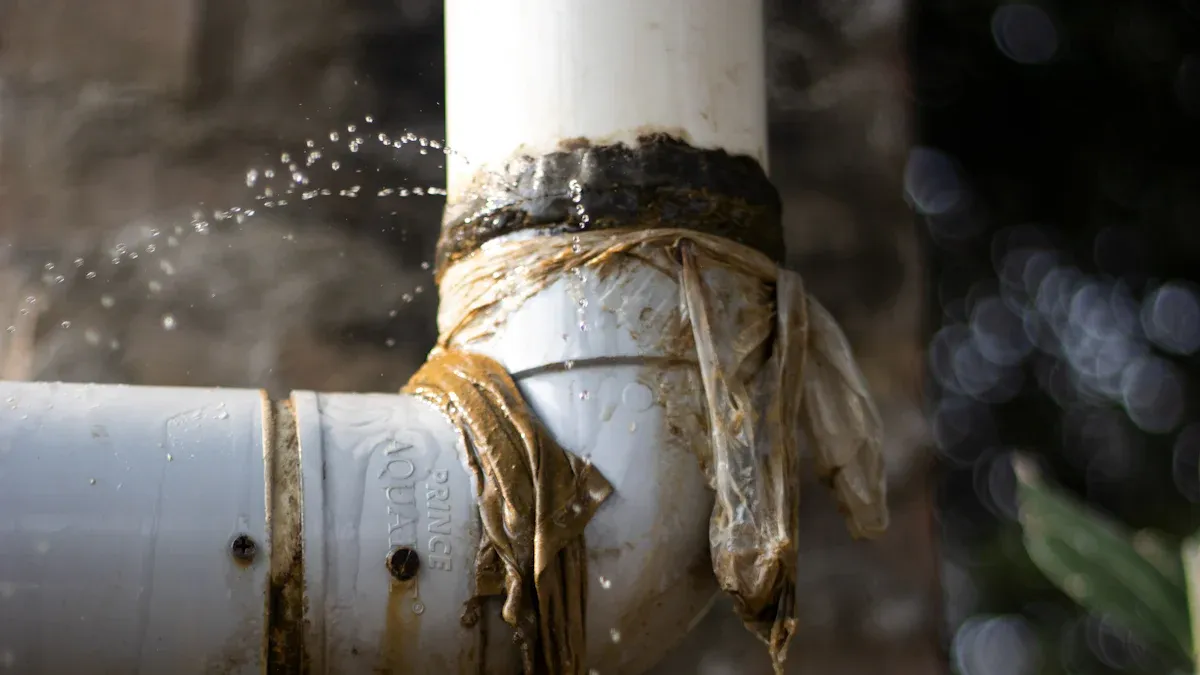
Traditional metal fittings often show limitations in diverse applications. In agricultural irrigation systems, for instance, these fittings are susceptible to corrosion. This leads to leaks, water contamination, and increased maintenance costs. Metal fittings are also heavier and more expensive. Copper can corrode in acidic water, and galvanized pipes rust internally, reducing flow. Steel is vulnerable to rust unless coated. Irrigation systems are exposed to harsh outdoor conditions, including UV radiation and extreme temperature changes. Brittle materials like PVC are prone to shattering upon impact from agricultural machinery. This vulnerability results in downtime, water loss, and frequent repairs.
Unlocking the Advantages: Why PP Compression Fittings Lead the Way
Unmatched Durability and Corrosion Resistance of PP Compression Fittings
Polypropylene (PP) offers exceptional material properties. These properties make these fittings highly durable. They resist degradation from environmental factors. These fittings can last 50 years or more. This includes outdoor applications when UV-stabilized. They show high resistance to corrosion and chemicals. Traditional metal fittings often rust and corrode over time. This inherent resistance greatly extends their lifespan in challenging environments. It makes them a reliable choice for long-term use in plumbing and irrigation systems.
PP Compression Fittings also demonstrate exceptional resistance to a wide array of chemicals. This makes them ideal for corrosive environments. They are suitable for industrial chemical processing plants. These plants often have substances like acids and solvents. This superior resistance ensures secure connections in demanding applications.
| Feature | PP Fittings | Other Materials (e.g., PVC) |
|---|---|---|
| Chemical Resistance | Excellent, especially against acids and solvents | Good, but vulnerable to certain chemicals |
Significant Long-Term Cost Savings with PP Compression Fittings
The durability of these fittings translates into significant long-term cost savings. Their resistance to corrosion and chemical degradation means fewer repairs. Distributors and end-users experience reduced maintenance needs. This lowers operational expenses over the system’s lifetime. The extended lifespan also minimizes the need for frequent replacements. This saves on material costs and labor. Furthermore, the smooth interior surface of polypropylene reduces friction. This can lead to better flow rates and potentially lower pumping energy costs in fluid transfer systems.
Simplified Installation and Reduced Labor for PP Compression Fittings
Installing PP Compression Fittings is remarkably simple. They do not require specialized tools. Installers do not need welding or threading equipment. This simplifies the installation process. It also significantly reduces labor time. Workers can assemble connections quickly and efficiently. This leads to lower labor costs for projects. The ease of installation also minimizes potential errors. This ensures a secure and leak-free system from the start. Their design allows for quick assembly and disassembly. This provides flexibility for system modifications or maintenance.
Versatility of PP Compression Fittings Across Industries
PP Compression Fittings demonstrate remarkable versatility. They serve a wide array of industries. Their adaptability makes them a preferred choice for many applications.
These fittings are commonly used in:
- Agricultural systems
- Drinking water supply
- Residential and commercial plumbing networks
- Irrigation systems for gardens, parks, and agricultural fields
- Swimming pool plumbing and filtration systems
- Industrial setups requiring chemical-resistant connections
They also find extensive use in the plumbing industry for connecting water supply pipes and drainage systems. The irrigation industry relies on them for connecting pipes that deliver water to crops and plants. The manufacturing industry uses them for transporting chemicals and other materials through pipelines. Water supply and gas pipelines also benefit from their robust design.
PP Compression Fittings offer specific performance parameters. These parameters ensure their suitability across diverse conditions.
Plastic insert fittings, including those made from polypropylene, are designed for cold water applications such as irrigation, well service, and potable water. For operating temperatures exceeding 73.4°F (23°C) or pressures above the stated maximum PSI, it is strongly recommended to use metal insert fittings instead.
In systems using these fittings, the poly pipe often acts as the limiting factor. Therefore, verifying the maximum pressure and temperature ratings of the poly pipe with its manufacturer is crucial. Pressure ratings are a critical aspect for PP fittings. They indicate the maximum pressure a fitting can endure under various conditions, especially when used with HDPE pipes. These ratings, typically expressed in psi, are influenced by both temperature and the specific application. Temperature is a primary factor affecting the pressure ratings of PP pipe fittings for HDPE pipes. Generally, as the temperature rises, the pressure rating tends to decrease. Despite this, PP Compression Fittings are known for their wide temperature tolerance. This makes them suitable for both hot and cold water systems. They also typically possess a high-pressure rating. This ensures reliable performance in demanding environments.
Environmental Sustainability of PP Compression Fittings
PP Compression Fittings contribute to environmental sustainability. They offer eco-friendly attributes throughout their lifecycle. This aligns with global efforts towards greener infrastructure.
For plastic waste, four primary methods of end-of-life management are utilized:
- Reuse
- Recycling
- Landfilling
- Incineration (without energy recovery)
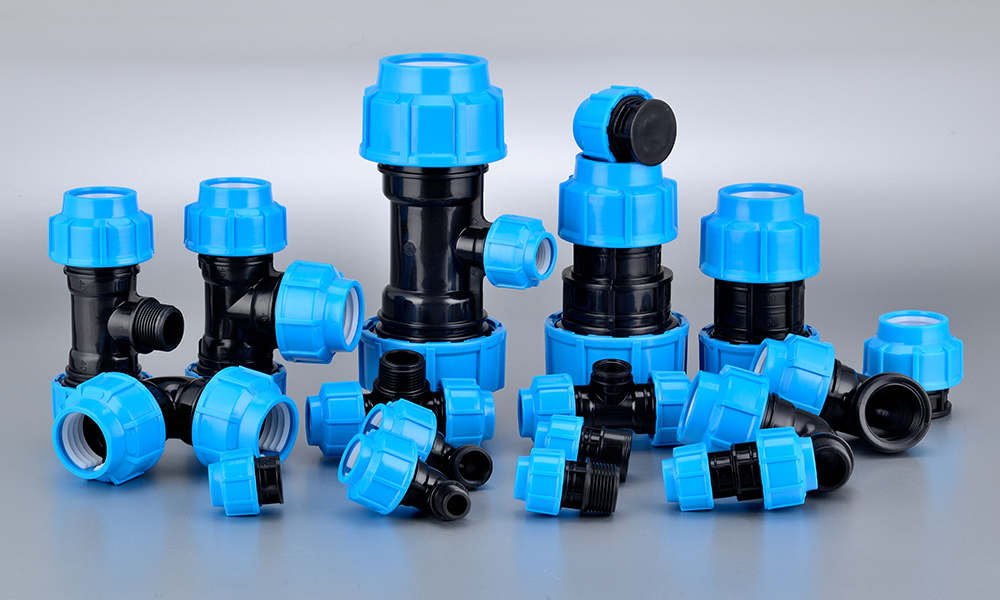
Polypropylene is a recyclable material. This aligns with environmental sustainability goals. PP Compression Fittings contribute to eco-friendly practices. They can be recycled at the end of their life cycle. This reduces the environmental impact of plumbing and piping projects. These fittings are primarily made from polypropylene, a thermoplastic polymer. The choice of this material significantly influences environmental impact. Brands like IFAN prioritize high-quality polypropylene. This material is more easily recyclable. It minimizes impurities in manufacturing. This simplifies material reclamation and reuse. Conversely, some brands may use polypropylene with higher levels of additives or fillers. This can complicate recycling efforts. It can lead to fittings ending up in landfills.
Real-World Impact: How Distributors Thrive with PP Compression Fittings
Increased Customer Satisfaction and Retention with PP Compression Fittings
Distributors experience a significant boost in customer satisfaction when they offer high-quality PP Compression Fittings. These fittings provide reliable, leak-free connections. This reliability reduces callbacks and costly repairs for end-users. Customers appreciate products that perform consistently and require minimal maintenance. The ease of installation also contributes to positive experiences for contractors and installers. They can complete projects faster and with less effort. This efficiency translates into higher job satisfaction for them. Satisfied customers are more likely to return for future purchases. They also recommend the distributor to others. This creates a strong foundation for long-term customer relationships and steady business growth. Distributors build a reputation for providing superior solutions.
Expanded Market Opportunities for PP Compression Fittings
The adoption of PP Compression Fittings opens new and lucrative market opportunities for distributors. Their versatility allows entry into diverse sectors. These sectors include agricultural irrigation, residential plumbing, and industrial fluid transfer. The growing demand for sustainable and corrosion-resistant solutions further fuels this expansion. Distributors can target projects seeking green building certifications. They can also serve regions with aggressive soil or water conditions. The global reach of manufacturers like Donsen, with certifications like CE, NSF, and WRAS, provides distributors with a competitive edge. This allows them to confidently supply products meeting international standards. Distributors can offer a comprehensive product line. This attracts a broader customer base and diversifies revenue streams.
Streamlined Inventory and Logistics for PP Compression Fittings
Distributors benefit from streamlined inventory and logistics when stocking PP Compression Fittings. The standardized design of these fittings often means fewer unique SKUs are necessary. This simplifies inventory management. It reduces the complexity of ordering and storage. Their lightweight nature also lowers transportation costs. It makes handling easier in warehouses and on job sites. Distributors can optimize their stock levels. This minimizes carrying costs and reduces the risk of obsolescence. The robust supply chain for polypropylene products ensures consistent availability. This helps distributors meet customer demand without significant delays. Efficient logistics contribute to faster order fulfillment. This enhances overall operational efficiency and profitability for the distributor.
Enhanced Competitive Edge with PP Compression Fittings
Distributors gain a significant competitive edge by offering these advanced fittings. They differentiate themselves from competitors still relying on outdated solutions. This strategic move positions them as innovators in the fluid management sector. Customers increasingly seek modern, efficient, and reliable products. Distributors who provide these solutions meet evolving market demands directly. This proactive approach strengthens their market position.
Offering these fittings allows distributors to:
- Attract New Clients: Businesses and contractors look for suppliers who offer cutting-edge technology. These fittings appeal to clients focused on long-term value and performance.
- Build a Reputation for Innovation: Distributors become known for providing superior, future-proof products. This enhances their brand image and credibility within the industry.
- Outperform Competitors: Competitors offering traditional, less efficient fittings struggle to match the benefits. Distributors with these advanced products can secure more projects.
- Meet Sustainability Goals: Many clients prioritize environmentally friendly options. These fittings align with green building standards and sustainable practices. This attracts a growing segment of the market.
- Provide Comprehensive Solutions: Distributors can offer a full range of products that address various application needs. This makes them a one-stop shop for diverse plumbing and irrigation projects.
This competitive advantage translates into increased sales and market share. Distributors become preferred partners for projects requiring high-quality, cost-effective, and easy-to-install solutions. They secure their place as leaders in a rapidly changing industry.
The Future is Now: The Growth of PP Compression Fittings
Projected Market Growth for PP Compression Fittings
The market for PP Compression Fittings shows robust growth. Industry analysts predict significant expansion in the coming years. This growth stems from increasing infrastructure development globally. Rising demand for efficient and sustainable fluid management systems also drives this trend. Developing nations, in particular, adopt these fittings for new construction and agricultural projects. Their cost-effectiveness and ease of installation make them a preferred choice. The shift away from traditional materials further fuels this market expansion. Distributors who embrace these products position themselves for future success.
Innovation and Support for Distributors of PP Compression Fittings
Innovation continuously enhances PP Compression Fittings. Manufacturers focus on performance, safety, and sustainability. These advancements ensure long-term operational efficiency. Emerging trends include:
- Integration of smart features, such as leak detection sensors, to enhance safety and reduce maintenance costs.
- Advancements in manufacturing techniques, including automation and 3D printing, to improve precision and reduce lead times.
- Development of eco-friendly formulations and recyclable fittings, driven by regulatory pressures around environmental sustainability.
Manufacturers also provide strong support for distributors. This support ensures successful product adoption and customer satisfaction. For example, SUNPLAST offers comprehensive technical support for PP compression fittings. Their well-trained staff addresses customer needs. They provide technical assistance to all sectors when required. This commitment to innovation and support helps distributors confidently offer these advanced solutions.
Global distributors widely adopted PP Compression Fittings in 2025. This signifies a clear shift towards a superior, future-proof solution. Distributors address critical industry challenges by embracing these products. They drive profitability and position themselves as leaders in fluid management. This strategic move ensures long-term success in a dynamic market.
FAQ
What are PP Compression Fittings?
PP Compression Fittings connect pipes without welding or threading. They use polypropylene, a durable plastic. These fittings offer a secure, leak-free connection. They are easy to install and resist corrosion.
Why do distributors prefer PP Compression Fittings over traditional options?
Distributors prefer them for their cost-effectiveness and durability. They resist corrosion and chemicals, reducing maintenance. Their simple installation saves labor and time. This makes them a reliable, long-term solution.
Are PP Compression Fittings environmentally friendly?
Yes, they contribute to environmental sustainability. Manufacturers make them from recyclable polypropylene. This reduces waste and aligns with green building standards. Their long lifespan also minimizes replacement needs.
What industries benefit most from PP Compression Fittings?
Many industries benefit. These include agricultural irrigation, residential plumbing, and industrial fluid transfer. Their versatility and resistance to harsh conditions make them ideal for diverse applications.