Introduction
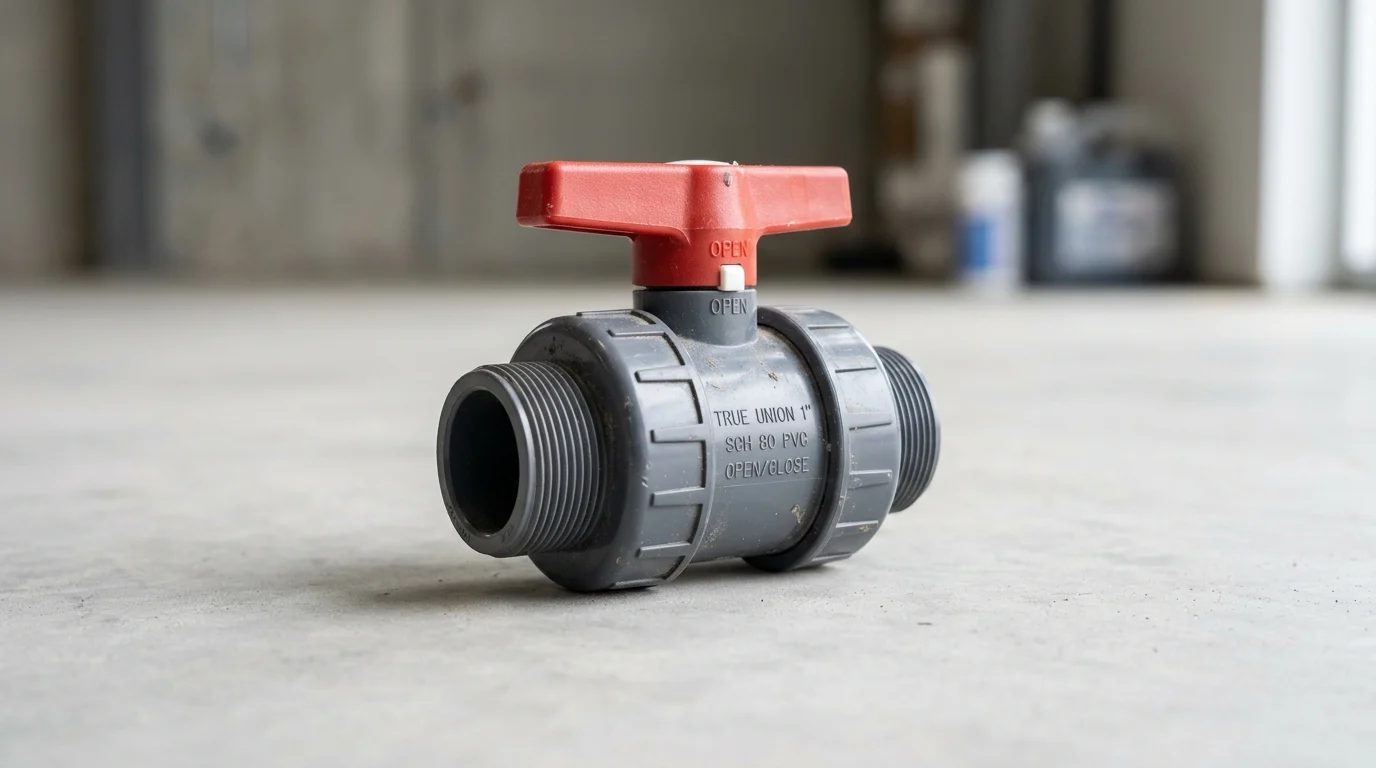
Choosing between PPR and PVC ball valves depends less on brand preference and more on operating conditions. While both are lightweight, corrosion-resistant, and widely used in plastic piping systems, they differ significantly in temperature tolerance, pressure performance, impact resistance, and installation methods. This article explains where PVC ball valves perform best, how they compare with PPR in everyday and industrial applications, and which material is more practical for cold-water, chemical, or cost-sensitive systems. By the end, you’ll have a clearer basis for selecting the right valve for reliability, safety, and long-term maintenance.
How PPR and PVC Ball Valves Compare
Polymer-based fluid control systems rely heavily on the distinct material properties of the valves integrated into the pipeline network. When evaluating thermoplastic options, engineers frequently weigh the operational merits of Polypropylene Random Copolymer (PPR) against Polyvinyl Chloride (PVC). Both materials offer exceptional corrosion resistance and lightweight construction compared to legacy metallic valves, yet their divergent molecular structures dictate entirely different performance envelopes.
Understanding the thermodynamic and mechanical boundaries of each polymer is essential for specifying valves that ensure system integrity, optimize flow dynamics, and prevent catastrophic pipeline failures.
Key Differences in Temperature, Pressure, and Durability
The most critical divergence between PPR and PVC lies in their thermal thresholds and pressure-handling capabilities. PPR ball valves are engineered primarily for high-temperature resilience, maintaining structural stability in continuous operating environments up to 95°C (203°F). They routinely carry pressure ratings of PN20 to PN25, making them highly suitable for pressurized hot water distribution. The elasticity of the polypropylene matrix also affords PPR superior impact resistance, particularly in colder ambient conditions where rigid plastics might become brittle.
Conversely, standard PVC valves are strictly limited to cold or ambient fluid applications. The structural integrity of unplasticized PVC rapidly degrades as fluid temperatures exceed 60°C (140°F), risking deformation and seal failure under load. However, within its optimal temperature range, PVC offers exceptional rigidity and high tensile strength. Standard PVC valves typically operate within PN10 to PN16 pressure bands. From a chemical durability standpoint, PVC demonstrates superior resistance to aggressive acids, alkalis, and halogens, whereas PPR is optimized for potable water purity and resistance to scaling.
Comparison Table for PPR vs PVC Ball Valves
To facilitate rapid specification, the following matrix outlines the primary engineering parameters that differentiate these two thermoplastic valve types.
| Specification Parameter | PPR Ball Valve | PVC Ball Valve |
|---|---|---|
| Maximum Operating Temperature | 95°C (203°F) | 60°C (140°F) |
| Standard Pressure Rating | PN20 – PN25 | PN10 – PN16 |
| Connection Methodology | Thermal Fusion (Socket Welding) | Solvent Cement (Chemical Bonding) / Threaded |
| Chemical Resistance Profile | High scaling resistance; sensitive to strong oxidants | Excellent acid/alkali resistance; vulnerable to solvents |
| Primary Application Domain | Hot and cold potable water, HVAC heating | Cold water distribution, chemical processing, irrigation |
The connection methodology highlighted in the table fundamentally alters the installation timeline and joint integrity. PPR relies on heat fusion, melting the valve socket and pipe into a homogenous, seamless structure. PVC utilizes chemical solvent cement, which essentially melts the surface layer of the polymer to create a chemical weld, requiring strict adherence to curing times before pressure testing.
How to Choose the Right Valve
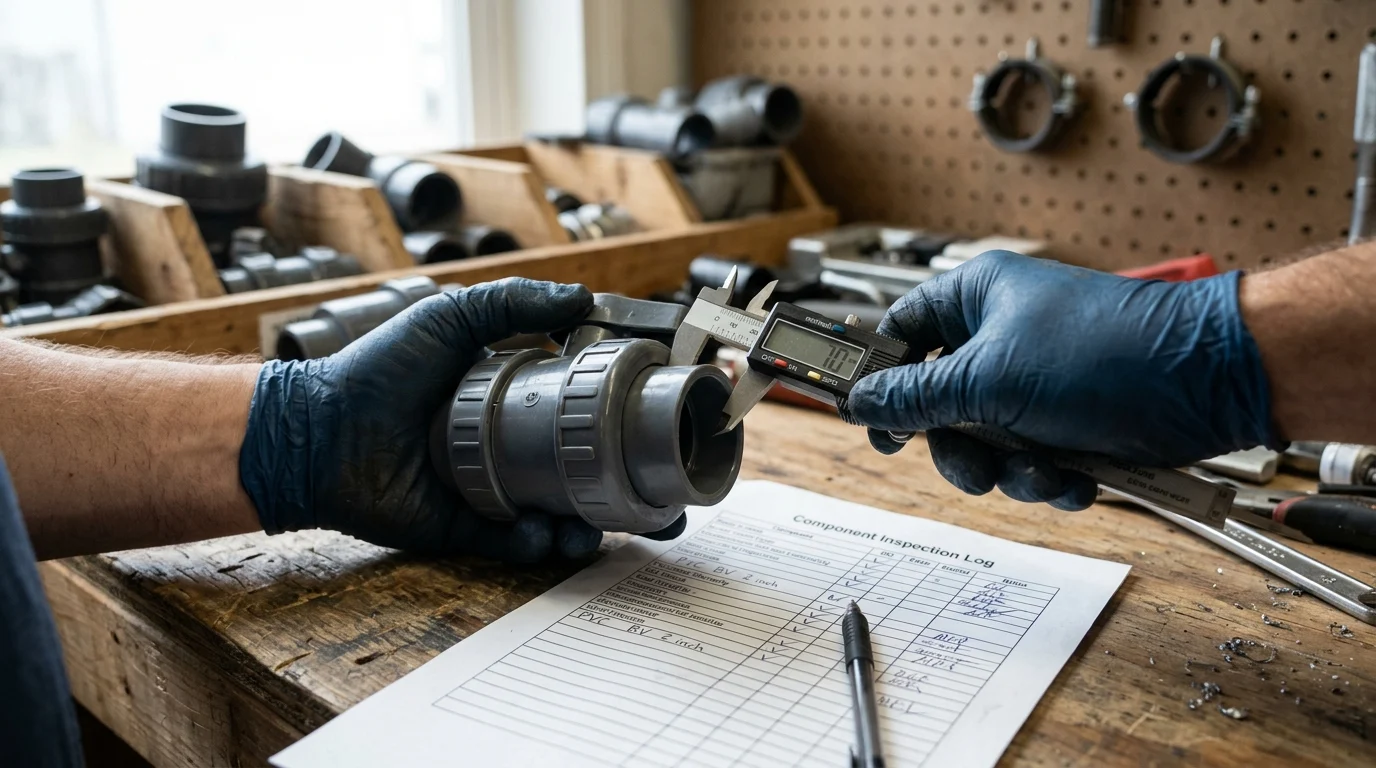
Specifying the optimal valve requires a holistic assessment of the fluid network, extending beyond basic material properties to encompass installation logistics, media characteristics, and long-term economic impacts. Selecting between a PPR valve and a PVC ball valve demands a rigorous evaluation of the project’s operational parameters to prevent premature degradation and ensure compliance with municipal or industrial standards.
Application Fit, Media, and Project Conditions
The nature of the conveyed media dictates the primary material selection. PPR ball valves dominate residential and commercial potable water networks, particularly in boiler-fed hot water systems and radiant heating loops. The non-toxic nature of PPR, combined with its inability to impart odors or tastes to the water, ensures strict compliance with international drinking water standards. Furthermore, the smooth internal bore of PPR valves minimizes friction losses, accommodating flow velocities up to 3.0 m/s without generating excessive acoustic noise or cavitation.
In contrast, PVC ball valves are the industry standard for industrial cold-water applications, wastewater management, and agricultural irrigation. Their high resistance to corrosive chemicals makes them indispensable in chemical dosing systems and water treatment plants utilizing aggressive chlorine or ozone purification methods. When specifying PVC for larger industrial networks, engineers typically work within diameter ranges of 20mm to 160mm, ensuring the system design accounts for fluid velocities capped around 1.5 m/s to mitigate the risk of water hammer, which can fracture the more rigid PVC matrix. It is also important to note that standard PVC requires UV-stabilizing coatings or shielding if deployed in direct sunlight, as ultraviolet radiation can cause surface embrittlement over time.
Lifecycle Cost and Decision Criteria
Lifecycle economics play a pivotal role in the procurement decision. From a raw material and unit cost perspective, PVC is highly economical, often pricing 20% to 30% lower than equivalent PPR components. This cost advantage scales significantly in massive infrastructure projects, such as agricultural irrigation networks, where thousands of valves are deployed. Additionally, PVC installation requires minimal capital equipment—relying entirely on inexpensive primers and solvent cements—though it demands up to 24 hours of curing time to achieve its full PN16 pressure rating.
PPR systems necessitate a higher initial investment, both in component cost and the specialized 260°C thermofusion welding equipment required for installation. The welding process itself takes only seconds per joint, allowing for rapid assembly once the equipment reaches operational temperature. This upfront expenditure is frequently offset by the valve’s extended operational lifecycle. A properly fused PPR joint eliminates potential leak paths entirely, offering a zero-maintenance design life that routinely exceeds 50 years under standard operating pressures. Consequently, for inaccessible plumbing arrays within concrete walls or mission-critical HVAC infrastructure, the long-term reliability of PPR often yields a lower total cost of ownership despite the steeper initial capital requirement.
Key Takeaways
- The most important conclusions and rationale for PVC ball valve
- Specs, compliance, and risk checks worth validating before you commit
- Practical next steps and caveats readers can apply immediately
Frequently Asked Questions
When is a PVC ball valve better than a PPR ball valve?
Choose PVC for cold or ambient-temperature systems, chemical lines, and irrigation. It performs best below 60°C and usually offers good acid and alkali resistance.
Can a PVC ball valve be used for hot water?
No. Standard PVC ball valves are generally limited to about 60°C. For hot water or heating loops, PPR is the safer choice.
Which valve is easier to install, PPR or PVC?
PVC is often easier for quick installation because it uses solvent cement or threads. PPR needs heat fusion equipment and trained installation.
Is a PVC ball valve suitable for chemical applications?
Yes, often for many acids and alkalis. Always verify the exact chemical, concentration, and temperature, because PVC can be vulnerable to some solvents.
How do I choose the right PVC ball valve pressure rating?
Match the valve’s PN rating to your system pressure, with safety margin included. Standard PVC ball valves commonly fall around PN10 to PN16 for cold-service use.