What Plastic PVC BALL VALVES Should You USE? Economy & Industrial

Selecting the right PVC ball valves is crucial for ensuring optimal performance in various applications. Economy PVC ball valves typically offer lower costs and simpler designs, while industrial PVC ball valves provide enhanced durability and maintenance features. Key factors influencing the choice include application requirements, pressure ratings, and connection types.
| Feature | True Union Ball Valves | Single Union Ball Valves |
|---|---|---|
| Maintenance | Easier maintenance with full removal capability | Limited access, often requires cutting pipes |
| Cost | Higher initial cost, but saves on long-term maintenance | Lower upfront cost, economical for simple systems |
| Applications | Suitable for industrial and critical applications | Best for residential and light commercial use |
Key Takeaways
- Choose the right PVC ball valve based on your application needs. Consider factors like pressure ratings, connection types, and temperature compatibility to ensure optimal performance.
- Economy PVC ball valves are cost-effective and ideal for residential use. They are lightweight, corrosion-resistant, and require less maintenance, making them perfect for plumbing and irrigation.
- Industrial PVC ball valves offer enhanced durability and are suitable for harsh environments. Their design minimizes leakage and ensures reliable operation in various industrial applications.
What Are PVC BALL VALVES?
PVC ball valves are essential components in fluid control systems. They consist of a spherical ball that regulates the flow of liquids or gases through a pipe. When the ball rotates 90 degrees, it either opens or closes the valve, allowing for quick on/off control. This design makes PVC ball valves ideal for various applications, from residential plumbing to industrial processes.
The construction of PVC ball valves includes several key components. The housing, or body, encases the internal parts and withstands external stresses. Typically made from PVC, it is lightweight, non-conductive, and resistant to chemicals. The ball itself controls fluid flow and requires a smooth, durable surface to function effectively. Additionally, the seal provides a leak-tight closure, ensuring that the valve operates without any fluid loss. The seal must resist wear, chemical attack, and temperature variations.
PVC ball valves offer several functions that enhance their utility. They can regulate flow rates through V-port designs, which adjust the ball’s rotation angle. These valves also provide bidirectional sealing, making them suitable for applications requiring isolation. Furthermore, advanced sealing systems ensure minimal leakage, meeting industry standards for pharmaceuticals and chemicals.
Advantages of PVC BALL VALVES
PVC ball valves offer several advantages that make them a preferred choice in various applications. Here are some key benefits:
- Cost-Effective: PVC is generally less expensive than brass, making it an economical option for projects that do not require the robust characteristics of metal valves.
- Corrosion Resistance: PVC’s inherent resistance to corrosion allows it to handle chemicals, acids, and other aggressive fluids effectively. This feature is particularly beneficial in chemical processing, water treatment, and irrigation systems.
- Lightweight: Compared to brass, PVC valves are significantly lighter. This characteristic simplifies installation, especially in systems where weight is a critical factor.
- Low Maintenance: Due to their corrosion resistance, PVC ball valves often require less maintenance than brass counterparts. This quality can lead to reduced operational costs in systems with low to medium flow.
The table below illustrates the chemical resistance of various valve types, highlighting the suitability of PVC for different applications:
| Valve Type | Chemical Resistance | Notes |
|---|---|---|
| PVC | Good for many common chemicals, but degrades with solvents, aromatics, and strong caustics | Suitable for a wide range of applications, but limited against aggressive chemicals |
| CPVC | Superior chemical durability, resistant to a broader range of aggressive chemicals | Preferred for corrosive fluids due to enhanced molecular structure |
| UPVC | Excellent resistance to corrosion and chemical attacks, particularly acids and alkalis | Stronger and more durable than PVC, ideal for aggressive fluids |
These advantages make PVC ball valves a reliable choice for both economy and industrial applications.
Common Types of PVC BALL VALVES
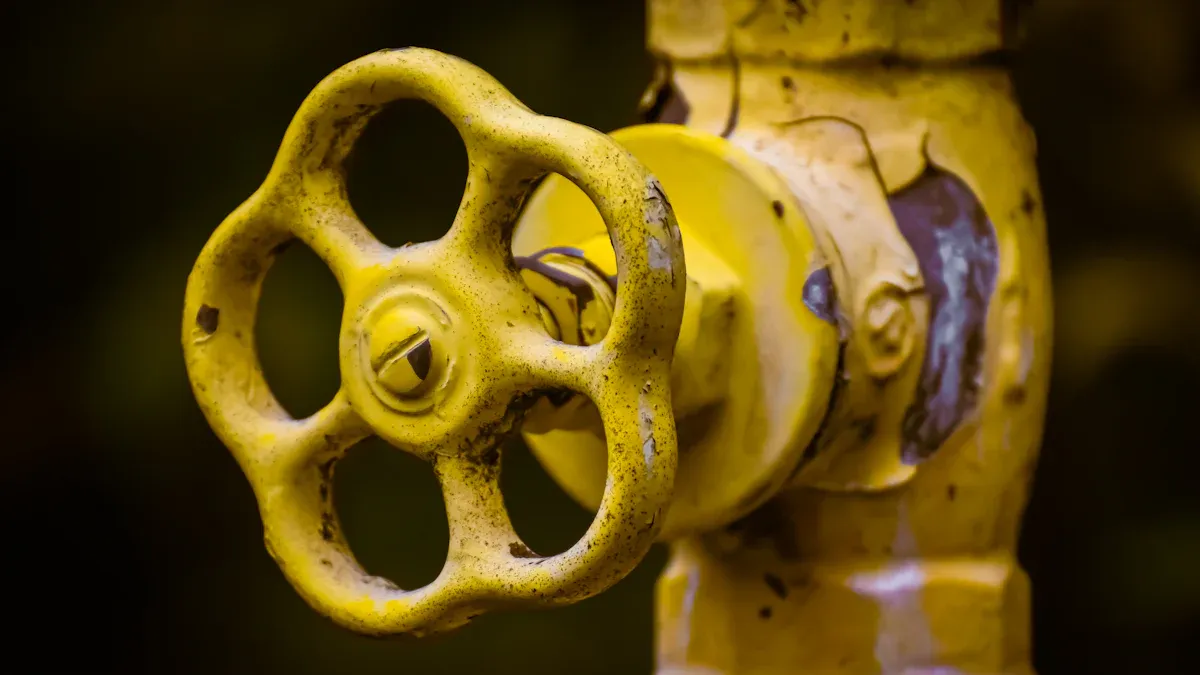
PVC ball valves come in various designs, each tailored for specific applications and performance requirements. Understanding the differences among these types helps users select the most suitable valve for their needs.
Standard PVC BALL VALVES
Standard PVC ball valves feature a lightweight and cost-effective design. They provide excellent corrosion resistance and allow for quick actuation with a simple 90° turn for on/off control. These valves typically have a full-port design, which minimizes pressure drop and maximizes flow efficiency.
Common applications for standard PVC ball valves include:
- Irrigation
- Swimming pools
- Aquaculture
- General plumbing
The versatility of these valves makes them ideal for both residential and light commercial use.
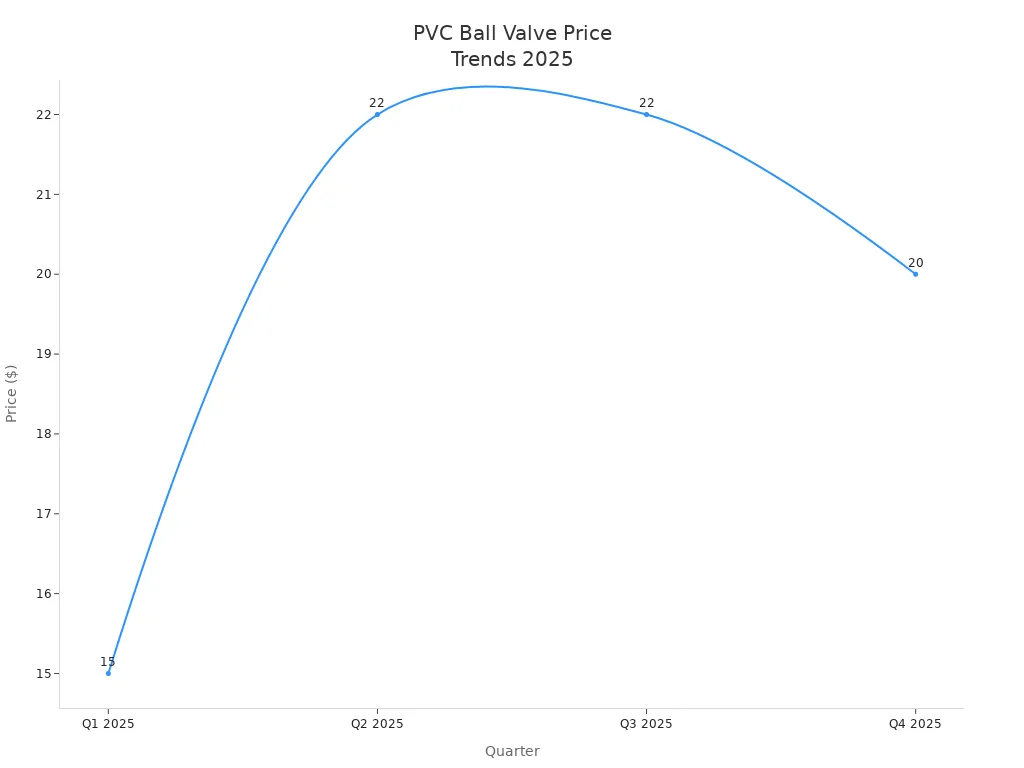
| Quarter | Price ($) |
|---|---|
| Q1 2025 | 15 |
| Q2 2025 | 22 |
| Q3 2025 | 22 |
| Q4 2025 | 20 |
Full Port PVC BALL VALVES
Full port PVC ball valves offer high flow capacity with minimal restriction. Their design features an unobstructed flow path, resulting in a low pressure drop. This characteristic makes them particularly suitable for applications requiring maximum flow efficiency.
| Valve Type | Flow Capacity | Pressure Drop |
|---|---|---|
| Full Port | High flow capacity with minimal restriction | Low pressure drop due to unobstructed flow |
| Reduced Port | Reduced flow capacity due to restriction | Higher pressure drop due to the smaller opening |
These valves excel in industrial settings where fluid dynamics play a crucial role in system performance.
Reduced Port PVC BALL VALVES
Reduced port PVC ball valves are designed with a smaller bore size, which results in a more significant pressure drop compared to full port models. While they are cost-effective for low-flow systems, users should consider their limitations.
| Advantages | Disadvantages |
|---|---|
| Cost-effective for low-flow systems | Higher pressure drop compared to full-port valves |
| Suitable for precise flow control | May require a more powerful pump in some applications |
| Ideal for space-constrained setups | Not suitable for high-flow applications |
The constriction from the smaller bore increases fluid velocity, leading to a pressure differential. This pressure drop can result in higher energy consumption, as more power is required to pump fluid through the valve.
Understanding these common types of PVC ball valves allows users to make informed decisions based on their specific application requirements.
How to Choose the Right PVC BALL VALVES
Selecting the appropriate PVC ball valves involves careful consideration of several factors. Understanding size, pressure ratings, and connection types ensures optimal performance in various applications.
Size Considerations
Choosing the right size for PVC ball valves is critical for maintaining system efficiency. Here are key factors to consider:
- Match Pipe Diameter: The valve size should align with the pipe diameter to prevent turbulent flow and pressure loss.
- Pressure Requirements: Verify that the valve can handle the system’s pressure demands.
- Temperature Rating: Extreme temperatures can affect valve performance, so understanding the operating temperature is essential.
- Material Compatibility: Ensure compatibility with different PVC-U products to avoid issues.
- Installation: Proper installation is vital to prevent future problems.
Understanding the operating temperature, pressure, and flow rate of the application is crucial. These variables help in selecting the correct valve size, avoiding operational issues.
The standard size range for PVC ball valves available in the market typically spans from 1/4 inch to 8 inches or larger.
| Size Range |
|---|
| 1/4 inch to 8 inches or larger |
Pressure Rating
Pressure ratings determine the maximum pressure a valve can withstand without failure. For industrial-grade PVC ball valves, the typical maximum pressure rating is 150 PSI at 73°F (23°C). This rating is suitable for various applications, including irrigation and residential plumbing. However, it is important to note that the pressure rating decreases as the temperature of the fluid increases.
Connection Types
The type of connection used for PVC ball valves significantly impacts installation and long-term reliability. Here are the most common connection types:
| Connection Type | Applications | Pros | Cons |
|---|---|---|---|
| Threaded Connections | DN≤50, PN≤16 | Cost-effective, easy installation, compact design | Pressure limitations, maintenance challenges, size constraints |
| Clamp/Sanitary Connections | Hygienic industries (Pharmaceutical/Food) | Facilitates easy cleaning, essential for hygiene standards | N/A |
The choice of connection type can also affect the long-term reliability of the valve. For instance, solvent-weld connections can lead to leaks if improper cement is used or if the pipe and fitting are not cleaned properly. Threaded connections may experience leaks due to under-tightening or over-tightening, which can cause cracks.
By considering these factors, users can select the right PVC ball valves that meet their specific application needs.
Applications in Economy Settings
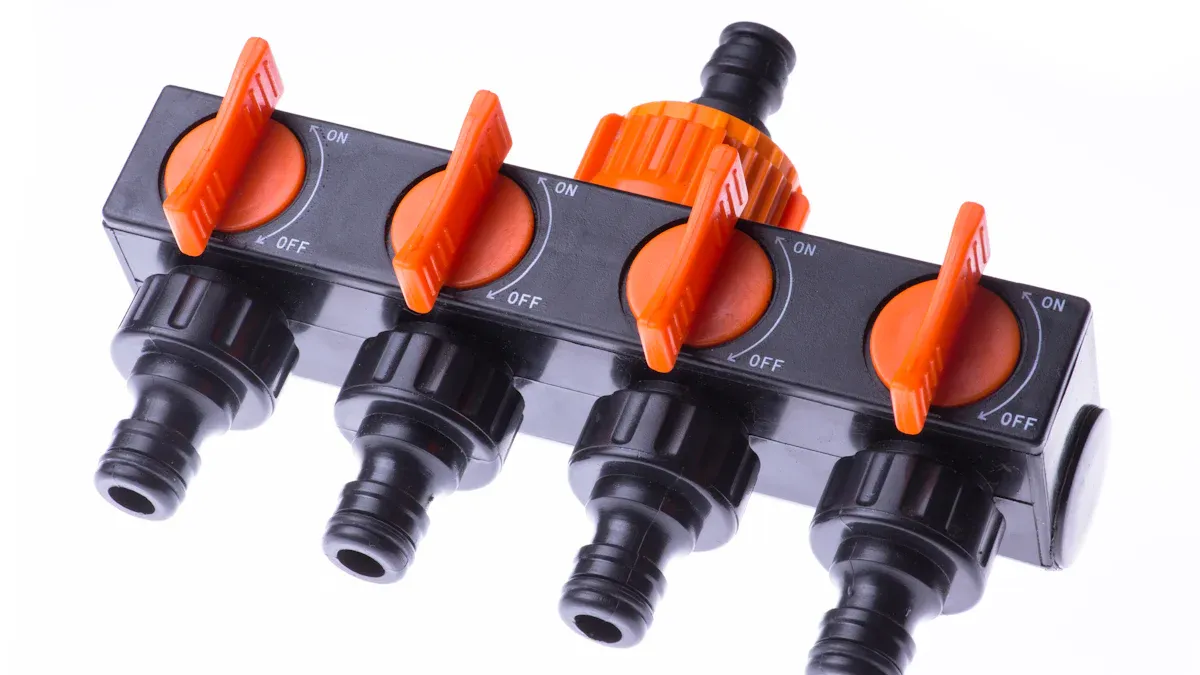
Economy PVC ball valves find extensive use in residential and light commercial applications. Their affordability and reliability make them ideal for various settings. Common applications include:
- Standard Plumbing Applications: These valves control water flow in kitchens, bathrooms, and laundry areas. They are essential for building water supply systems and HVAC installations.
- Residential Pool Systems: PVC ball valves manage water flow in pool filtration systems, ensuring efficient operation.
- Home Irrigation Systems: They regulate water distribution in gardens and lawns, promoting healthy plant growth.
- Workshop Air Lines: In workshops, these valves control air flow for pneumatic tools, enhancing productivity.
- Small Commercial HVAC Systems: Economy PVC ball valves are suitable for light commercial heating and cooling systems.
Economy settings often require valves that can handle specific flow rates and pressures. The following table outlines typical specifications for PVC ball valves in these environments:
| Specification Type | Value |
|---|---|
| Max. Pressure | 232 PSIG |
| Max. Pressure (up to 2″) | 150 psi |
| Max. Pressure (3″ & 4″) | 225 psi |
| Flow Ranges | 1-600 GPM |
| Flow Ranges (smallest) | 1 to 15 gpm |
| Flow Ranges (largest) | 8 to 120 gpm |
These specifications ensure that economy PVC ball valves meet the demands of various applications while maintaining efficiency and performance.
Applications in Industrial Settings
PVC ball valves play a vital role in numerous industrial applications due to their versatility and reliability. These valves are commonly found in various sectors, each utilizing them for specific processes. The following table outlines key industrial sectors and their applications:
| Industrial Sector | Applications |
|---|---|
| Process | Fluid control systems |
| Petrochemical | Chemical processing |
| Sanitary | Water treatment, food and beverage production |
| Domestic Plumbing | General plumbing applications |
| Irrigation Systems | Water management in agriculture |
| Aquariums | Water circulation and chemical management |
| Swimming Pools | Water control and chemical treatment |
Industries favor PVC ball valves for several reasons. They provide a positive seal, ensuring minimal leakage. Their resistance to corrosion and chemicals makes them suitable for harsh environments. Additionally, these valves are easy to maintain, which is crucial for minimizing downtime in industrial operations.
Performance requirements for PVC ball valves in industrial settings include:
| Performance Aspect | Description |
|---|---|
| Torque Performance | Affects ease of operation, system efficiency, and reliability; influenced by valve size, seal design, and lubrication. |
| Handle Design | Length and ergonomics impact user comfort and mechanical advantage; longer handles reduce required force. |
| Friction Minimization | Advanced manufacturing reduces friction, enhancing operational torque and valve lifespan. |
| Material Composition | Seals made from PTFE, EPDM, or FKM affect torque consistency; smoother surfaces reduce friction. |
| Environmental Factors | Fluid viscosity, temperature, and pressure influence torque behavior and operational efficiency. |
These performance aspects ensure that PVC ball valves meet the demanding requirements of industrial applications, providing reliable service across various processes.
Maintenance Tips for PVC BALL VALVES
Proper maintenance of PVC ball valves ensures their longevity and optimal performance. Regular checks and timely interventions can prevent costly failures. Here are some essential maintenance tips:
- Daily / Weekly Visual Checks: Inspect for leaks, corrosion, or damage. Ensure smooth movement of the actuator or handwheel.
- Monthly / Quarterly Tasks: Conduct detailed inspections, clean surfaces, check bolt torque, and lubricate the stem if necessary.
- Semi-Annual / Annual Overhaul: Perform a thorough teardown, inspect internal components, test seals, and lubricate fully. Adjust frequency based on system risk and service conditions.
Regular inspection is crucial. Check for corrosion, wear, and leaks to ensure smooth operation. Cleaning the valve and flushing the system, if necessary, helps maintain functionality. Lubrication is vital; apply grease to the stem and check for ball lubrication when applicable.
Additionally, inspect and replace worn seals and check valve seats. Ensure bolts are tightened and the stem is aligned properly. To prevent corrosion, use corrosion-resistant materials and apply anti-corrosion sprays as needed.
The table below outlines common causes of failure in PVC ball valves and their preventive measures:
| Cause of Failure | Description | Preventive Measures |
|---|---|---|
| Seal and O-Ring Wear | Wear over time leading to leaks and operational failures. | Regular inspection and replacement of seals; proper installation to avoid misalignment and over-torquing. |
| Stem Breakage or Stripping | Deformation or damage due to excessive force or incorrect installation. | Proper handling and torque application; regular inspection of the stem and packing material. |
| Ball Seizing or Sticking | Misalignment or wear causing the ball to stick. | Regular maintenance, including cleaning and lubrication; ensuring proper installation. |
| Handle Breakage | Cracking due to excessive force or material fatigue. | Use of appropriate lubricants; avoiding excessive force during operation. |
By following these maintenance tips, users can enhance the reliability and lifespan of PVC ball valves in various applications.
Selecting the right PVC ball valves requires careful consideration of several factors. Key points include:
- Temperature: PVC can degrade under certain conditions.
- Pressure: Affects valve suitability and performance.
- Media Compatibility: Ensures the valve handles specific fluids effectively.
Understanding these aspects helps users avoid common mistakes, such as ignoring fluid compatibility or selecting the wrong size. Always consider specific needs when choosing a valve to ensure optimal performance.
FAQ
What is the lifespan of PVC ball valves?
PVC ball valves typically last between 10 to 20 years, depending on usage and environmental conditions.
Can PVC ball valves be used for hot water applications?
PVC ball valves are not suitable for hot water applications above 140°F (60°C). Consider CPVC or other materials for higher temperatures.
How do I install a PVC ball valve?
To install, clean the pipe ends, apply solvent cement, and connect the valve. Ensure proper alignment for optimal performance.