What is PPR stainless steel fitting?
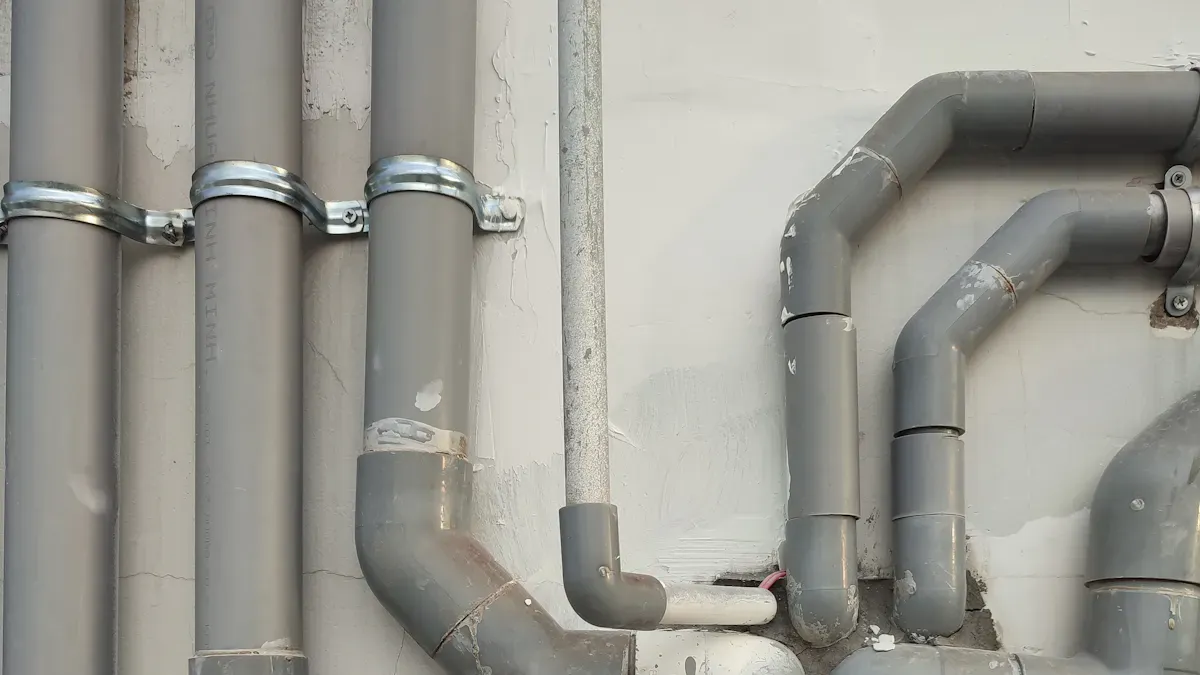
PPR stainless steel fittings represent a hybrid solution that merges the advantageous properties of polypropylene random copolymer and ppr stainless steel fitting. This combination enhances durability and corrosion resistance, making them ideal for various plumbing and industrial applications. The construction industry has notably increased its demand for ppr stainless steel fittings, driven by the need for efficient plumbing solutions in expanding residential and commercial projects.
Key Takeaways
- PPR stainless steel fittings combine the flexibility of polypropylene with the strength of stainless steel, offering enhanced durability and corrosion resistance for plumbing systems.
- These fittings require minimal maintenance and can last over 50 years, leading to significant cost savings on repairs and replacements.
- Installation of PPR stainless steel fittings is faster and easier than traditional methods, reducing labor costs and project timelines.
Definition of PPR stainless steel fitting
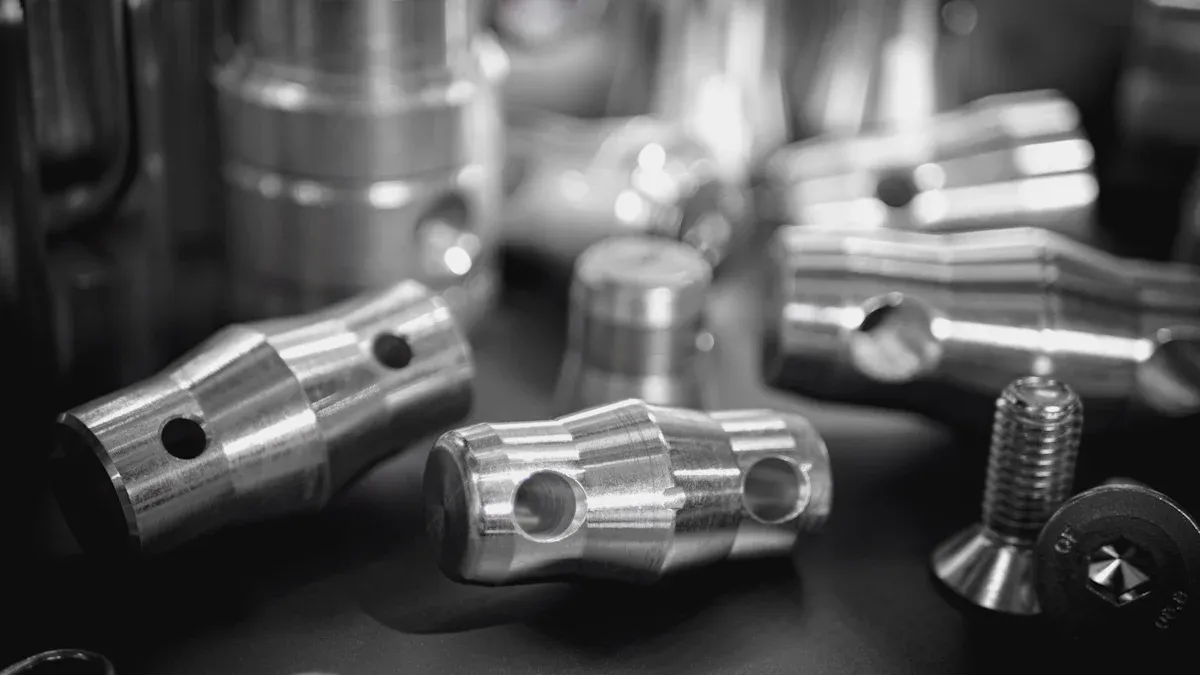
PPR stainless steel fittings consist of a unique combination of polypropylene random copolymer (PPR) and stainless steel. This hybrid design enhances the performance and longevity of plumbing systems. The PPR component provides flexibility and resistance to corrosion, while the stainless steel insert adds mechanical strength and durability.
Key Properties of Polypropylene Random Copolymer
The properties of PPR contribute significantly to the effectiveness of these fittings. The following table outlines the key features of polypropylene random copolymer:
| Key Feature | Description |
|---|---|
| Chemical Resistance | PPR is inert to most chemicals, acids, and salts commonly found in water supply systems. |
| Corrosion Resistance | Unlike metal fittings, PPR does not rust or corrode, ensuring long-term structural integrity. |
| UV Resistance (Indoor Use) | PPR fittings are stable under indoor lighting conditions, though not recommended for outdoor use. |
| High Temperature & Pressure Tolerance | Temperature Range: -20°C to +95°C (short-term up to 110°C). Pressure Rating: 10–25 bar. |
| Longevity | Lifespan of 50+ years with minimal maintenance. |
| Safety | Eliminates risks of metal leaching or scaling, ensuring clean water supply. |
| Reliability | Withstands thermal expansion/contraction without cracking or leaking. |
The stainless steel component enhances the performance of PPR fittings in several ways:
- Stainless steel provides exceptional resistance to corrosion, crucial for plumbing systems that transport fluids.
- The presence of chromium in stainless steel forms a passive oxide layer that protects against rust and pitting.
- This protective layer ensures that the fittings maintain their integrity even in humid or saline environments.
The dual-material construction of PPR stainless steel fittings not only improves durability but also reduces maintenance needs. These fittings resist wear, corrosion, and thermal expansion, requiring minimal upkeep compared to traditional systems. This results in significant cost savings over time due to reduced downtime and lower repair expenses.
Pressure and Temperature Ratings
PPR stainless steel fittings also exhibit specific pressure and temperature ratings, which are essential for their application in various systems. The following table summarizes these ratings:
| Fitting Size (mm) | Max Working Pressure (bar) | Max Temp (°C) |
|---|---|---|
| 20 | 20 | 70 |
| 25 | 16 | 70 |
| 32 | 12.5 | 70 |
| 40+ | 10–12 | 70 |
Benefits of PPR stainless steel fitting
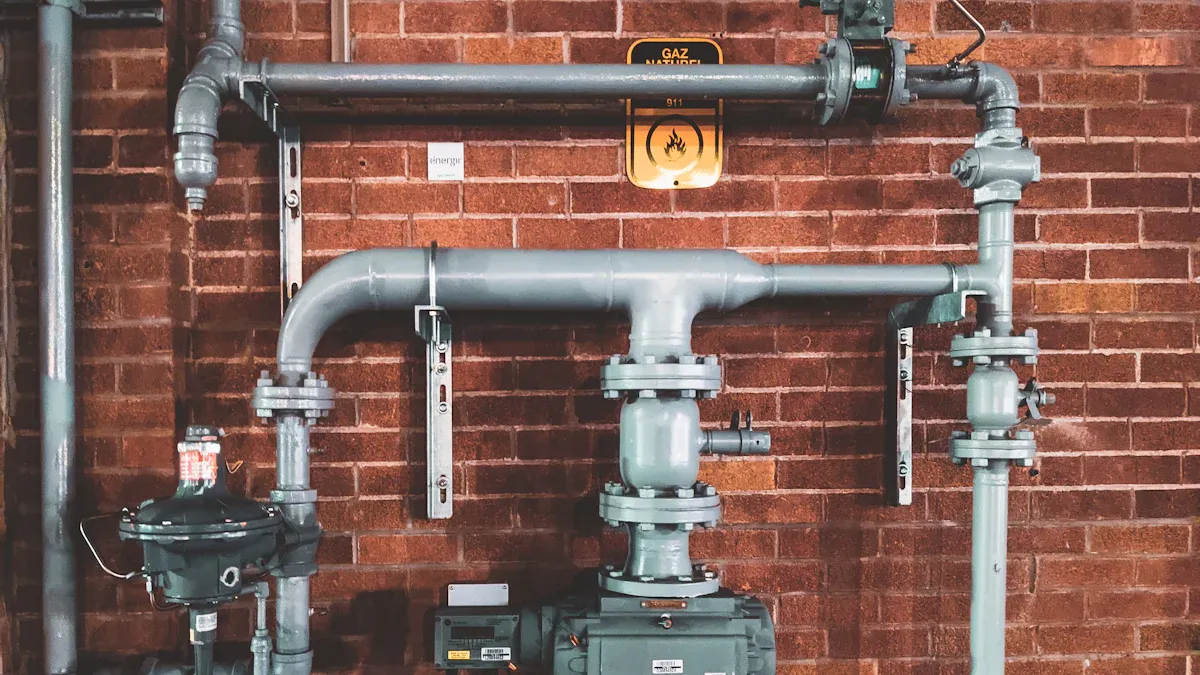
PPR stainless steel fittings offer numerous advantages that make them a preferred choice in plumbing and industrial applications. Their unique combination of materials results in several key benefits:
- Durability and Longevity: The hybrid construction of PPR and stainless steel ensures that these fittings withstand harsh conditions. They resist corrosion, rust, and scaling, which significantly extends their lifespan. This durability translates to fewer replacements and repairs over time.
- Energy Efficiency: PPR stainless steel fittings contribute to energy savings in water distribution systems. They minimize heat loss in hot water applications, retaining thermal energy effectively. The smooth internal surfaces reduce friction, leading to lower energy requirements for pumping water. Additionally, their corrosion resistance ensures stable energy consumption, avoiding performance degradation.
- Low Maintenance Needs: Compared to traditional metal fittings, PPR stainless steel fittings require minimal maintenance. The following table highlights the maintenance aspects of these fittings compared to their metal counterparts:
| Maintenance Aspect | PPR Stainless Steel Fittings | Traditional Metal Fittings |
|---|---|---|
| Maintenance Frequency | Minimal, routine inspections | More frequent due to rust |
| Cleaning | Damp cloth only | May require chemical treatments |
| Corrosion Resistance | High, minimal issues | Prone to rust and scaling |
| Internal Scaling | Rarely necessary | Common issue |
- Reduced Installation Time: The installation process for PPR stainless steel fittings is efficient. Unlike traditional methods that require cooling time after hot melting, PPR fittings utilize mechanical crimping sealing, eliminating waiting periods. This efficiency can lead to installation times that are up to 60% faster, reducing labor costs significantly.
- Environmental Benefits: PPR fittings are environmentally friendly. They are recyclable, which reduces waste and conserves resources. Their manufacturing process requires less energy than that of metal fittings, resulting in lower carbon emissions. Furthermore, their corrosion resistance prevents water contamination, contributing to safer plumbing systems.
- Cost Savings: Over the product lifecycle, PPR stainless steel fittings provide substantial cost savings. Their low initial material and installation costs, combined with reduced labor time and maintenance expenses, make them a cost-effective choice. The following table summarizes the cost-saving aspects:
| Cost Saving Aspect | Description |
|---|---|
| Low initial material and installation costs | PPR fittings are cheaper than traditional metal fittings, and their installation is simplified, reducing labor costs. |
| Reduced labor time and equipment expenses | Quick installation with minimal setup leads to lower labor costs and less need for specialized tools. |
| Long service life with minimal maintenance | PPR fittings last longer and require less maintenance, leading to lower total ownership costs. |
| Resistance to corrosion and chemical damage | PPR fittings do not corrode, reducing repair and replacement costs over time. |
Applications of ppr stainless steel fitting
PPR stainless steel fittings find extensive use across various sectors due to their unique properties. Their versatility makes them suitable for both residential and industrial applications.
In residential plumbing systems, these fittings enhance structural integrity and prevent creep. They combine the corrosion resistance of PPR with the mechanical strength of stainless steel. This combination makes them ideal for potable water systems, ensuring a hygienic and non-toxic flow of water. Homeowners benefit from their long lifespan, as they can last for decades without significant maintenance.
In industrial settings, PPR fittings excel in transporting liquids, including chemicals and wastewater. Their chemical resistance allows them to handle a wide range of substances safely. They can withstand high pressures, making them suitable for pump systems and demanding environments. Industries such as food processing, pharmaceuticals, and manufacturing utilize PPR fittings for their reliability.
The HVAC systems also benefit from PPR stainless steel fittings. They can operate continuously at temperatures up to 70°C and withstand intermittent exposure to 95°C. Their low thermal conductivity minimizes heat loss, improving energy efficiency. Additionally, PPR fittings are lightweight and easy to install, which reduces labor costs and project timelines.
In chemical processing plants, PPR fittings are crucial for safely transporting aggressive substances. They do not react with most chemicals, preventing corrosion and equipment damage. This stability is essential in maintaining operational efficiency in chemical environments.
Overall, PPR stainless steel fittings provide a reliable solution for various applications, ensuring safety and efficiency across multiple industries.
Comparison with other fitting materials
PPR stainless steel fittings stand out when compared to traditional materials like copper, PVC, and brass. Each material has its strengths and weaknesses, but PPR fittings often provide superior performance in various aspects.
PPR vs. Copper Fittings
| Advantage | PPR Stainless Steel Fittings | Copper Fittings |
|---|---|---|
| Corrosion Resistance | Exceptional | Moderate |
| Cost-Effectiveness | Significant savings over time | Higher maintenance costs |
| Ease of Installation | Minimal maintenance required | Frequent inspections needed |
| Service Life | 50+ years | Shorter lifespan |
| Leak-Proof Joints | Seamless connections | Risk of leaks |
| Resistance to Scaling | Prevents mineral deposits | Prone to scaling |
| Hygienic Performance | Non-toxic and odorless | Potential for leaching |
PPR fittings offer a longer lifespan and lower maintenance needs compared to copper, making them a more economical choice for plumbing systems.
PPR vs. PVC Fittings
PPR fittings also outperform PVC fittings in terms of durability. PPR fittings can last over 50 to 100 years under normal conditions, while PVC typically lasts only 20 to 30 years. PVC is more susceptible to cracking under pressure and extreme temperatures, which limits its reliability in high-temperature systems. PPR’s resistance to corrosion and environmental factors ensures it remains functional and leak-free for decades.
PPR vs. Brass Fittings
When comparing PPR to brass fittings, PPR proves to be more cost-effective. The manufacturing process for PPR fittings is well-established, leading to lower production costs. Additionally, the raw materials for PPR are less expensive than metals like brass, contributing to overall savings.
PPR stainless steel fittings provide a unique blend of durability, corrosion resistance, and versatility. Their ease and speed of installation significantly impact project timelines and labor budgets. The lightweight nature reduces transportation costs, while simple connection methods minimize training needs. These factors contribute to their growing adoption in various applications, making them an excellent choice for plumbing and industrial needs.
FAQ
What are the main advantages of PPR stainless steel fittings?
PPR stainless steel fittings offer durability, corrosion resistance, low maintenance, and energy efficiency, making them ideal for plumbing and industrial applications.
How long do PPR stainless steel fittings last?
These fittings typically last over 50 years with minimal maintenance, significantly outlasting traditional metal fittings.
Can PPR stainless steel fittings be used for hot water systems?
Yes, they can handle temperatures up to 95°C, making them suitable for hot water applications.