What is advantage of ppr stainless steel fitting compare with brass fitting?
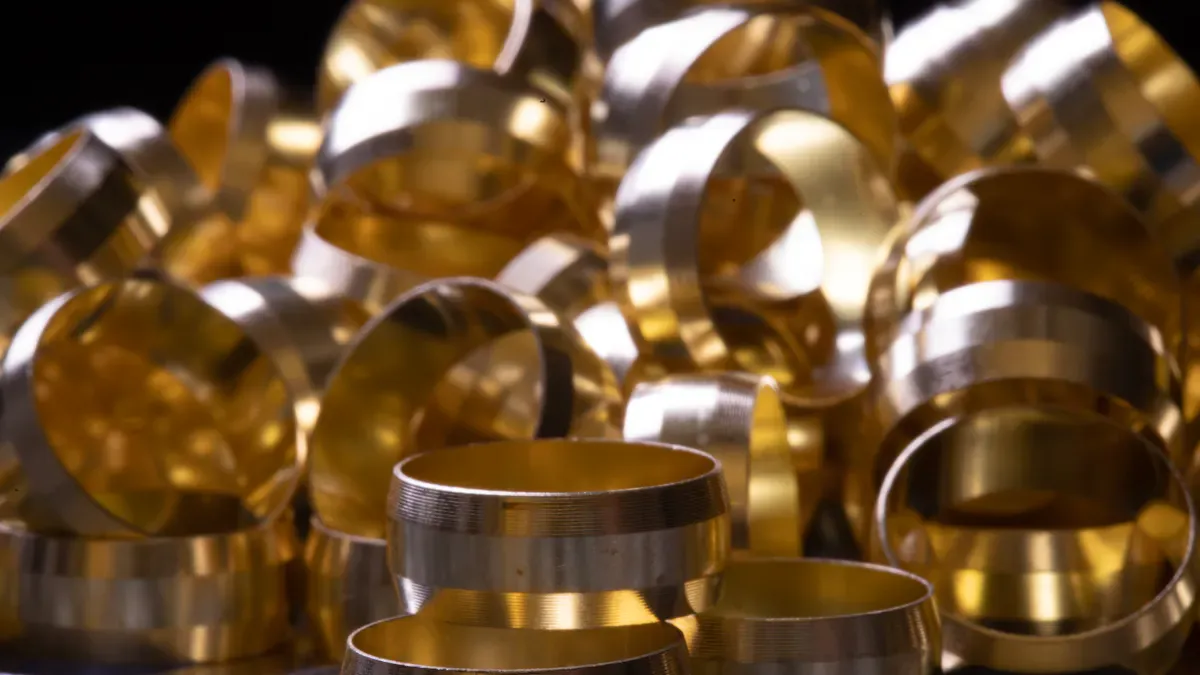
PPR stainless steel fittings provide exceptional durability and resist corrosion better than brass fittings. Their long-lasting nature often results in lower maintenance costs over time. Additionally, PPR stainless steel fittings cater to a broader range of applications, making them a versatile choice for various projects.
Key Takeaways
- PPR stainless steel fittings resist corrosion better than brass fittings, ensuring longer-lasting performance.
- Using PPR fittings can save money in the long run due to lower maintenance and replacement costs.
- PPR fittings are versatile and suitable for various applications, including plumbing, agriculture, and food processing.
Material Properties of PPR Stainless Steel Fitting
Composition of PPR Stainless Steel
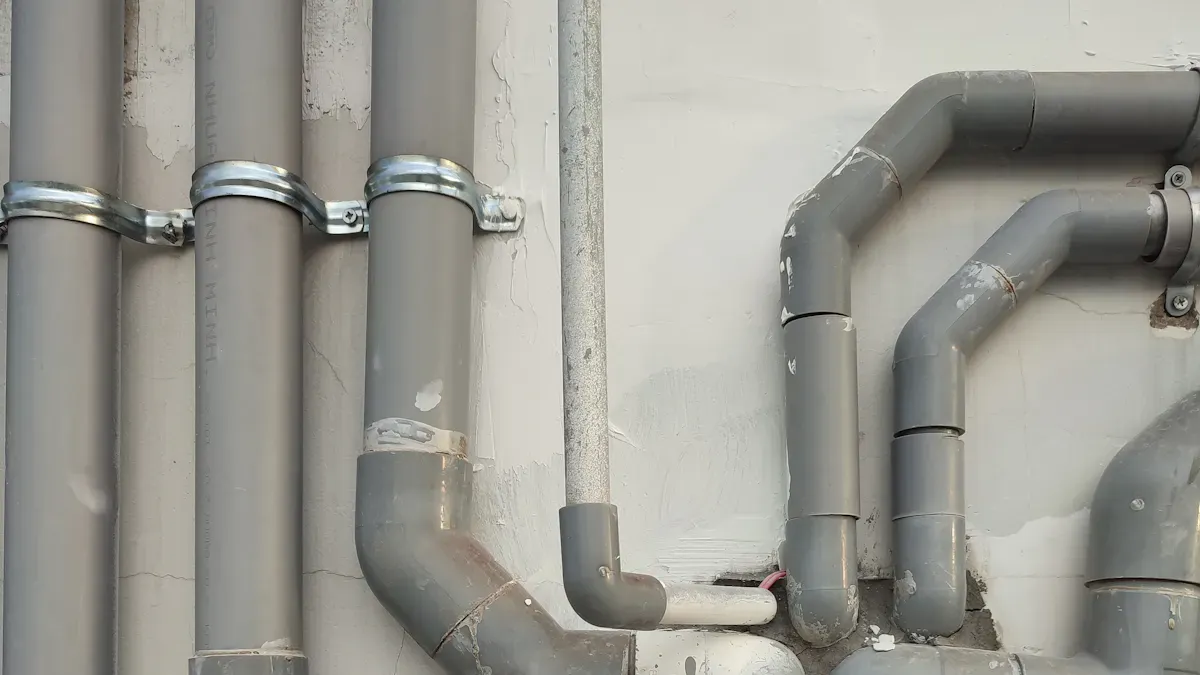
PPR, or Polypropylene Random Copolymer, is a thermoplastic polymer known for its excellent chemical resistance and durability. The composition of PPR includes:
- Polypropylene: This polymer provides flexibility and strength.
- Random Copolymer Structure: This structure enhances the material’s resistance to stress and impact.
- Additives: These may include stabilizers and colorants, which improve performance and longevity.
PPR offers comparable corrosion resistance to stainless steel but at a significantly lower cost. This makes PPR a preferred choice for budget-conscious plumbing projects. Additionally, PPR pipes are immune to corrosion, unlike metal pipes that can rust and leach metal ions into water. In hard water areas, metal pipes may develop scale and corrosion, while PPR remains unaffected, ensuring consistent water quality.
Composition of Brass
Brass is an alloy primarily composed of copper and zinc. Its composition typically includes:
- Copper: Provides strength and ductility.
- Zinc: Enhances corrosion resistance and machinability.
- Other Elements: Small amounts of lead or tin may be added to improve specific properties.
While brass fittings are widely used, they are more susceptible to corrosion compared to PPR stainless steel fittings. The presence of moisture and certain chemicals can lead to dezincification, weakening the material over time.
Corrosion Resistance of PPR Stainless Steel Fitting
PPR Stainless Steel Resistance
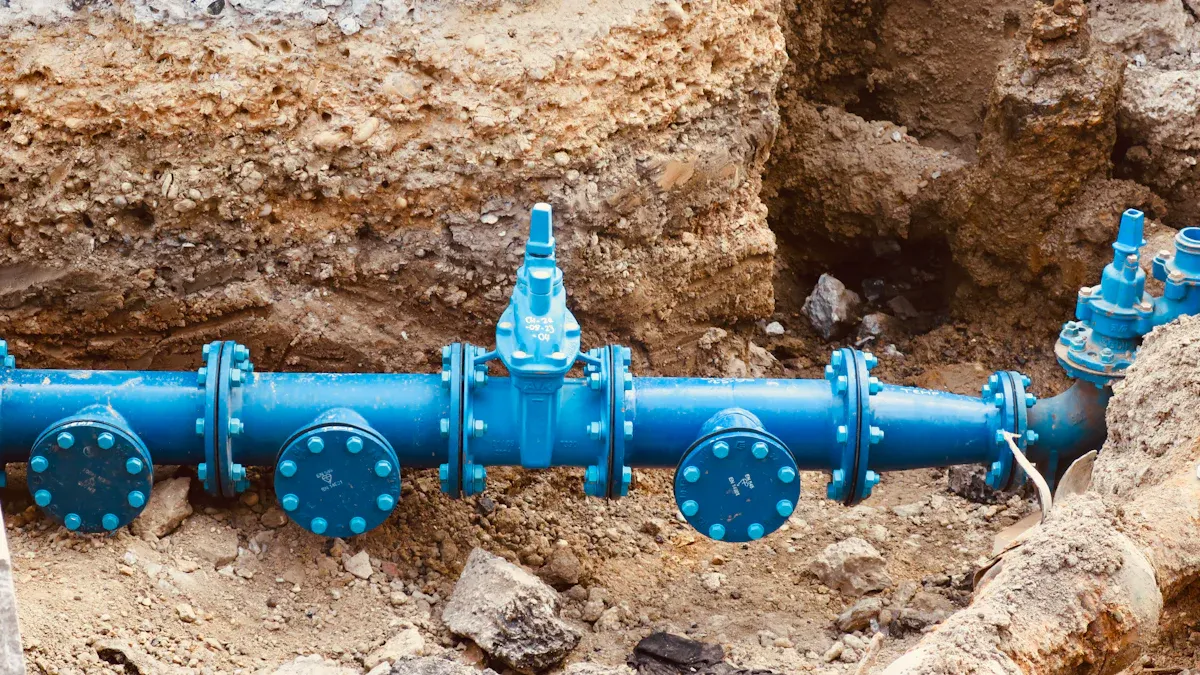
PPR stainless steel fittings excel in environments where corrosion poses a significant risk. Their design allows them to resist degradation from various chemicals, including highly acidic and alkaline substances. Unlike brass fittings, which can corrode and lose integrity over time, PPR maintains its structural integrity even when exposed to aggressive chemicals.
PPR fittings can withstand a variety of chemicals, such as diluted acids like sulfuric and hydrochloric acid, as well as alkaline substances like sodium hydroxide. This capability makes them particularly effective in industrial applications where brass fittings would fail due to corrosion. The ability to resist corrosion ensures that PPR stainless steel fittings provide reliable performance and longevity, reducing the need for frequent replacements.
Brass Vulnerability
Brass fittings, while popular, face several vulnerabilities that can compromise their performance. Common causes of corrosion in brass fittings include:
- Material Compatibility: Using brass valves with stainless steel pipes can lead to galvanic corrosion due to their differing electrochemical potentials.
- Galvanic Corrosion: This occurs when dissimilar metals are in contact in a conductive environment, with brass often acting as the anode and corroding faster.
- Environmental Factors: Elements such as the presence of electrolytes, temperature, and water chemistry significantly influence corrosion rates.
These vulnerabilities highlight the limitations of brass fittings in demanding environments. Over time, exposure to moisture and certain chemicals can lead to dezincification, weakening the material and potentially causing leaks. In contrast, PPR stainless steel fittings offer a more robust solution, ensuring durability and reliability in various applications.
Strength and Durability of PPR Stainless Steel Fitting
Tensile Strength of PPR
PPR stainless steel fittings exhibit impressive tensile strength, making them suitable for various demanding applications. The average tensile strength of PPR fittings is significantly lower than that of stainless steel, which ranges between 520 and 750 MPa. However, PPR fittings still provide adequate strength for many plumbing needs. Their ability to withstand mechanical stress is noteworthy, especially in industrial settings.
- High Strain Tolerance: PPR fittings can flex slightly without breaking, allowing them to absorb shocks and vibrations effectively.
- Jointing Methods: Heat fusion welding creates strong, leak-free joints, enhancing overall system integrity.
- Stress Distribution: The uniform load distribution across the fusion zone minimizes the risk of failure under pressure.
Tensile Strength of Brass
Brass fittings, while commonly used, have lower tensile strength compared to PPR stainless steel fittings. Their rigidity can lead to vulnerabilities under stress. The tensile strength of brass typically does not match that of high-grade stainless steel, making it less suitable for high-pressure applications.
- Lower Strain Tolerance: Brass fittings are more rigid and can crack under excessive strain.
- Jointing Methods: They often rely on gaskets or glues, which can become failure points over time.
- Field Performance: The performance of brass fittings can vary based on installation quality and environmental factors, leading to potential leaks.
The following table summarizes the differences in mechanical properties between PPR and brass fittings:
| Feature | PPR Fittings | Brass Fittings |
|---|---|---|
| Strain Tolerance | High strain tolerance, can flex slightly without breaking | Lower strain tolerance, more rigid |
| Jointing Methods | Heat fusion welding creates strong, leak-free joints | Typically uses gaskets or glues, which can be failure points |
| Stress Distribution | Uniform load distribution across fusion zone | Potential for uneven stress distribution due to joints |
| Field Performance | Proven resilience in landfill applications with minimal failures | Performance can vary based on installation and environmental factors |
Cost Comparison of PPR Stainless Steel Fitting
Initial Costs of PPR vs. Brass
When comparing initial costs, PPR stainless steel fittings generally present a higher upfront investment than brass fittings. However, this initial expense often reflects the superior quality and longevity of PPR materials. For example, while brass fittings may cost less initially, they may require more frequent replacements due to corrosion and wear.
- PPR Stainless Steel Fittings: Higher initial cost, but superior durability.
- Brass Fittings: Lower initial cost, but potential for higher long-term expenses.
Long-term Cost Benefits
The long-term cost benefits of PPR stainless steel fittings become evident when considering maintenance and replacement needs. A study shows that over a ten-year period, the total cost of maintaining stainless steel fittings is significantly lower than that of brass fittings.
| Cost Factor | Stainless Steel | Brass |
|---|---|---|
| Total 10-Year Cost | $4,500 | $8,400 – $13,600 |
Stainless steel fittings deliver dramatic long-term savings because they last 3-5 times longer than brass or PVC in industrial settings. When factoring in replacement labor, downtime costs, and the risk of failure-related damage, stainless steel’s higher initial price pays for itself many times over within a decade. For critical systems, it is the only economically sensible choice.
Application Suitability of PPR Stainless Steel Fitting
Ideal Uses for PPR Stainless Steel
PPR stainless steel fittings excel in various applications due to their durability and flexibility. They are particularly well-suited for:
- Construction & Plumbing: Ideal for hot and cold water distribution, underfloor heating, and HVAC systems. Their leak-free joints enhance system reliability.
- Agriculture & Irrigation: Effective in systems that require resistance to fertilizers and temperature fluctuations.
- Food & Beverage Processing: Compliant with hygiene standards, ensuring no contamination occurs.
- Automotive & Industrial Fluid Transport: Suitable for coolant lines and chemical transfer systems.
- Pharmaceutical & Cleanroom Environments: Essential for ultra-pure water systems where cleanliness is critical.
PPR fittings can withstand high temperatures and pressures, making them suitable for pressurized hot and cold water systems. They can handle pressures up to 20 bar at room temperature and tolerate continuous temperatures up to 70°C (158°F) with short-term peaks reaching 95°C (203°F).
Ideal Uses for Brass Fittings
Brass fittings remain popular in residential plumbing due to their reliability. Common applications include:
- Creating reliable hydraulic seals in plumbing systems.
- Changing flow direction and regulating pressure.
- Isolating sections of plumbing and adapting pipe sizes.
- Water supply, drainage, heating, fire suppression, and instrumentation.
However, brass fittings have limitations. They can be heavier and more challenging to transport. Additionally, they may experience dezincification in aggressive water conditions, which can compromise their integrity over time.
PPR stainless steel fittings offer significant advantages, including enhanced durability, superior corrosion resistance, and cost-effectiveness. For applications demanding longevity and minimal maintenance, PPR stainless steel is the preferred choice. Regulatory standards, such as ISO 15874 and ASTM F2389, support the adoption of PPR fittings in plumbing systems. Brass fittings may still serve well in specific, less demanding applications.
FAQ
What are the main benefits of using PPR stainless steel fittings?
PPR stainless steel fittings offer superior durability, corrosion resistance, and lower long-term maintenance costs compared to brass fittings.
Can PPR fittings be used for hot water applications?
Yes, PPR fittings can handle hot water applications, tolerating temperatures up to 70°C (158°F) and short-term peaks of 95°C (203°F).
Are brass fittings suitable for outdoor use?
Brass fittings can be used outdoors, but they may corrode faster in harsh environments due to moisture and chemical exposure.