What are PVC ball valves used for?
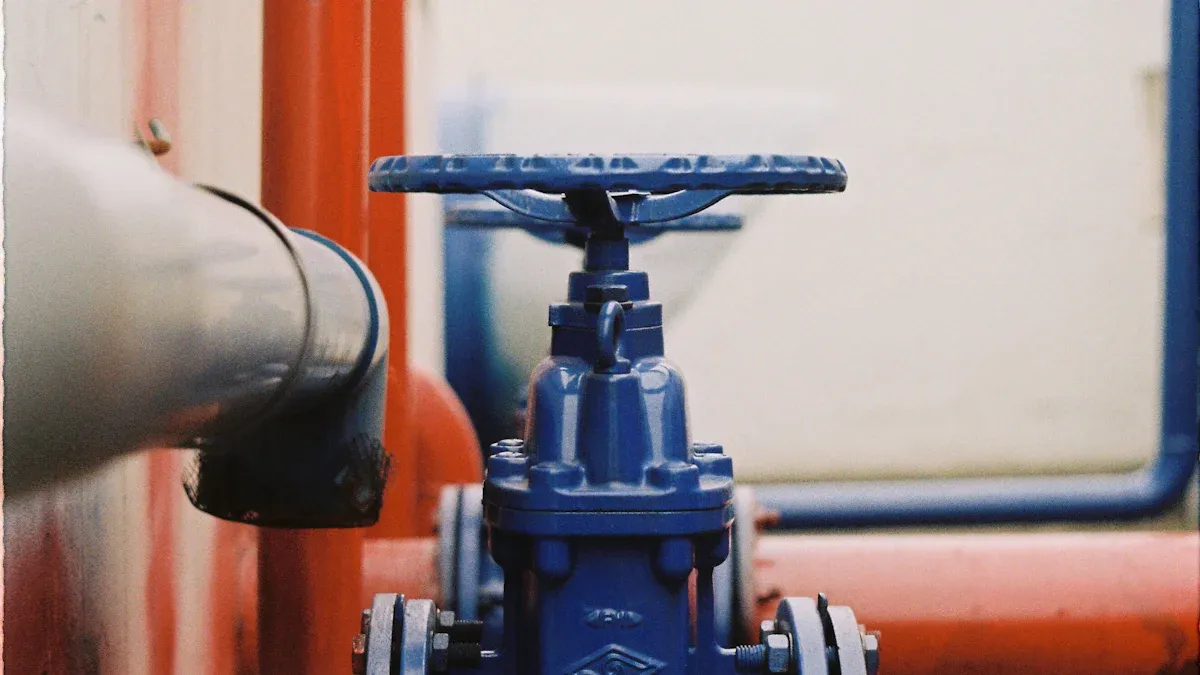
PVC ball valves play a crucial role in controlling the flow of liquids and gases across multiple systems. Their lightweight design and cost-effectiveness make them popular in various settings. Industries such as food and beverage, oil and gas, and water treatment heavily rely on PVC ball valves for efficient flow management.
Key Takeaways
- PVC ball valves are essential for controlling fluid flow in plumbing, irrigation, and chemical processing, making them versatile for various applications.
- Their lightweight design simplifies installation and maintenance, leading to reduced labor costs and quicker project completion.
- PVC ball valves are cost-effective, offering lower initial prices compared to metal valves, making them ideal for low-pressure systems.
Applications of PVC Ball Valves
Plumbing Systems
PVC ball valves serve as essential components in residential plumbing systems. They provide reliable control of fluid flow, ensuring efficient operation. The full-port design of these valves maximizes flow efficiency, making them ideal for various plumbing applications. Key benefits include:
- Simple and reliable for controlling fluid flow.
- Quick on/off operation for ease of use.
- Isolation capabilities for maintenance without shutting down the entire system.
These features enhance the overall efficiency of plumbing installations. A table summarizing the benefits of PVC ball valves in plumbing is as follows:
| Feature | Benefit |
|---|---|
| Reliable flow control | Ensures consistent water flow, enhancing efficiency |
| Reduces leaks | Minimizes water loss, improving overall system performance |
| Easy to maintain | Simplifies upkeep, ensuring long-term efficiency |
| Lightweight | Facilitates easier installation and handling |
| Corrosion-resistant | Extends lifespan and reliability in various applications |
Irrigation Systems
In agricultural settings, PVC ball valves play a crucial role in irrigation systems. They utilize a spherical disk to manage water flow, ensuring a tight seal when closed. This design minimizes water loss, making them an efficient choice for irrigation. Their applications include:
- Sprinkler Irrigation: PVC ball valves manage the water supply, allowing for personalized irrigation plans based on crop needs.
- Surface Irrigation: They control water flow from the main supply to ditches, optimizing water distribution across fields.
- Versatility: Suitable for drip, sprinkler, and surface systems, ensuring precise water management for crops.
The precise control offered by PVC ball valves helps reduce water waste and allows for quick adjustments in irrigation systems. This efficiency contributes significantly to water conservation efforts in agriculture.
Chemical Processing
PVC ball valves are widely used in chemical processing due to their resistance to various chemicals. They handle a range of substances, including industrial acids, detergents, and agricultural chemicals. The ability to withstand corrosive materials makes them a preferred choice in this sector. Key considerations include:
- Ensure chemical compatibility with specific substances.
- Maintain temperature limits to prevent deformation.
- Select valves rated for the system’s maximum operating pressure.
These factors ensure safe and efficient operation in chemical processing applications. The durability of PVC ball valves contributes to long-term reliability, reducing the need for frequent replacements.
Water Treatment
Municipal water treatment facilities utilize PVC ball valves for various functions. They manage the flow of incoming raw water and control screening and sedimentation processes. Key applications include:
- Primary Treatment Phase: PVC ball valves ensure high flow rates and precise control during the initial stages of water treatment.
- Chemical Dosing Control: They regulate the flow of treatment chemicals like chlorine, utilizing corrosion-resistant materials to withstand aggressive chemicals.
- Filtration System Operation: Ball valves control water flow through filtration media and facilitate backwashing operations, ensuring effective cleaning and maintenance of filters.
The use of PVC ball valves in water treatment enhances operational efficiency and contributes to the overall effectiveness of the treatment process.
Advantages of PVC Ball Valves
Corrosion Resistance
One of the most significant advantages of PVC ball valves is their exceptional corrosion resistance. Unlike metal valves, PVC’s non-metallic composition provides inherent protection against rust and corrosion. This characteristic makes PVC ball valves particularly effective in environments where exposure to harsh chemicals is common. Key points include:
- PVC valves are immune to rust and resist a wide range of acids and alkalis.
- They do not undergo electrochemical corrosion processes, enhancing durability in corrosive environments.
- PVC maintains structural integrity when exposed to acids, alkalis, and solvents, ensuring leak-free performance.
These features make PVC ball valves a reliable choice for applications in chemical processing and other industries where corrosion poses a significant risk.
Lightweight and Easy to Install
Another advantage of PVC ball valves is their lightweight design. This feature simplifies handling and installation, making them ideal for various projects. The ease of installation leads to several benefits:
- The lightweight nature reduces physical effort during installation, allowing for quicker setup.
- Their simple mechanism allows for rapid operation, which shortens installation times.
- Lower labor costs result from the reduced time and effort required for installation.
| Material | Weight Characteristics |
|---|---|
| Brass Ball Valves | Heavy, requires robust installation methods |
| PVC Ball Valves | Lightweight, easy to handle and install |
These factors contribute to the overall efficiency of projects that utilize PVC ball valves.
Cost-Effectiveness
PVC ball valves also stand out for their cost-effectiveness. They offer a lower initial purchase price compared to metal alternatives, making them an economical choice for many applications. Consider the following aspects:
- The initial purchase cost of PVC ball valves is significantly cheaper than that of brass ball valves.
- Installation and labor costs are lower due to the ease of handling and quick installation.
- While PVC valves may be more prone to cracking and require more frequent replacements, their overall cost efficiency in low-pressure systems is notable.
| Category | PVC Ball Valves | Brass Ball Valves |
|---|---|---|
| Initial Purchase Cost | Significantly cheaper | Higher upfront price |
| Installation and Labor Costs | Easier and faster to install | Requires careful handling and may increase labor costs |
| Maintenance and Replacement Frequency | More prone to cracking and frequent replacements | Longer service life and less frequent maintenance |
| Application-Driven Cost Efficiency | Economical for low-pressure systems | Preferred for high-pressure systems |
| Environmental Considerations | May not meet certain standards | Complies with low-lead regulations |
The combination of affordability and performance makes PVC ball valves a practical choice for various applications.
Comparison with Other Ball Valves
PVC vs. Metal Ball Valves
PVC ball valves outperform metal ball valves in several key areas, particularly in industrial settings. They feature smooth interior surfaces that enhance flow characteristics, reducing friction and pressure drop. This design leads to more efficient fluid movement. Additionally, PVC ball valves require less maintenance and experience reduced downtime. They do not corrode or seize, making repairs less frequent and easier. Furthermore, PVC valves are safer and environmentally friendly, being non-conductive and resistant to chemical degradation.
PVC vs. Brass Ball Valves
When comparing PVC ball valves to brass ball valves, durability and operational lifespan differ significantly. The following table summarizes these differences:
| Feature | Brass Ball Valve | PVC Ball Valve |
|---|---|---|
| Durability | High, handles pressure and heat well | Lower, best for low-pressure uses |
| Temperature Range | Wide, handles hot and cold | Limited, not ideal for high heat |
| Applications | Plumbing, gas lines, HVAC, industrial | Irrigation, pools, low-pressure water systems |
Brass ball valves typically last longer, with an operational lifespan of 20-50 years compared to 5-15 years for PVC ball valves. This longevity makes brass a preferred choice for high-pressure applications.
PVC vs. Stainless Steel Ball Valves
The comparison between PVC and stainless steel ball valves reveals distinct strengths and weaknesses. The following table highlights these differences:
| Feature | Stainless Steel Ball Valves | PVC Ball Valves |
|---|---|---|
| Material | Alloy of iron, carbon, and chromium | Polyvinyl Chloride (thermoplastic) |
| Strength | High mechanical strength, tolerates high pressures | Lower strength, suitable for low to moderate pressures |
| Durability | Excellent durability, long operational life | Less durable, prone to cracking under stress |
| Heat Resistance | Can handle temperatures up to 500°F (260°C) | Limited to 150°F (65°C) |
| Chemical Compatibility | Good with non-aggressive media, may require special grades | Excellent with many acids and alkalis |
| Cost | Higher initial cost, offset by durability | More affordable, but may require frequent replacement |
PVC ball valves demonstrate versatility across multiple industries, including water treatment, agriculture, and chemical processing. Their lightweight construction, ease of installation, and strong resistance to chemicals contribute to their widespread adoption. Understanding the unique properties of these valves aids in selecting the right option for specific applications, ensuring optimal performance and efficiency.
Key considerations when choosing PVC ball valves include:
- Construction material
- Size and pressure rating
- Valve type and end connections
These factors ensure that users select the most suitable valve for their needs.
FAQ
What is the lifespan of PVC ball valves?
PVC ball valves typically last between 5 to 15 years, depending on usage and environmental conditions.
Can PVC ball valves be used for hot water applications?
PVC ball valves are not suitable for high-temperature applications. They generally handle temperatures up to 150°F (65°C).
How do I maintain PVC ball valves?
Regular inspections for leaks and ensuring proper sealing can help maintain PVC ball valves. Clean them periodically to prevent buildup.