Introduction
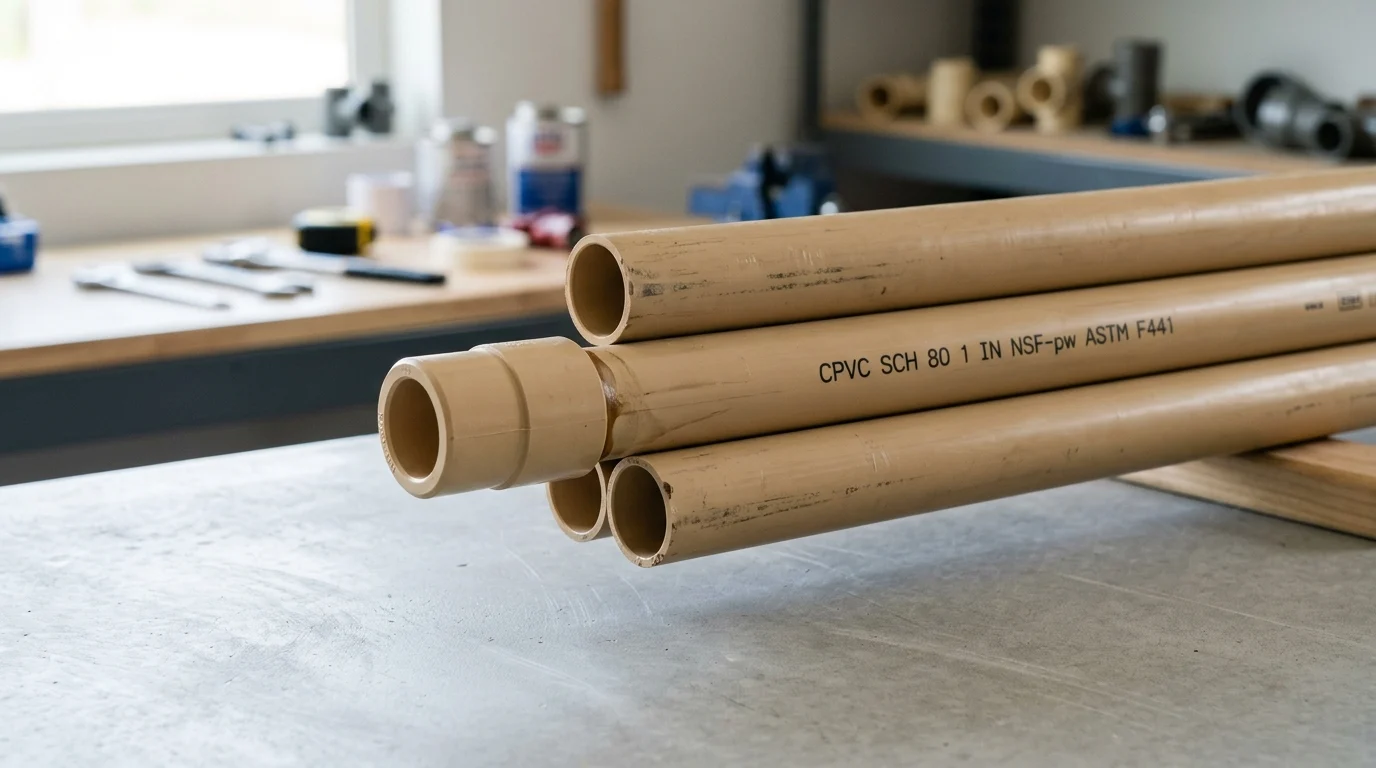
CPVC pipes are widely used in modern fire protection because they combine corrosion resistance, smooth internal flow, and faster installation than many metal alternatives. In sprinkler systems, these properties can improve long-term reliability, reduce maintenance concerns, and support efficient hydraulic performance in a range of building types. This article outlines the main applications of CPVC pipes in fire protection systems, from residential and light commercial sprinkler networks to retrofit projects where weight, cost, and installation access matter. It also helps readers understand where CPVC fits best, why it is often specified, and what practical advantages drive its growing use in fire safety design.
Why CPVC Pipes Matter in Fire Protection
Chlorinated Polyvinyl Chloride (CPVC) has fundamentally transformed the landscape of fire protection engineering, transitioning from a niche alternative to a dominant material specification in specific building sectors. Unlike standard plumbing-grade plastics, fire sprinkler CPVC is a highly engineered thermoplastic subjected to specialized compounding to enhance its heat resistance, structural integrity, and hydraulic efficiency. In an industry where system reliability dictates life safety, the adoption of CPVC piping mitigates several chronic vulnerabilities associated with traditional metallic systems, most notably internal corrosion and scaling.
The strategic shift toward CPVC is not merely a matter of material preference but a response to evolving construction economics and stringent hydraulic performance requirements. As developers and fire protection engineers seek to optimize total installed costs without compromising NFPA compliance, CPVC provides a compelling value proposition. By virtually eliminating the risk of Microbiologically Influenced Corrosion (MIC)—a phenomenon that can degrade steel systems in as little as two to three years—CPVC offers a highly predictable lifecycle.
Installation speed and lifecycle cost benefits
The primary catalyst for CPVC adoption in fire sprinkler systems is the dramatic reduction in installation time and the associated lifecycle cost benefits. Because CPVC utilizes a cold-welding solvent cement joining process, it eliminates the need for threading machines, grooving equipment, and hot work permits on the job site. Fire protection contractors consistently report labor hour reductions ranging from 30% to 50% when installing CPVC compared to traditional black steel pipe, frequently reducing typical per-sprinkler installation costs by $15 to $30 depending on the regional labor market.
From a lifecycle perspective, the financial advantages extend well beyond the initial capital expenditure. Metallic systems require ongoing maintenance to monitor and mitigate internal corrosion, often necessitating expensive nitrogen inerting systems or chemical corrosion inhibitors. CPVC is inherently immune to galvanic corrosion and MIC, extending the functional lifespan of the sprinkler system to 50 years or more under standard operating conditions. This durability translates to a lower total cost of ownership, reducing maintenance budgets and minimizing the probability of catastrophic leak-induced water damage.
Building segments driving demand
Demand for CPVC fire sprinkler pipe is heavily concentrated in light hazard occupancies, where the material’s performance profile aligns perfectly with regulatory allowances and building designs. The multi-family residential sector—encompassing apartment complexes, condominiums, and student dormitories—represents the largest growth engine for this material. These structures, typically governed by NFPA 13R (up to four stories, though local codes sometimes extend this to 60 feet) and NFPA 13D standards, require cost-effective, easily concealable piping that can navigate tight plenum spaces.
Beyond residential applications, CPVC sees extensive utilization in commercial light hazard environments such as hotels, office buildings, hospitals, and educational facilities. The material is particularly advantageous in retrofit applications within occupied buildings. Because CPVC installation generates no noise from threading machines, no sparks, and requires no heavy lifting equipment, contractors can upgrade fire protection systems in existing structures with minimal disruption to daily operations, driving substantial demand in the renovation sector.
CPVC Pipes for Fire Protection Systems
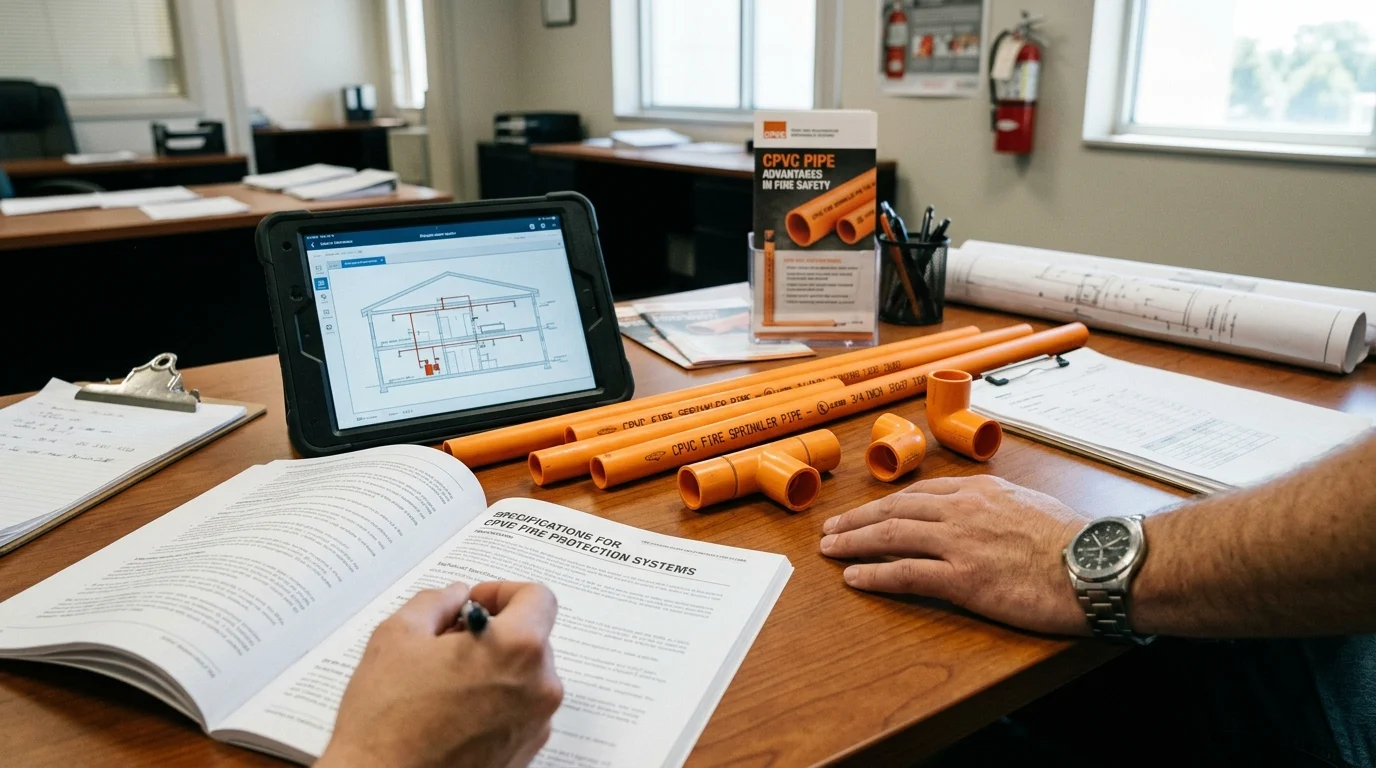
Specifying CPVC for fire protection requires a thorough understanding of its specialized engineering attributes. Fire-grade CPVC is not interchangeable with industrial or residential plumbing CPVC; it contains specific impact modifiers, UV stabilizers, and fire-retardant compounds designed to maintain structural integrity during thermal events. These proprietary formulations ensure the piping can deliver required water densities to sprinkler heads even when exposed to elevated temperatures.
Key performance characteristics
A defining metric of CPVC performance is its exceptional hydraulic efficiency. CPVC boasts a Hazen-Williams C-factor of 150, which remains constant throughout its service life because the pipe interior does not rust, scale, or pit. In contrast, standard steel pipe is calculated with a C-factor of 120 (often degrading to 100 or lower over time). This superior flow characteristic allows fire protection engineers to downsize pipe diameters—often substituting a 1-inch steel pipe (internal diameter ~1.049 inches) with a 3/4-inch CPVC pipe (internal diameter ~0.874 inches)—while still achieving the required gallons per minute (GPM) at the sprinkler head.
Thermally, fire sprinkler CPVC exhibits a Limiting Oxygen Index (LOI) of 60. Since Earth’s atmosphere contains only 21% oxygen, CPVC will not sustain a flame independently; it requires an external fuel source to burn and will self-extinguish once that source is removed. Furthermore, when exposed to fire, the exterior of the pipe forms a protective carbonaceous char that acts as a thermal barrier, insulating the interior pipe wall and the water flowing within it.
Main applications
The primary application for CPVC in fire protection is wet pipe sprinkler systems in light hazard occupancies. Because wet systems are permanently charged with water, the fluid acts as a heat sink during a fire, absorbing thermal energy and preventing the thermoplastic from reaching its melting point. CPVC is universally specified for branch lines and cross mains in these environments.
In addition to standard overhead sprinkler networks, CPVC is frequently utilized for underground fire service mains leading into the building, provided the pipe carries the appropriate AWWA C900 or UL listings for underground service. It is also increasingly deployed in standalone residential systems, where the fire sprinkler network is integrated with the domestic cold water supply, leveraging CPVC’s approvals for potable water transport.
Limits related to temperature, occupancy, pressure, and concealed spaces
Despite its distinct advantages, CPVC implementation is strictly bounded by thermal, pressure, and occupancy limitations. Standard fire protection CPVC is listed for a maximum ambient temperature of 150°F (65.5°C). Operating pressures are generally capped at 175 psi at this maximum temperature, though some specialized fittings and larger diameters (e.g., 4-inch to 6-inch mains) may have different threshold ratings or require derating.
CPVC is explicitly prohibited from use in standard dry pipe systems. Without water to act as a heat sink, the thermoplastic is vulnerable to rapid thermal degradation before the dry valve trips and water fills the network. Additionally, when routing CPVC through combustible concealed spaces (such as wood-joist floor/ceiling assemblies), the pipe must be protected by specific non-combustible insulation, a minimum 3/8-inch layer of gypsum board, or specially listed combustible concealed sprinklers to meet UL 1821 listing requirements.
CPVC Pipes vs Steel, Copper, and Other Materials
Specifying the optimal piping material requires a rigorous comparative analysis of mechanical properties, installation logistics, and lifecycle vulnerabilities. While traditional metallic piping—namely black steel and copper—has historical precedence, CPVC has disrupted the market by offering distinct physical advantages. Understanding the trade-offs between these materials is critical for value engineering and ensuring long-term system viability.
Material selection criteria
Material selection hinges on three primary criteria: hydraulic performance, corrosion resistance, and physical weight. Hydraulic performance dictates the necessary pipe sizing and fire pump requirements; materials with smoother internal walls reduce friction loss, thereby lowering energy and material requirements. Corrosion resistance is the primary determinant of system longevity, particularly in regions with aggressive water chemistry or where systems are frequently drained and refilled, introducing oxygen.
Physical weight and fabrication logistics directly impact labor costs and structural loading. A material that can be fabricated on-site using hand tools offers immense flexibility compared to materials requiring heavy machinery, specialized welding certifications, or off-site prefabricated spool pieces. The comparative weight of the material also dictates hanger spacing, seismic bracing requirements, and the sheer physical toll on the installation crew.
Trade-offs across common piping options
The trade-offs between CPVC, black steel, and copper are stark. Black steel remains the default for ordinary and extra-hazard occupancies due to its structural rigidity and high temperature tolerance, but it is highly susceptible to MIC and scaling. Copper offers excellent corrosion resistance and flow characteristics but is plagued by extreme price volatility and a high theft risk on job sites. CPVC provides the corrosion resistance of copper and superior hydraulics, but is limited to light hazard environments and requires strict chemical compatibility management.
| Material Feature | Fire-Grade CPVC (SDR 13.5) | Black Steel (Schedule 10) | Type L Copper |
|---|---|---|---|
| Hazen-Williams C-Factor | 150 (Constant) | 120 (Degrades over time) | 150 (Relatively stable) |
| Weight per Foot (2-inch pipe) | ~0.65 lbs | ~2.66 lbs | ~1.75 lbs |
| Joining Method | Solvent Cement | Threaded, Grooved, Welded | Brazed, Soldered, Pressed |
| Corrosion / MIC Risk | Immune | High Vulnerability | Low Vulnerability |
| Occupancy Limitations | Light Hazard Only | All Hazards | Light Hazard (typically) |
As demonstrated in the comparative data, CPVC is approximately one-quarter the weight of Schedule 10 black steel. This massive reduction in dead load not only accelerates installation but also reduces the structural burden on the building framework. However, this lightweight thermoplastic nature means CPVC requires tighter hanger spacing—typically every 6 feet for 1-inch pipe, compared to 12 feet for steel—to prevent sagging and ensure proper pitch.
Compliance, Design, and Installation
The deployment of CPVC in life-safety systems is governed by a stringent regulatory framework encompassing product listings, design standards, and exacting installation protocols. Because fire protection systems remain dormant for years but must function flawlessly during a catastrophic event, the margin for error in specification and assembly is zero. Compliance is not merely a legal obligation but the foundation of system reliability.
Codes, listings, approvals, and manufacturer requirements
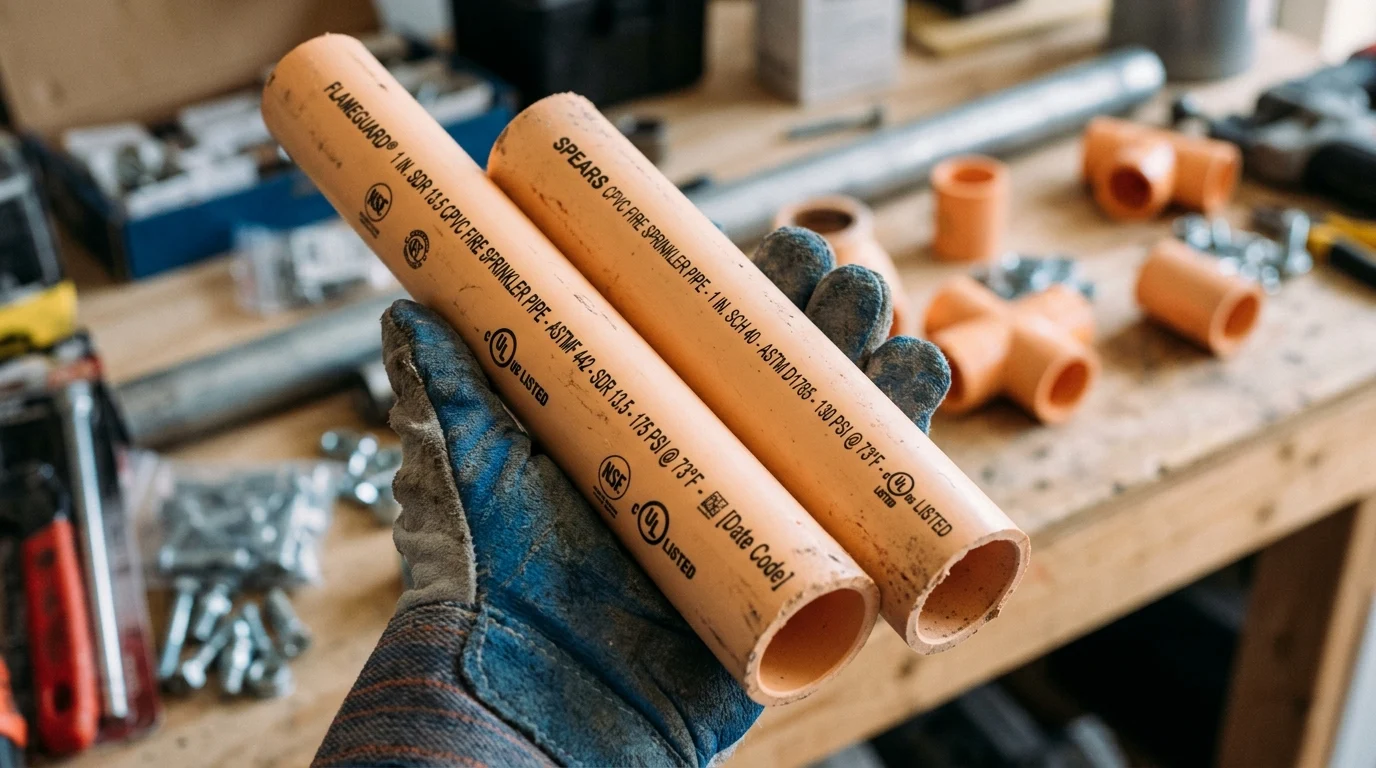
CPVC fire sprinkler pipe and fittings must carry specific third-party listings, most notably UL 1821 (Standard for Thermoplastic Sprinkler Pipe and Fittings for Fire Protection Service) and FM Approvals. These listings verify that the material has passed severe fire exposure tests, impact resistance evaluations, and long-term hydrostatic pressure testing. Additionally, the physical dimensions and material properties must comply with ASTM F442 and ASTM D2846.
From a design perspective, the application of CPVC is regulated by the National Fire Protection Association (NFPA). NFPA 13 dictates the use of CPVC in commercial light hazard occupancies, while NFPA 13R and 13D govern residential applications. Manufacturers also impose their own strict installation manuals, which carry the weight of code; failure to adhere to manufacturer-specific cure times, handling procedures, or cut-in instructions immediately voids the system’s UL listing and warranty.
Design and installation steps that reduce failure risk
The dominant failure mode for CPVC fire systems is not material deficiency, but improper installation and chemical incompatibility. Solvent cement application requires meticulous attention to detail. The cement must be applied evenly to both the pipe and the fitting, and the joint must be allowed to cure for a duration dictated by ambient temperature, pipe diameter, and test pressure. Pressurizing the system prematurely will cause joint failure.
The table below outlines typical minimum cure times required before hydrostatically testing a CPVC system up to 225 psi:
| Ambient Temperature | Pipe Size: 3/4″ to 1″ | Pipe Size: 1-1/4″ to 2″ | Pipe Size: 2-1/2″ to 3″ |
|---|---|---|---|
| 60°F to 100°F (15°C to 38°C) | 1 hour | 2 hours | 16 hours |
| 40°F to 59°F (4°C to 15°C) | 4 hours | 8 hours | 48 hours |
| 0°F to 39°F (-18°C to 4°C) | 48 hours | 96 hours | 8 days (192 hours) |
Chemical compatibility is the most critical risk factor during installation. CPVC is vulnerable to Environmental Stress Cracking (ESC) when exposed to certain incompatible chemicals found in antimicrobial pipe coatings, firestopping caulks, thread sealants, and even some cutting oils or wire pulling lubricants. To mitigate this risk, specifiers and contractors must strictly adhere to chemical compatibility databases (such as the FBC™ System Compatible Program) to ensure ancillary construction materials do not compromise the molecular structure of the pipe.
Quality evaluation for specifiers, contractors, and owners
Quality assurance protocols demand rigorous inspection from the point of material delivery to final hydrostatic testing.
How to Choose the Right CPVC Pipes
Key Takeaways
- The most important conclusions and rationale for CPVC Pipes
- Specs, compliance, and risk checks worth validating before you commit
- Practical next steps and caveats readers can apply immediately
Frequently Asked Questions
Where are CPVC pipes most commonly used in fire protection systems?
They are most common in light hazard occupancies such as apartments, hotels, dormitories, offices, schools, and some healthcare areas where local codes permit CPVC sprinkler systems.
Why is CPVC preferred over steel in many sprinkler installations?
CPVC resists corrosion, scaling, and MIC, keeps a smooth bore for reliable flow, and often lowers labor and maintenance costs compared with black steel piping.
Can CPVC help speed up fire sprinkler installation?
Yes. CPVC uses solvent-cement joining, so installers avoid threading, grooving, and hot work permits, which can significantly reduce jobsite time and disruption.
Is fire sprinkler CPVC the same as regular plumbing CPVC?
No. Fire sprinkler CPVC is specially formulated for fire protection performance and must be matched with approved fittings, cements, and installation methods.
Can Donsen support buyers sourcing CPVC pipes and fittings for projects?
Yes. Donsen supplies plastic piping systems and fittings for global buyers, with broad export experience and application-focused product support for residential and commercial projects.