- Home
- News
- Sourcing Strategy: Why Choosing a One-Stop Plastic Piping Manufacturer in China Reduces Supply Chain Risks
Sourcing Strategy: Why Choosing a One-Stop Plastic Piping Manufacturer in China Reduces Supply Chain Risks
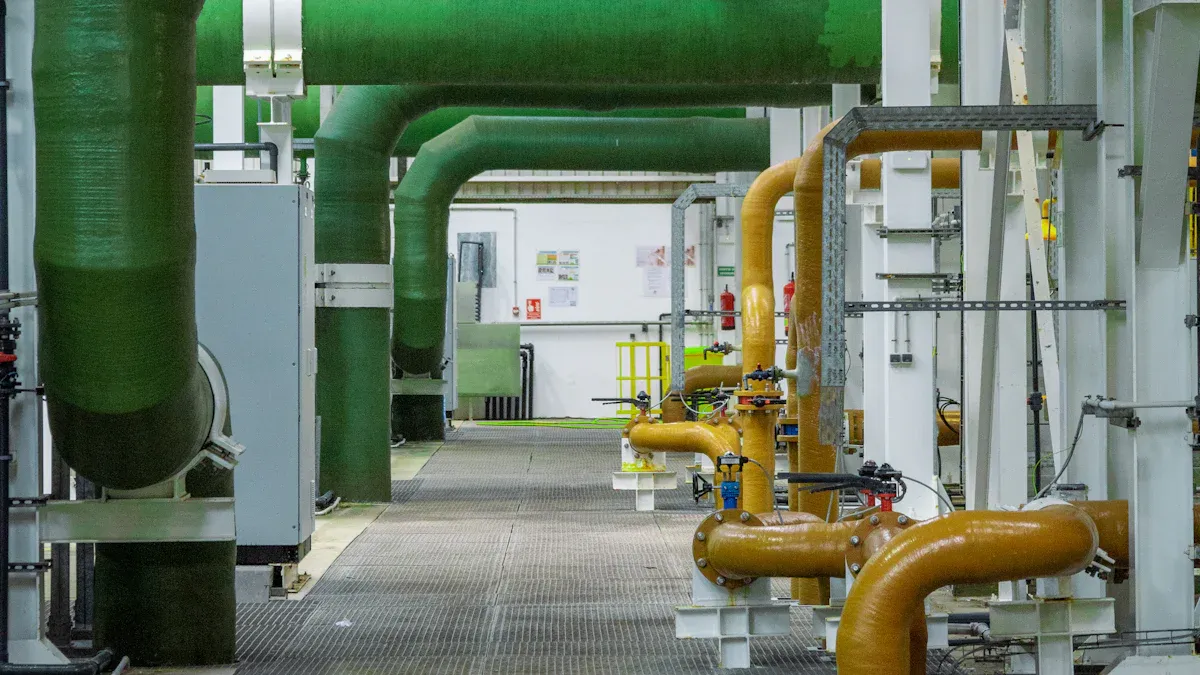
Businesses significantly reduce supply chain risks by choosing a one-stop plastic piping manufacturer in China. This approach consolidates production and logistics under a single, accountable entity. It streamlines operations and enhances overall control. A dedicated one-stop plastic pipeline manufacturer provides comprehensive solutions for efficient plastic pipe sourcing. For instance, a reputable China PVC Fittings supplier can also manage PPR Pipes & Fittings wholesale, simplifying procurement processes.
Key Takeaways
- A single manufacturer in China makes your supply chain simpler. This helps you avoid problems from using many different suppliers.
- One manufacturer means better quality control. All your plastic pipes and fittings will meet the same high standards.
- Working with one supplier makes shipping faster and easier. This saves time and money.
- Chinese manufacturers offer good prices and many choices. They can also customize products for your specific needs.
- Always check a manufacturer carefully before you choose them. Make sure they have good certifications and protect your ideas.
Understanding Fragmented Supply Chain Risks
The Complexities of Multi-Vendor Sourcing
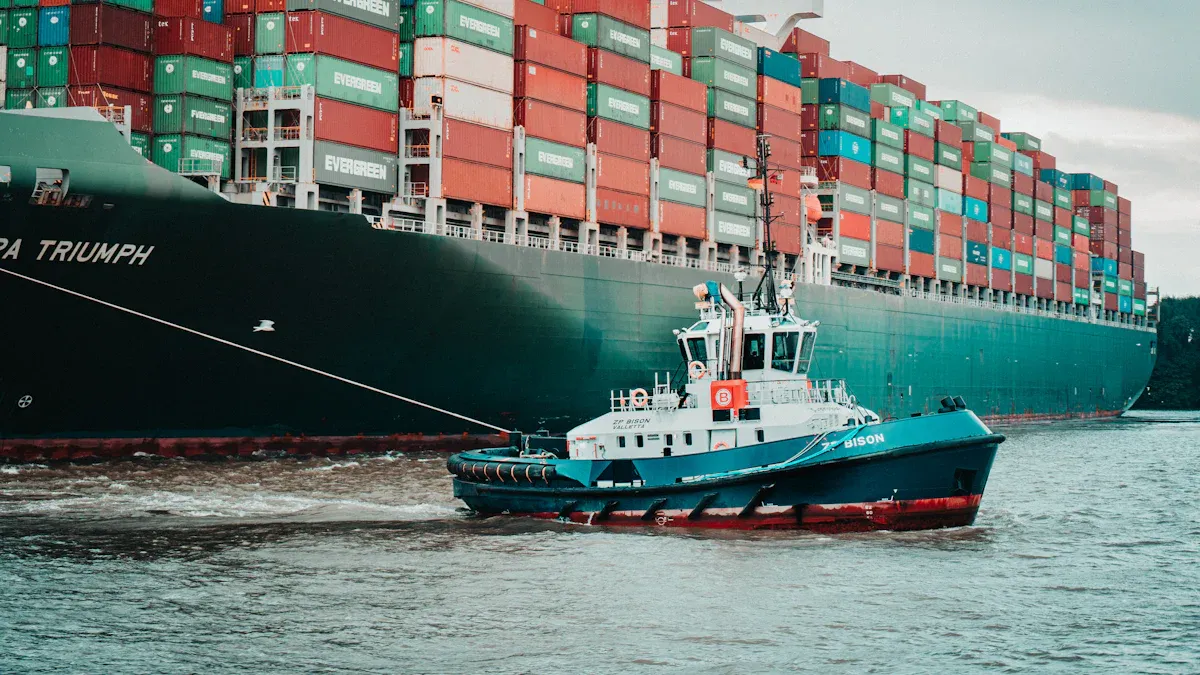
Businesses often rely on multiple vendors for different components. This approach creates a fragmented supply chain. Each vendor introduces its own set of processes and communication channels. Managing these diverse relationships becomes challenging. Companies face difficulties in coordinating schedules and ensuring consistent quality across various suppliers. For example, one vendor might produce pipes, while another supplies fittings, and a third handles valves. This separation can lead to delays and inconsistencies. Information flow often becomes disjointed. This makes it harder to track orders and resolve issues quickly. A lack of unified oversight increases the potential for errors and miscommunications.
Common Supply Chain Vulnerabilities
Fragmented supply chains expose businesses to several vulnerabilities. Quality control presents a significant challenge. Different manufacturers may have varying standards. This leads to inconsistent product quality. Delays in one part of the chain can ripple through the entire system. This impacts production schedules and delivery times. Inventory management also becomes more complex. Companies might hold excess stock to mitigate risks from unreliable suppliers. This increases holding costs. Conversely, they could face shortages if a single vendor experiences production issues. Geopolitical events, natural disasters, or economic instability in one region can disrupt a specific supplier. This then affects the entire supply chain. These external factors highlight the inherent fragility of relying on numerous independent entities.
The One-Stop Solution for Risk Mitigation
Streamlined Communication and Accountability
A one-stop manufacturer offers a single point of contact. This simplifies communication significantly. Businesses interact with one entity for all their plastic piping needs. This eliminates the need to coordinate with multiple suppliers. It reduces the chances of miscommunication. A single manufacturer takes full responsibility for the entire product range. This ensures clear accountability. If an issue arises, businesses know exactly whom to contact. This speeds up problem resolution. It also fosters a stronger, more transparent working relationship.
Enhanced Quality Control and Consistency
A one-stop solution provides comprehensive control over the entire manufacturing process. This ensures consistent product quality. The manufacturer implements uniform quality standards across all products. This includes pipes, fittings, and valves. They use high-quality raw materials. They also employ advanced production lines. This commitment to quality results in reliable and durable products. For example, a manufacturer might hold various international certifications. These certifications validate their adherence to global quality benchmarks. This approach guarantees that every component meets the same high standards. It eliminates the inconsistencies often found with multiple vendors.
Optimized Logistics and Reduced Lead Times
Consolidating production with one manufacturer streamlines logistics. This reduces overall lead times. Businesses receive all their required components from a single source. This minimizes the number of shipments. It also reduces handling points. The manufacturer coordinates packaging and shipping efficiently. This avoids delays caused by waiting for different parts from various suppliers. A single shipment simplifies customs procedures. It also lowers transportation costs. This integrated approach ensures faster delivery. It also provides greater predictability in the supply chain. A manufacturer with global export experience can manage these processes effectively. They can deliver products like PPR Pipes & Fittings wholesale to diverse international markets.
Strategic Advantages of a Chinese One-Stop Manufacturer for PPR Pipes & Fittings Wholesale
Cost Efficiencies Through Economies of Scale
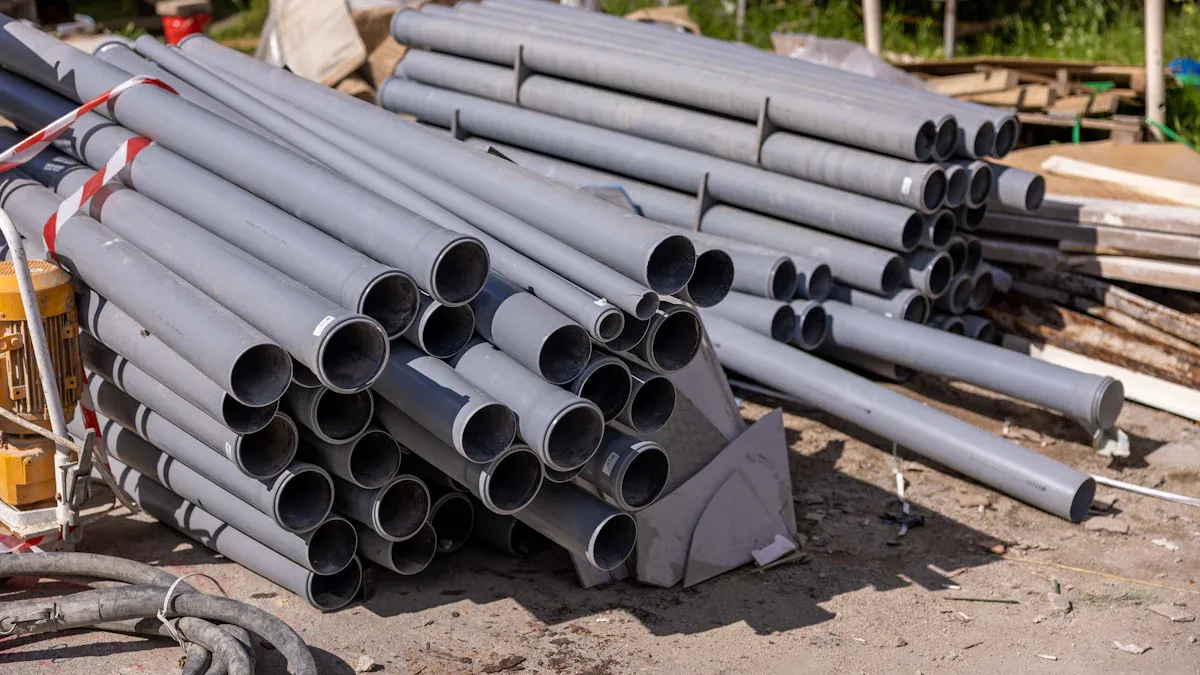
Chinese manufacturers leverage extensive production capabilities. This directly translates into highly competitive pricing for PPR pipes and fittings. China’s position as a global manufacturing hub for PPR pipes and fittings stems from its advanced production technology, strict quality control, and cost-effective operations. Manufacturers utilize state-of-the-art, largely automated production lines. This ensures high efficiency and consistent product quality. These factors are key drivers for overall cost-effectiveness. The competitive pricing, often a direct result of large-scale production, combined with superior product quality, makes these companies preferred partners across various industries, including construction and agriculture. Businesses sourcing PPR Pipes & Fittings wholesale benefit significantly from these economies of scale.
Expertise in Global Export and Compliance
One-stop Chinese manufacturers possess extensive experience in global export. They navigate complex international regulations with ease. These manufacturers typically comply with a wide array of international standards, ensuring product suitability for diverse markets.
Key International Standards Met by Chinese Manufacturers:
- ISO 15874: Specifies requirements for polypropylene piping systems for hot and cold water installations.
- EN 15874: The European equivalent for hot and cold water installations.
- ASTM F2389: The American standard for pressure-rated polypropylene pipes and fittings.
- DIN 8077/8078: German standards for PP pipes and fittings.
- GB/T 18742: The Chinese national standard for polypropylene piping systems.
- NBR 15884: The Brazilian standard for plastic piping systems.
- EN 12201: A series of standards for water supply systems, including PPR pipes, covering raw material quality and installation.
For example, Donsen, established in 1996, has over 20 years of experience. The company has passed numerous certifications, including CE certification for the European Union, NSF certification in the USA, SABs certification in South Africa, GOST certification in Russia, WRAS certification in England, SIAA certification in Japan, and Germany’s SKZ certification. This broad compliance ensures products meet stringent quality and safety requirements worldwide. Manufacturers like Donsen export to over 100 countries, demonstrating their deep understanding of global market demands and logistical complexities for PPR Pipes & Fittings wholesale.
Innovation and Customization Capabilities
Chinese one-stop manufacturers continuously drive innovation in the plastic piping industry. They invest heavily in research and development. Companies like Zhejiang Weixing New Building Materials Co., Ltd. collaborate with research institutions to integrate the latest technologies. Shanghai White-Horse Pipe Industry Co., Ltd. combines modern techniques with craftsmanship for pipes offering aesthetic design, high-pressure resistance, and noise reduction. Guangdong Zhongshan Pipe Industry Co., Ltd. develops specialized salt-water resistant and anti-static PPR pipes. Tianjin Tianbao Pipe Industry Co., Ltd. focuses on anti-bacterial properties. Wanhua Chemical Group Co., Ltd. enhances pipe performance at a molecular level, focusing on material purity and anti-UV performance. Jiangsu Feilong Pipe Industry Co., Ltd. explores new materials for high-precision manufacturing, fire-resistance, and anti-aging properties.
The Chinese PPR pipe market also shows innovation in extrusion technology, automation, and smart manufacturing. There is a strong push towards high-efficiency extrusion and integrated quality control systems, influenced by Industry 4.0 principles. The industry also moves towards sustainable and eco-friendly solutions.
One-stop manufacturers offer extensive customization options to meet specific project needs.
- Tailored Dimensions and Shapes: Manufacturers design fittings to specific dimensions or shapes for unique installation environments.
- Branding and Color Options: Clients can brand or color custom fittings for system organization or brand consistency.
- Variety of Pipe Types: Options include Pure PPR Pipe, PPR Fiber-Glass Composite Pipe, PPR-AL-PPR Pipe, and PPR-AL Stabi Pipe.
- Pressure Ratings: Available in PN 12.5, PN 16, PN 20, and PN 25.
- Color Options: Standard colors include green, white, grey, yellow, blue, and coffee, with customized colors also available.
- Size Range: Pipes are available in sizes from 20mm to 160mm.
- Specific Fitting Types: A wide range of fittings can be customized, including sockets, elbows, tees, unions, end caps, crossovers, pipe clips, plugs, manifolds, filters, and various types of valves (ball, check, concealed, stop, radiator, mini, gate).
Donsen, for instance, offers a comprehensive product system. This includes PP-R pipes and fittings, PP compression fittings, C-PVC pipes and fittings, U-PVC pipes and fittings, PE pipes and fittings, PE-RT floor heating pipes, plastic moulds, and various plastic valves. They adopt imported high-quality raw materials and advanced production lines, such as fiberglass production lines and PPR brass and plastic production lines, to ensure product quality and meet diverse customization demands.
Key Considerations for Partner Selection
Due Diligence and Vetting Processes
Businesses must conduct thorough due diligence when selecting a one-stop plastic piping manufacturer. This process begins by shortlisting manufacturers. Companies should select those specializing in required components and possessing experience with international clients. This indicates familiarity with Western quality standards and logistics. Next, verify credentials. Confirm the manufacturer operates as a direct factory, not a middleman. Assess their technical expertise and production capacity. Request business licenses, certifications, audited accounts, VAT invoices, and product samples. Obtain the factory’s Chinese name, location, and the local government office responsible for its registration. This allows verification against official records. Utilize knowledge of regional manufacturing concentrations, like plastic molding in Zhejiang province, to distinguish genuine manufacturers from resellers.
During vetting, evaluate key performance indicators (KPIs). Direct manufacturers should provide detailed insights into their production capabilities. This includes factory size, equipment types, and workforce numbers. For example, a company with 17 years of experience and a 28,000+ m² facility indicates stability and investment. Aim for an on-time delivery rate of 94% or higher to avoid project delays. An ideal response time is two hours or less. This supports agile decision-making and issue resolution. A high reorder rate, above 40%, signifies customer satisfaction and consistent quality. Verify compliance with international standards. These include ISO 9001 for quality management, ASTM D1785 for PVC pipe specifications, NSF/ANSI 61 for drinking water components, and CE marking for EU market access.
Contractual Agreements and IP Protection
Robust contractual agreements are essential for safeguarding business interests. Implement non-disclosure agreements (NDAs) and non-compete clauses. These legally bind partners to confidentiality. They prevent partners from using your innovations. Such agreements should include penalties for breaches and outline dispute resolution mechanisms. Protecting intellectual property (IP) is crucial. Register IP rights in China. This includes patents, trademarks, and copyrights. China operates on a first-to-file system. Local registration provides a stronger legal standing for enforcement through Chinese courts. Engaging local IP experts is crucial for navigating regulatory requirements and ensuring timely renewals.
Protect trade secrets and confidential business information. Use NDAs with employees, suppliers, and partners. Implement non-compete and non-circumvention clauses. Restrict internal access to sensitive data. For enforcement, file complaints with IP authorities like the China National Intellectual Property Administration (CNIPA). Record IP rights with Chinese Customs to detain and seize counterfeit goods. Utilize specialized IP courts in major cities for efficient legal proceedings. Arbitration, such as CIETAC, is preferred for cross-border disputes due to confidentiality and international enforceability. Mediation offers amicable settlements. In significant infringement cases, criminal prosecution can lead to fines and imprisonment.
Opting for a one-stop plastic piping manufacturer in China fundamentally reduces supply chain risks. This strategic decision centralizes control. It enhances product quality and optimizes logistics. Businesses also achieve significant cost efficiencies. This approach leads to a more resilient and predictable sourcing strategy. Companies can confidently manage their procurement, including PPR Pipes & Fittings wholesale, ensuring stable operations.
FAQ
What are the primary advantages of choosing a one-stop plastic piping manufacturer?
A one-stop manufacturer simplifies your supply chain. It offers a single point of contact for all needs. This approach streamlines communication and enhances accountability. It also ensures consistent product quality across all components. This leads to optimized logistics and reduced lead times.
How do one-stop manufacturers ensure product quality and consistency?
These manufacturers implement uniform quality standards. They use high-quality raw materials and advanced production lines. Many hold international certifications like CE, NSF, and SKZ. This guarantees every product, from pipes to fittings, meets stringent quality benchmarks.
Can a Chinese one-stop manufacturer manage global export and compliance?
Yes, many Chinese manufacturers have extensive global export experience. They understand complex international regulations. They comply with various international standards, such as ISO, ASTM, and EN. This ensures products meet diverse market requirements worldwide.
What customization options do these manufacturers typically provide?
Manufacturers offer extensive customization. They tailor dimensions, shapes, and branding. You can choose from various pipe types, pressure ratings, and colors. They also customize specific fitting types, including valves and connectors, to meet project needs.