PPR Pipes and Fittings The Ultimate Guide for Water Supply and Irrigation
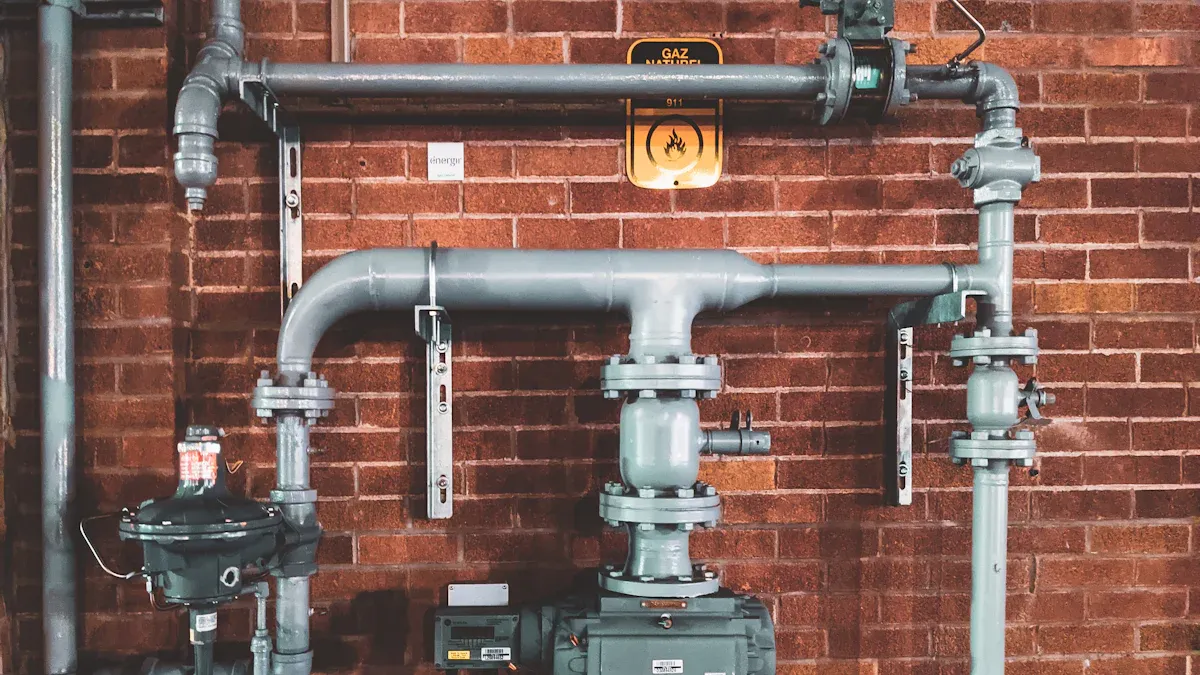
You can choose PPR Pipes & Fittings for a superior solution in modern water systems. This technology delivers exceptional durability and safety for potable water. The system’s core advantage lies in heat-fused joints. These joints create a monolithic, leak-proof network, guaranteeing long-term reliability. This ensures superior performance for both high-pressure supply and irrigation. While solutions like a PP Compression Fitting, CPVC Pipes & Fittings, PE Pipes & Fittings, and the HDPE drainage syste have their place, PPR’s growing adoption is clear.
Projected Market Growth (CAGR)
| Source | Projected Growth | Timeframe |
| DataIntelo | 5.8% | 2024-2032 |
| Verified Market Research | 7.2% | 2024-2032 |
| MarketGrowthReports.com | 8.7% | 2026-2035 |
Key Takeaways
- PPR pipes are strong and safe for drinking water. They do not rust or corrode.
- Choose the right PPR pipe for your project. Match its pressure rating to the water temperature.
- Always use heat fusion to join PPR pipes. This makes a strong, leak-proof connection.
- Check for quality certifications like ISO, DIN, NSF, and WRAS. These ensure the pipes are safe and durable.
- Test your new PPR system with pressure. This confirms there are no leaks before you finish the job.
What Are PPR Pipes & Fittings?
PPR Pipes & Fittings offer a robust and modern solution for plumbing systems. Understanding their composition and advantages helps you see why they are a premier choice for water transport.
Defining Polypropylene Random Copolymer (PPR)
PPR stands for Polypropylene Random Copolymer. This material is a type of thermoplastic engineered for strength and purity. Its chemical structure primarily consists of propylene molecules. The manufacturing process randomly inserts a small amount of ethylene molecules into the polymer chain. This unique molecular structure gives PPR its enhanced flexibility, durability, and excellent resistance to high temperatures, making it distinct from standard polypropylene.
Core Advantages: Durability, Heat Resistance, and Safety
You gain significant long-term benefits when you choose a PPR system. The material is chemically inert, which provides a major advantage for delivering safe, potable water.
- No Corrosion or Scale: Unlike metal pipes, PPR does not rust, corrode, or develop mineral scale buildup. Its incredibly smooth inner surface prevents deposits from sticking, ensuring a consistent flow rate for decades.
- Chemical Resistance: The system safely transports a wide range of fluids without degrading, protecting water quality.
- High Durability: PPR is resistant to impact and abrasion, reducing the risk of damage during installation and operation.
Note: The smooth interior of PPR not only maintains water pressure but also helps protect your appliances from sediment and scale, extending their operational life.
PPR vs. Other Materials: A Comparison with PVC, Copper, and Steel
When you evaluate plumbing materials, PPR demonstrates clear advantages over traditional options. It combines the best qualities of plastic and avoids the drawbacks of metal. While PVC is common, it cannot handle the same thermal stress as PPR.
| Pipe Type | Maximum Working Temperature |
|---|---|
| PPR | 95°C (203°F) |
| PVC | 60°C (140°F) |
Compared to copper and steel, PPR is completely immune to rust and electrolytic corrosion. It is also lighter and easier to install, which reduces labor time and costs. The heat-fused joints create a seamless, monolithic system that eliminates the risk of leaks common in threaded or soldered metal pipes.
Selecting the Right PPR Products for Your Project
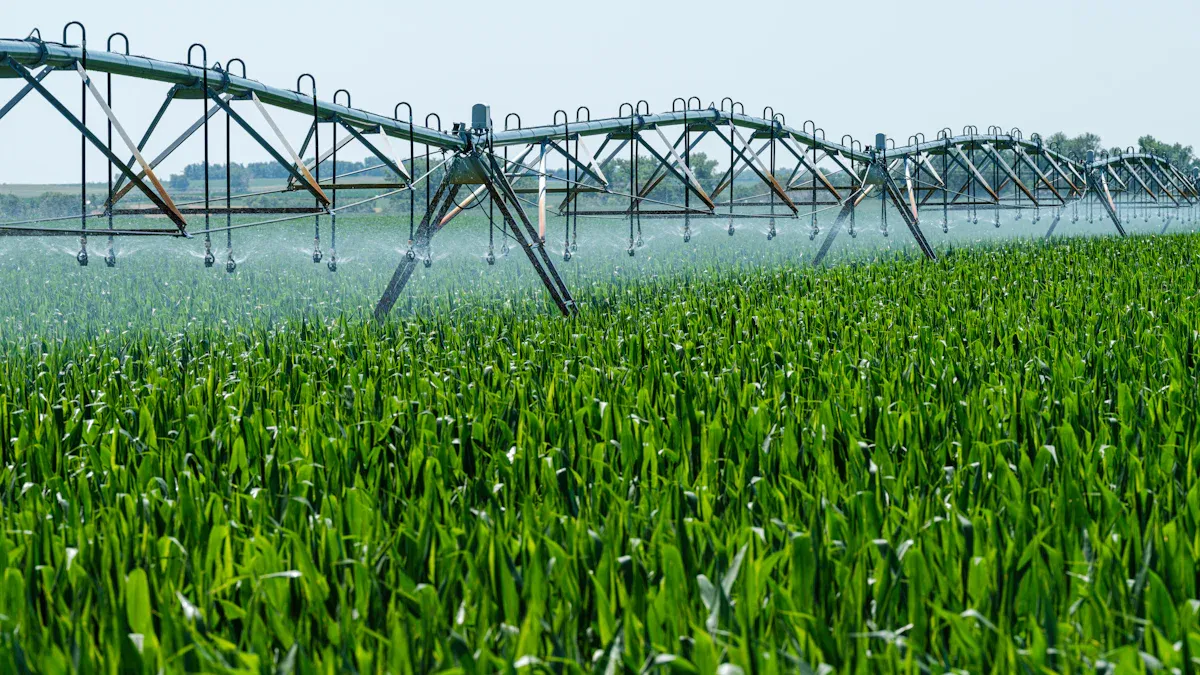
Choosing the correct components is critical for the success and longevity of your plumbing system. You need to match the pipes and fittings to your project’s specific demands, from pressure and temperature to the application itself. This ensures a safe, efficient, and leak-proof installation.
Understanding Pressure Ratings: PN10, PN16, PN20, and PN25
The “PN” rating on a PPR pipe indicates its nominal pressure rating in bars at a baseline temperature of 20°C (68°F). Selecting the right PN rating is the first step to guaranteeing your system’s integrity.
- PN10: Suitable for cold water distribution systems or low-pressure irrigation lines.
- PN16: Commonly used for higher-pressure cold water supply lines and some low-temperature heating systems.
- PN20: The standard for residential hot and cold water supply, capable of handling the temperatures and pressures found in most homes and buildings.
- PN25: Designed for high-pressure and high-temperature applications, such as centralized heating systems, industrial uses, or main supply lines in large buildings.
Important Note on Temperature
You must account for your system’s operating temperature. The mechanical strength of PPR diminishes as temperature rises, which reduces its maximum allowable pressure. For example, a PN20 pipe rated for 20 bar at 20°C might only be safe for approximately 8–10 bar at 70°C. Always consult the manufacturer’s derating charts to confirm the pipe’s pressure capacity at your project’s highest expected temperature.
A Guide to Essential PPR Fittings and Their Functions
Fittings are the components that connect pipes and direct the flow of water. Using high-quality, compatible PPR Pipes & Fittings is essential for creating the monolithic, fused system that makes this technology so reliable. Below are some of the most common fittings you will use.
| Fitting Type | Function | Common Use Cases |
|---|---|---|
| Elbow (90° & 45°) | Changes the direction of the pipeline. | Navigating corners and obstacles in walls or ceilings. |
| Coupling | Joins two pipes of the same diameter in a straight line. | Extending the length of a pipe run. |
| Tee | Creates a 90-degree branch from a main line. | Splitting a supply line to serve multiple fixtures. |
| Reducer | Connects two pipes of different diameters. | Transitioning from a larger main line to a smaller branch line. |
| End Cap | Seals the end of a pipe. | Terminating a pipeline or for pressure testing. |
| Union | Allows for easy disconnection of pipes. | Installing pumps, tanks, or equipment that may need future maintenance. |
| Valve (Ball/Gate) | Controls or stops the flow of water. | Isolating sections of the system for maintenance or emergency shutoff. |
How to Choose for Potable Water vs. Irrigation Systems
While PPR is versatile, your specific application dictates the best product choice. You should tailor your selection to meet the distinct needs of drinking water and irrigation systems.
For Potable Water Systems:
Your primary concerns are safety and performance under temperature stress.
- Safety First: Choose pipes and fittings that are certified for potable water, such as those with NSF, WRAS, or similar certifications. This guarantees the material is non-toxic and will not leach harmful chemicals into your drinking water.
- Handle the Heat: For hot water lines, you must use a pipe with an appropriate pressure rating for elevated temperatures, typically PN20 or PN25. Using a lower-rated pipe like PN10 for hot water can lead to premature failure.
For Irrigation Systems:
Your focus shifts toward durability, flow rate, and cost-effectiveness.
- Pressure and Flow: Most irrigation systems operate with cold water at lower pressures. PN10 or PN16 pipes are often sufficient and provide a more economical solution.
- Durability: The system must withstand environmental factors. PPR’s inherent resistance to abrasion and impact makes it an excellent choice for agricultural or garden systems where equipment and soil movement are common.
By carefully matching the PN rating and fitting types to your project’s requirements, you build a system that is not only reliable but also optimized for its specific task.
Verifying Quality: Key Certifications (ISO, DIN, NSF, WRAS)
You invest in a PPR system for its long-term reliability. Certifications are your proof of that quality. These official approvals from independent global bodies verify that the pipes and fittings meet strict standards for safety, durability, and performance. When you select certified products, you are not just buying a pipe; you are securing peace of mind. Leading manufacturers, like those with decades of experience since 1996, pursue these certifications to demonstrate their commitment to excellence.
Let’s explore the key certifications you should look for.
ISO and DIN: The Foundation of Manufacturing Excellence
ISO (International Organization for Standardization) and DIN (German Institute for Standardization) are world-renowned standards that define manufacturing quality. Certifications like ISO 15874 and DIN 8077/8078 are specific to plastic piping systems. They ensure every component is produced correctly from start to finish.
A manufacturer with these certifications follows a rigorous quality control process. This process includes:
- Raw Material Assessment: Testing the polypropylene to ensure its purity and quality.
- Dimensional Accuracy Checks: Verifying the pipe’s diameter, wall thickness, and length match exact specifications.
- Mechanical Tests: Evaluating tensile strength and impact resistance to confirm the pipe’s toughness.
- Hydrostatic Pressure Tests: Subjecting pipes and fittings to high internal pressures to simulate real-world stress and guarantee they will not leak or burst.
- Heat and Aging Tests: Exposing products to high temperatures over time to assess material stability and resistance to thermal stress.
NSF and WRAS: Your Guarantee of Safe Drinking Water
While ISO and DIN focus on manufacturing quality, other certifications confirm the product is safe for potable water. NSF and WRAS are two of the most respected approvals in this area.
NSF International is the leading certification body in North America for water safety. If your project involves drinking water, you should look for products compliant with these standards:
- NSF/ANSI 61: This standard ensures that no harmful chemicals or contaminants will leach from the pipe material into your water. It sets strict limits on substances like lead or vinyl chloride.
- NSF/ANSI 372: This certification specifically addresses lead content. It mandates that the wetted surfaces of pipes and fittings contain an average maximum of 0.25% lead, ensuring your water remains safe.
WRAS (Water Regulations Advisory Scheme) is the equivalent approval for products used in the UK’s public water supply. A WRAS-approved product has been thoroughly tested to prove it will not cause waste, misuse, or contamination of the water supply.
The WRAS approval process is comprehensive. It confirms that products meet strict criteria for both their material composition and their functional performance. Key evaluations include:
- Impact on water quality: Products undergo testing according to British Standard BS 6920 to ensure they do not affect the taste, color, or safety of the water.
- Mechanical and Functional Testing: Components are tested to verify they perform correctly and reliably under pressure.
Ultimately, choosing PPR products that carry these certifications is the smartest way to protect your investment. They are a clear sign that the manufacturer is dedicated to providing a safe, durable, and high-performance system for any application, from home plumbing to large-scale agricultural irrigation.
Installation Guide for a Leak-Proof PPR System

Proper installation is the final, critical step to unlocking the full potential of your PPR system. The heat fusion welding process creates a permanent, monolithic bond that is stronger than the pipe itself. Following a precise methodology ensures your system will be completely leak-proof and provide decades of reliable service. This guide gives you the professional knowledge to execute a flawless installation.
Essential Tools for Heat Fusion Welding
You cannot achieve a professional result without the right equipment. Assembling a complete toolkit before you begin saves time and prevents costly errors. For a successful installation of PPR Pipes & Fittings, you will need a specific set of tools designed for the job.
Here is a checklist of the essential items for your project:
- High-Quality Pipe Cutter: This tool provides a clean, square cut, which is essential for a perfect weld.
- PPR Welding Machine: The core tool for heat fusion. Its quality directly impacts the joint’s integrity.
- PPR Pipes and Fittings: Ensure you have the correct sizes and types for your layout.
- Measuring Tape: Accuracy is key. Measure twice and cut once.
- Cleaning Cloth and Isopropyl Alcohol: You must clean all surfaces before welding to remove dirt and oils.
- Depth Gauge or Marker: Use this to mark the correct insertion depth on the pipe.
- Pipe Reamer/Deburring Tool: If you use a saw instead of a cutter, you must use this to remove burrs from the pipe end.
Your most important tool is the heat fusion welder. Choosing a professional-grade machine ensures you achieve the correct temperature for a strong, reliable bond.
Pro Tip: A welder with a digital thermostat provides far greater accuracy than an analog model, preventing underheating or overheating.
| Specification Category | Details for Professional-Grade PPR Welding Machines |
|---|---|
| Heating Plate Size | Must match your pipe diameter. Common welders handle 20-63mm for residential jobs, while larger machines (up to 160mm+) are for industrial lines. |
| Heating Power (Wattage) | Power must be sufficient for the plate size. A machine for pipes up to 63mm typically requires 800-1000W for stable heat. |
| Temperature Control | Precision is non-negotiable. The welder must maintain a stable temperature of 260°C (500°F) to properly melt the material without burning it. |
| Heating Plate Coating | A high-quality, non-stick coating (like PTFE) prevents molten plastic from sticking and ensures a clean transfer of heat. |
Step-by-Step Guide to the Fusion Welding Process
Socket fusion welding is a straightforward process, but it demands precision at every stage. Each step builds on the last to create a perfect, permanent joint. Follow this guide carefully for a leak-proof connection every time.
- Prepare the Welder: Install the correct size heating sockets (male and female dies) onto the heating plate. Turn the machine on and allow it to reach its preset operating temperature of 260°C. Most welders have an indicator light that signals when it is ready.
- Cut the Pipe: Use your PPR pipe cutter to make a clean, straight cut at a 90° angle. A square cut ensures the pipe end makes full contact with the fitting shoulder during fusion.
- Clean and Mark the Components: Wipe the end of the pipe and the inside of the fitting with a clean cloth and isopropyl alcohol. This removes any dust, grease, or moisture that could weaken the joint. Next, use a depth gauge to mark the welding depth on the pipe. This prevents you from pushing the pipe too far into the fitting, which can restrict flow.
- Heat the Pipe and Fitting: Simultaneously push the pipe into the female heating die and the fitting onto the male heating die. Push them straight on until the pipe reaches your depth mark. Hold them in place for the manufacturer-specified heating time, which varies by pipe diameter.
- Join and Cool the Components: After the heating time is complete, quickly and smoothly remove both components from the welder. Immediately push the pipe straight into the fitting until it reaches the depth mark. Do not twist or adjust the components. Hold the joint firmly in place for the recommended cooling time. A uniform, double ring of molten material should form around the connection point, signaling a successful weld.
Critical Warning
Never twist the pipe or fitting during the joining process. Twisting disrupts the molecular bond and will create a weak joint that is likely to fail under pressure.
Common Installation Mistakes and How to Avoid Them
Even a small error during installation can compromise the entire system. Knowing the most common mistakes helps you avoid them and ensures every joint is perfect.
1. Improper Pipe Preparation
A poor cut is the source of many joint failures. Using a hacksaw leaves behind burrs and an uneven surface. These imperfections can lead to serious problems.
- Air Pockets: Burrs can trap air in the weld, creating voids that weaken the joint.
- Contamination: Plastic shavings can melt into the joint, creating a failure point.
- Incomplete Fusion: An uneven pipe end will not make full contact with the fitting, resulting in a partial, weak bond.
| Cutting Method | Result | Action Required |
|---|---|---|
| Precision Pipe Cutter | Clean, square cut | Ready to weld immediately |
| Hacksaw or Other Saw | Ragged cut with burrs | Must deburr and clean before welding |
2. Incorrect Heating (Time and Temperature)
Applying the wrong amount of heat is the most common welding defect. Both too little and too much heat will ruin the joint. You can identify these errors by looking at the bead that forms around the connection.
- Cold Fusion (Underheating): This happens when the material is not heated long enough. The resulting bond is weak and has a thin, incomplete bead. It will not withstand system pressure.
- Over-fusion (Overheating): This occurs when the components are left on the welder for too long. The material degrades, and a large, distorted bead forms. This can also create an internal blockage that restricts water flow.
3. Misalignment During Connection
After heating, you must push the pipe and fitting together in a straight line. If you connect them at an angle, the joint will be stressed and uneven. This creates a weak spot that is prone to leaking over time. Always ensure a straight, confident push until the pipe reaches its marked depth.
How to Properly Pressure Test a New Installation
You have cut, welded, and assembled your PPR system. Now you must perform the most important quality control step: the pressure test. This hydrostatic test validates the integrity of every joint you made. It is your final confirmation that the system is 100% leak-proof before you conceal it behind walls or under floors. Skipping this step risks catastrophic water damage down the line.
A proper pressure test involves filling the system with water and pressurizing it to a level far higher than its normal operating pressure. This process exposes any potential weaknesses in the welds or fittings.
Key Test Parameters
You must test your system according to established standards to guarantee its safety and reliability. The goal is to subject the pipeline to a significant stress test.
- Test Pressure: Pressurize the system to 1.5 times its intended working pressure.
- Minimum Pressure: The test pressure should never be less than 0.6 MPa (approximately 87 PSI). For most residential systems, a standard test pressure of 0.8 MPa (116 PSI) is common.
- Test Duration: You need to hold this pressure for a set period to check for slow leaks. The initial observation period is typically 15-30 minutes.
The Step-by-Step Testing Procedure
Follow these steps precisely to conduct a professional and accurate pressure test.
- Fill the System: Close all final outlets (like taps or fixture connections) with temporary plugs or caps. Connect a water source to the lowest point in the system and slowly fill the entire pipeline.
- Bleed the Air: Open the highest point in the system to allow all trapped air to escape. Air compresses under pressure and can give you a false reading on the gauge. You must ensure the system is filled only with water. Once a steady stream of water flows from the highest point, seal it.
- Connect the Test Pump: Isolate the system from its main water supply. Connect a manual or electric hydrostatic test pump, which includes an integrated pressure gauge, to an accessible point in the pipeline.
- Pressurize the System: Slowly pump water into the system until the pressure gauge reaches your target test pressure (e.g., 0.8 MPa). Do not rush this step.
- Hold and Inspect: Start your timer for 30 minutes. During this time, you should meticulously inspect every single joint, fitting, and connection point for any signs of moisture, drips, or leaks. Pay close attention to the bead around each weld.
- Monitor the Gauge: After the initial 30-minute inspection period, check the pressure gauge. A well-installed system will show a minimal drop in pressure.
What to Look For on the Gauge
The pressure drop within the first 30 minutes should not exceed 0.05 MPa (approximately 7 PSI). A small drop can occur as the plastic pipe material slightly expands under pressure. A significant or continuous drop, however, indicates a leak.
Interpreting Your Test Results
Your observations during the test will tell you if the installation was a success or if you need to make corrections.
| Test Outcome | Pressure Gauge Reading | What It Means | Your Next Step |
|---|---|---|---|
| Pass | Stable pressure or a drop of less than 0.05 MPa in 30 minutes. | Your system is secure and leak-proof. The welds are strong. | Document the results, relieve the pressure, and proceed with the project. |
| Fail | A pressure drop greater than 0.05 MPa or a visible leak. | There is a weak point in the system that must be fixed. | Depressurize and drain the system. Locate the faulty joint, cut it out, and weld a new section correctly. Retest the entire system. |
Properly executing and documenting this pressure test is the hallmark of a professional installation. It provides you and the property owner with the ultimate confidence in the long-term performance of the PPR water supply system.
Maintenance and Long-Term Performance
You chose a PPR system for its reliability, and with minimal effort, you can ensure it performs flawlessly for decades. Unlike metal systems that require constant vigilance against corrosion, PPR’s main advantage is its low-maintenance nature. A few simple practices will help you protect your investment and guarantee its long-term integrity.
Best Practices for Routine System Inspections
You can keep your system in top condition with simple visual checks. We recommend you conduct a brief inspection at least once a year.
- Examine Visible Pipes: Look for any signs of physical damage, such as cracks, bulges, or discoloration.
- Check Connections: Pay close attention to joints and fittings. Look for any moisture or mineral deposits (a white, chalky substance), which could indicate a very slow leak.
- Monitor Pressure: If your system has a pressure gauge, check it periodically. A stable reading confirms the system is secure.
Troubleshooting Common Issues like Pressure Loss
A sudden drop in water pressure often signals a leak. If you suspect a problem, you can perform a quick diagnosis. Most issues originate from a few key areas. Improperly fused socket joints are a primary failure point, so you should start your inspection there.
Where to Look First for Leaks
- Joints and Fittings: Visually inspect every weld for drips or water stains.
- Pipe Bends: Sharp turns are high-stress areas. Check them carefully for any fine cracks.
- Wall Penetrations: Look for dampness where pipes enter or exit walls, as settling can stress these connections.
A significant pressure drop without a visible leak might also point to a blockage within the pipes.
The Expected 50+ Year Lifespan of a PPR System
When you install high-quality PPR Pipes & Fittings correctly, you can expect them to last over 50 years. This remarkable longevity comes from the material’s inherent strengths. PPR is immune to rust and scale buildup, which preserves water flow and quality over its entire service life. The material also handles temperature changes well, expanding and contracting without developing stress fractures. This durability, combined with leak-proof fusion welds, makes a PPR system a true long-term solution for any water supply or irrigation project.
Why Choose an Integrated PPR Solution for Global Projects?
When you manage a large-scale water supply or irrigation project, especially one spanning international borders, your choice of supplier becomes as critical as the products themselves. You can simplify complexity and enhance reliability by choosing an integrated PPR solution. This approach provides a strategic advantage that goes far beyond just purchasing pipes.
The Value of a Single-Source Supplier
You gain significant efficiency when you partner with a single-source supplier. Managing fewer relationships simplifies your entire procurement process. This consolidation reduces logistical complexity and gives you greater control over your project’s timeline and budget. A single, dedicated partner understands your project’s full scope, leading to faster decisions and clearer communication.
This streamlined approach delivers multiple benefits:
- Simplified Logistics: You centralize your supply chain management for pipes, fittings, and valves.
- Improved Timelines: A single point of contact provides clear visibility into inventory and helps prevent delays.
- Lower Costs: You can optimize expenses through consolidated purchasing power.
- Greater Predictability: You achieve better overall performance and project delivery times.
Ensuring Product Consistency Across Pipes, Fittings, and Valves
A PPR system’s strength comes from the perfect fusion of its components. You must ensure every pipe, fitting, and valve is designed to work together. When you source all parts from one manufacturer, you guarantee absolute compatibility. The materials share the same thermal properties and dimensional tolerances. This consistency is essential for creating strong, leak-proof fusion welds that last for decades. Mixing components from different suppliers introduces variables that can compromise the integrity of your entire system.
Streamlining Procurement for International Projects
Global projects introduce unique logistical challenges. You face unpredictable shipping schedules, high freight costs, and complex customs procedures when dealing with multiple international vendors. A single-source supplier eliminates these headaches.
International shipping is governed by complex regulations. Any discrepancy in documentation can cause your shipment to be held by customs, leading to storage charges and significant project delays.
By consolidating your order with one expert supplier, you navigate these issues effectively. You get one shipment, one set of customs paperwork, and one point of contact. This dramatically reduces your administrative burden and protects your project from the tariff volatility and port congestion that can derail timelines and budgets.
You can see that PPR Pipes & Fittings are a superior long-term investment. They offer unmatched reliability for both water supply and irrigation. By choosing a high-quality, certified system, you ensure decades of leak-proof service. You also significantly reduce maintenance costs, with projections showing savings of 60-80% over the system’s lifespan compared to metal pipes. To secure a comprehensive solution for your next project, you should partner with a trusted supplier offering a complete range of integrated PPR products.
FAQ
Can you connect PPR to other pipe materials?
Yes, you can connect PPR to materials like copper or steel. You must use special transition fittings for this purpose. These fittings typically have a PPR socket on one end and metal threads (male or female) on the other, ensuring a secure, leak-proof connection between the different systems.
Is PPR safe for drinking water?
Absolutely. You can confidently use PPR for potable water. High-quality PPR is non-toxic and does not leach chemicals. To guarantee safety, you should always choose products with certifications like NSF/ANSI 61 and WRAS, which confirm the material is safe for contact with drinking water.
How do you repair a damaged PPR pipe?
You can repair a damaged PPR pipe easily. The process involves a few simple steps:
- Cut out the damaged section of the pipe.
- Use two couplings and a new piece of pipe.
- Weld the new section into place using the standard heat fusion method.
Can you use glue on PPR pipes?
No, you must never use glue or solvent cement on PPR pipes. The material’s chemical structure requires heat fusion welding for a proper bond. Glue will not create a permanent or reliable joint, leading to certain system failure and leaks under pressure.