- Home
- News
- PPR Pipes and Fittings: Complete Selection Guide for Commercial & Industrial Plumbing Projects
PPR Pipes and Fittings: Complete Selection Guide for Commercial & Industrial Plumbing Projects
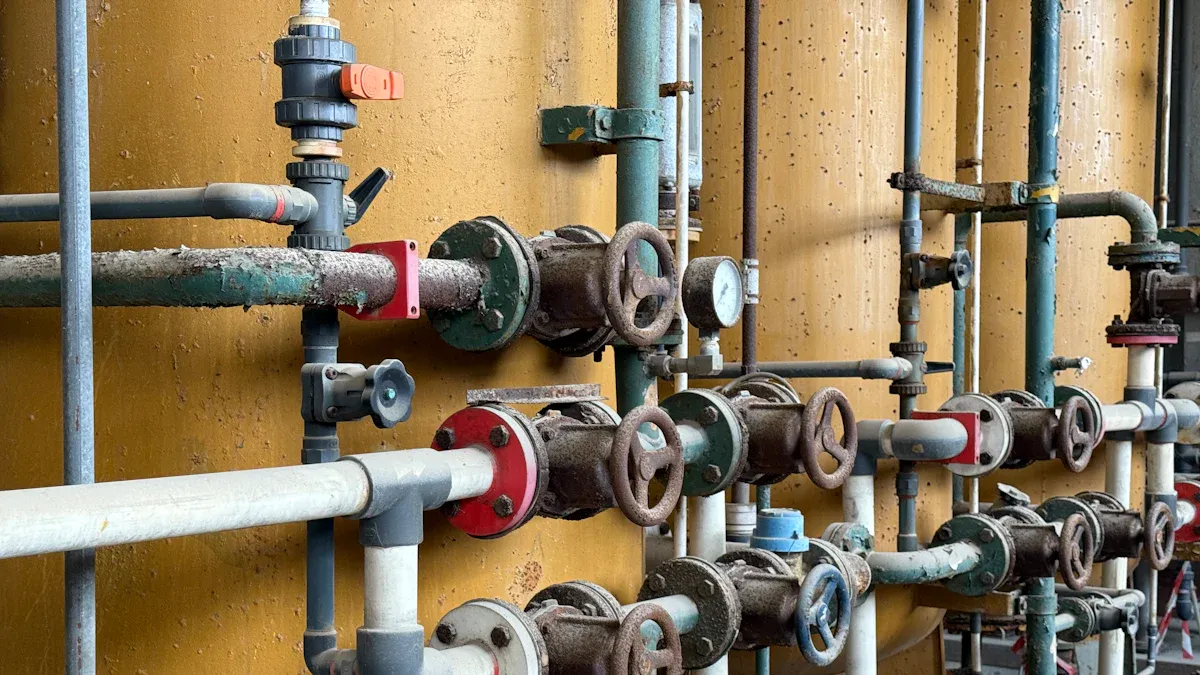
Selecting the right PPR pipes & fittings is crucial for any plumbing system solutions. These components significantly influence the efficiency and longevity of a project. Properly chosen PPR pipes & fittings ensure compliance with international pipe standards, which can prevent costly repairs and replacements. Additionally, understanding the differences between PPR push fittings vs threaded fittings helps in making informed decisions. Opting for the best PPR pipe fittings for potable water systems safeguards public health and enhances system performance. Furthermore, a PPR pipe ISO and EN standard comparison can provide valuable insights into the quality and reliability of the products used in your plumbing projects.
Key Takeaways
- Choosing the right PPR pipes and fittings is essential for efficient plumbing systems and can prevent costly repairs.
- PPR pipes are durable, corrosion-resistant, and have a long lifespan, making them a better choice than traditional materials like copper.
- Proper installation techniques, such as heat fusion, are crucial for ensuring leak-free connections in plumbing systems.
- Regular maintenance, including annual inspections and monitoring for leaks, helps extend the life of PPR pipes and fittings.
- Selecting high-quality products from reputable suppliers ensures compliance with international standards and enhances system reliability.
Characteristics of PPR Pipes and Fittings
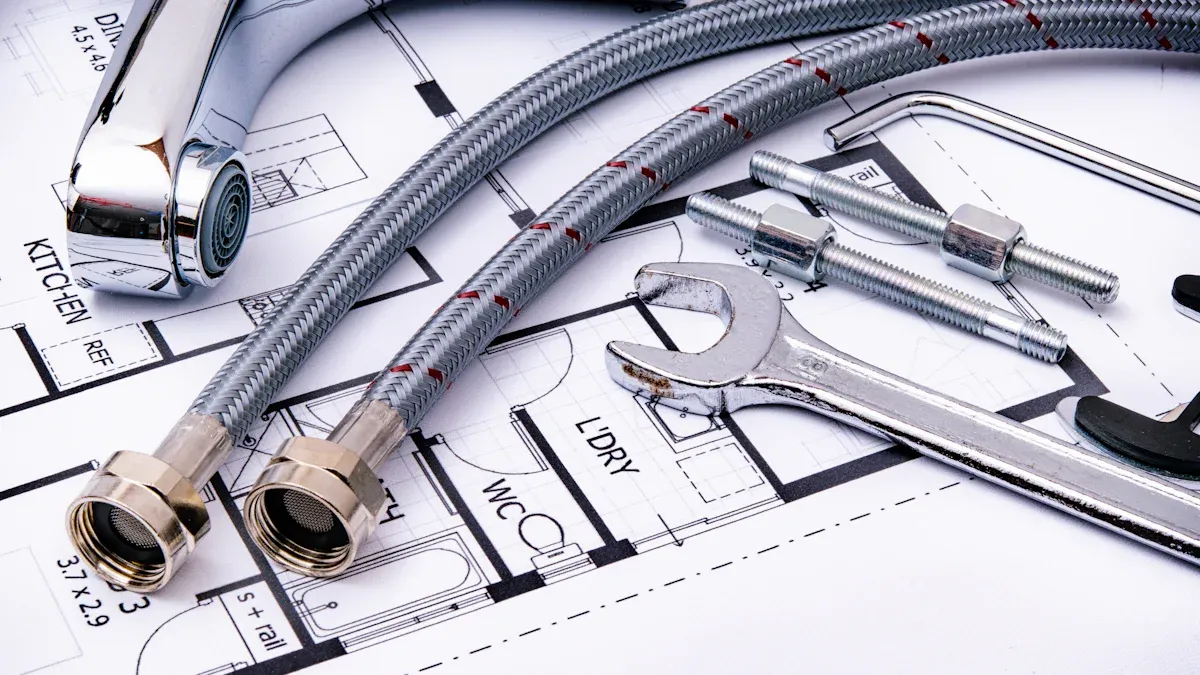
PPR pipes and fittings possess unique characteristics that make them suitable for various plumbing applications. Understanding these properties helps professionals select the right materials for their projects.
One of the primary features of PPR pipes is their chemical composition. Made from Polypropylene Random Copolymer, PPR exhibits strong carbon-carbon bonds, which contribute to its durability. This material’s crystallinity is another significant factor; higher crystallinity enhances chemical resistance, while amorphous regions provide flexibility.
PPR pipes demonstrate excellent resistance to both acids and bases. They maintain integrity when exposed to dilute and moderately concentrated acids, making them ideal for various industrial applications. Additionally, they show high resistance to common bases like sodium hydroxide, which is beneficial for wastewater systems.
Another notable characteristic is their organic solvent resistance. PPR pipes can withstand hydrocarbons, making them suitable for fuel-storage applications. However, caution is necessary when dealing with strong oxidizing agents, as PPR has moderate resistance to mild oxidizers.
The thermal resistance and pressure ratings of PPR pipes also stand out when compared to other materials. The following table summarizes these properties:
| Pipe Type | Thermal Resistance | Pressure Rating | Notes |
|---|---|---|---|
| PPR | Superior | High | Suitable for hot water applications, retains heat, and prevents condensation. |
| PVC | Brittle at low temperatures, softens above 60°C | Moderate | Not suitable for hot water systems. |
| Copper | Good | High | Prone to corrosion and heat loss, requires insulation. |
These characteristics make PPR pipes and fittings a reliable choice for commercial and industrial plumbing projects, ensuring long-lasting performance and efficiency.
Advantages of PPR Pipes & Fittings Over Traditional Materials
PPR pipes and fittings offer numerous advantages over traditional materials such as copper and galvanized steel. These benefits enhance their suitability for commercial and industrial plumbing projects.
- Durability and Lifespan: PPR pipes are highly durable and resistant to scaling and corrosion. In contrast, copper and galvanized steel pipes, while initially robust, are prone to rust over time. The following table highlights the differences in durability and lifespan:
Feature PPR Pipes Copper and Galvanized Steel Pipes Durability Highly durable, resistant to scaling and corrosion Initially robust but prone to rust over time Lifespan Long lifespan with minimal maintenance Reduced lifespan due to wear of zinc coating Maintenance Low maintenance requirements Requires regular maintenance to prevent rust - Cost-Effectiveness: Although traditional materials may appear cheaper initially, PPR systems often prove more cost-effective over time. The installation of PPR pipes incurs lower labor costs due to their lightweight nature and ease of handling. Additionally, PPR fittings require minimal maintenance, which reduces operational expenses. The heat fusion connection method used in PPR fittings creates a single homogenous unit, virtually eliminating the risk of leaks at joints. This significantly lowers maintenance and repair costs.
- Corrosion Resistance: PPR pipes are made from a durable thermoplastic that resists corrosion and chemicals. This ensures a long lifespan with minimal maintenance. In contrast, galvanized steel pipes, while coated with zinc to prevent rust, are susceptible to rusting over time, especially in aggressive water conditions.
- Energy Efficiency: PPR pipes exhibit low heat loss compared to traditional materials like copper or steel. This characteristic enhances energy efficiency in hot water systems, leading to reduced energy costs for heating.
- Environmental Impact: PPR pipes are made from recyclable thermoplastic material, which reduces environmental impact compared to non-recyclable PVC. The production of PPR pipes generates lower greenhouse gas emissions than PVC, which has a higher carbon footprint. Furthermore, PPR pipes require fewer natural resources for production, promoting resource conservation.
Types of PPR Fittings
PPR fittings come in various types, each serving specific functions in plumbing systems. Understanding these types helps professionals design and install efficient systems. Here are some of the most commonly used PPR fittings in commercial plumbing:
- Male threaded elbow
- Male threaded coupling
- Female threaded tee
- Female threaded elbow
- Female threaded coupling
- Threaded union with tee
- Equal tee
- Threaded union with elbow
- Elbow 90°
- Reducing tee
- Elbow 45°
- Reducer
Each fitting type plays a crucial role in the overall plumbing design. The following table outlines the functions of different PPR fittings:
| Fitting Type | Function Description |
|---|---|
| Elbow Fittings | Change the direction of a piping system, available in various angles (90°, 45°). |
| Tee Fittings | Branch off a pipe into two directions, essential for multiple connections. |
| Couplings | Connect two straight pieces of pipe, ensuring continuous water flow. |
| Adapters | Connect PPR pipes to other materials, ensuring compatibility. |
| End Caps | Close the end of a pipe to prevent leaks and maintain system integrity. |
For instance, PPR tees allow branching of pipes, distributing water from a main supply line. Elbows change the direction of piping at 45° or 90° angles, ensuring smooth flow. Couplers connect two pipes of the same diameter for continuous flow, while end caps seal pipe ends to prevent leaks during maintenance.
Selecting the right PPR pipes & fittings is essential for achieving optimal performance in plumbing systems.
Applications of PPR Pipes & Fittings
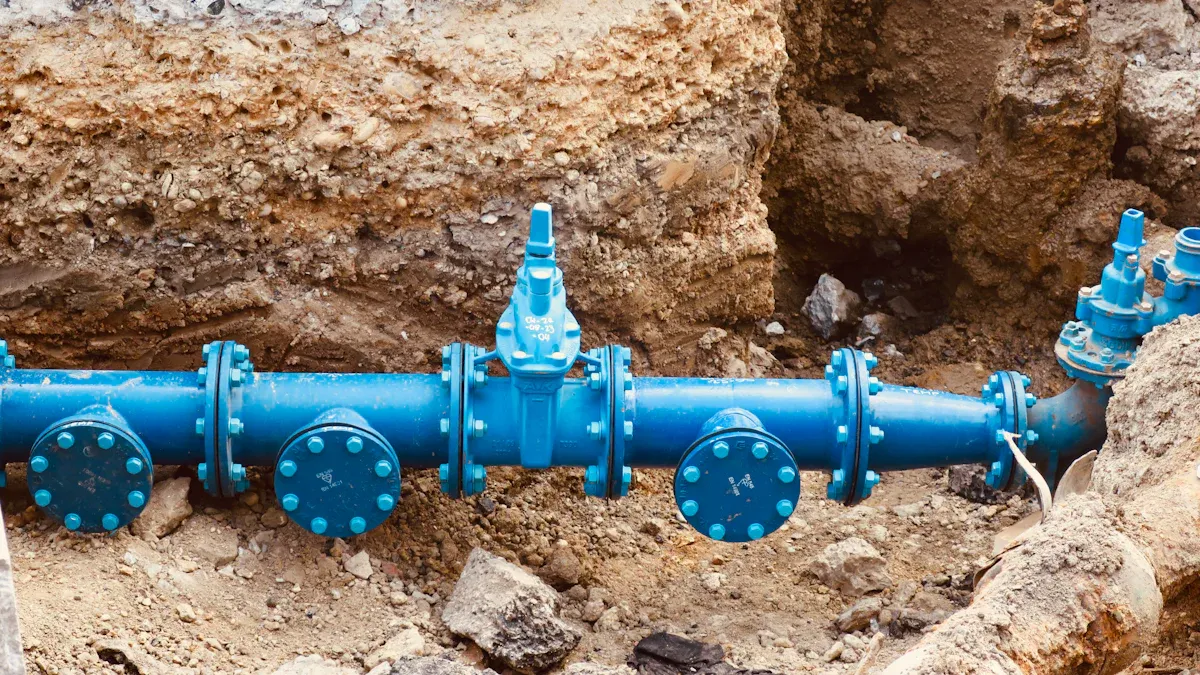
PPR pipes and fittings find extensive applications across various industries due to their unique properties. Their long lifespan, low maintenance requirements, non-toxic nature, energy efficiency, and chemical resistance make them a popular choice. Here are some key industries where PPR pipes and fittings are frequently utilized:
- Manufacturing: PPR pipes support general production processes, ensuring efficient fluid transport.
- Chemical Processing: These pipes handle chemicals safely, minimizing the risk of leaks and contamination.
- Construction: PPR fittings play a vital role in plumbing and infrastructure projects, providing reliable connections.
The following table summarizes specific applications of PPR pipes and fittings in different sectors:
| Industry | Application |
|---|---|
| Water Treatment Plants | Water purification and treatment |
| Food Production Plants | Safe transport of food substances |
In industrial settings, PPR pipes operate under specific conditions. They can withstand a maximum operating temperature of up to 70°C (158°F), making them suitable for hot water applications. The following table outlines the temperature limits of various pipe materials:
| Pipe Material | Maximum Operating Temperature |
|---|---|
| PPR | 70°C (158°F) |
| PVC | 60°C (140°F) |
| CPVC | 93°C (200°F) |
PPR fittings utilize the PN (Nominal Pressure) rating system, which indicates the maximum continuous operating pressure at a reference temperature of 20°C (68°F). For example, a PN 20 fitting can handle 20 bar at 20°C. However, it is essential to note that the pressure capacity decreases as fluid temperature rises, affecting mechanical strength.
Overall, the versatility and reliability of PPR pipes and fittings make them an excellent choice for various applications in commercial and industrial plumbing projects.
Comprehensive Buyer’s Guide for PPR Pipes & Fittings
When selecting PPR pipes and fittings for commercial and industrial projects, buyers must consider several critical factors. These considerations ensure that the chosen products meet project requirements and deliver long-term performance. Here are the key aspects to evaluate:
- Quality of the Pipes and Fittings: High-quality materials ensure durability and reliability. Look for products that comply with international standards.
- Supplier Reputation: Choose suppliers with a proven track record in the industry. A reputable supplier often provides better support and product quality.
- Product Range Available: A diverse product range allows for flexibility in design and installation. Ensure the supplier offers various sizes and types of fittings.
- Pricing and Value for Money: Compare prices among different brands. While lower prices may be tempting, they can indicate lower quality.
- Delivery Capabilities: Timely delivery is crucial for project schedules. Confirm that the supplier can meet your delivery needs.
- Customer Service and Support: Reliable customer service can assist with any issues that arise during the project.
- Technology Used in Manufacturing: Advanced manufacturing techniques often lead to higher quality products. Inquire about the technology used by the supplier.
- Warranty Offered: A solid warranty reflects the manufacturer’s confidence in their products. It also provides peace of mind for buyers.
- Local Availability of Products: Local suppliers can reduce shipping times and costs, making them a practical choice.
- Compliance with Industry Regulations: Ensure that the products meet relevant regulations for safety and performance.
Quality standards and certifications play a significant role in determining the suitability of PPR pipes and fittings for commercial and industrial use. Buyers should look for products that comply with:
- International Standards: Compliance with standards like ISO 9001 and NSF ensures safety for drinking water systems.
- Rigorous Manufacturing Standards: Meeting standards such as ISO 15874 and DIN 8077/8078 enhances confidence in product performance and safety.
Buyers must also be aware of common mistakes made during the selection process. These include:
- Incorrect Heating Time: Overheating or underheating the pipe and fitting can weaken the connection.
- Misalignment: Failing to align the pipe and fitting properly during heat fusion can result in leaks.
- Skipping Deburring: Rough edges can compromise the seal and lead to leaks over time.
- Rushing the Cooling Process: Moving the joint before it cools completely can weaken the bond.
- Improper Fitting Connections: Insufficient heat fusion during the welding process can lead to leaks.
- Incorrect Sizing: Using fittings that don’t match the pipe diameter can cause stress and potential cracks.
Price variations among different brands of PPR pipes and fittings can impact procurement decisions. Here are some factors that influence pricing:
| Factor | Description |
|---|---|
| Raw Material Costs | Prices can vary based on the cost of materials used in production. |
| Pipe Dimensions | Different sizes and specifications can lead to different pricing. |
| Production Processes | Variations in manufacturing methods can affect the final cost. |
| Brand Reputation | Established brands may charge more due to perceived quality and reliability. |
| Market Competition | The presence of multiple brands can influence pricing strategies. |
High-quality pipes ensure long-term reliability and performance. Buyers should evaluate specific needs and budget alongside price to make informed decisions.
Best Practices for Installation of PPR Pipes & Fittings
Proper installation of PPR pipes and fittings is essential for ensuring leak-free performance in commercial plumbing systems. Following best practices can significantly enhance system reliability and reduce maintenance costs. Here are key techniques and recommendations for successful installation:
Recommended Installation Techniques
| Technique | Description |
|---|---|
| Socket Fusion | Used for smaller diameters; involves heating both pipe and fitting to 260°C before joining. |
| Butt Fusion | Suitable for larger pipes; similar heating process as socket fusion but for larger diameters. |
| Proper Preparation | Clean cuts and removal of burrs are essential to prevent damage during installation. |
| Use of Correct Tools | Specialized tools like PPR pipe cutters and fusion machines are necessary for optimal results. |
Key Installation Tips
- Ensure pipes and fittings are free from contaminants.
- Follow manufacturer guidelines for heating and cooling times.
- Hold joints steady until they cool to ensure solid connections.
Improper installation can lead to significant issues such as leaks and system failures. Common mistakes like misaligned joints and poor fusion techniques compromise system reliability and increase maintenance costs due to frequent repairs.
To maximize durability and minimize failures, consider the following practices:
- Use heat fusion methods like socket fusion for smaller diameters and butt fusion for larger pipes to create strong, homogenous joints.
- Avoid overheating or underheating the pipes during welding to prevent weak joints.
- Ensure proper alignment during jointing to avoid uneven stress and potential leaks.
- Incorporate expansion loops or flexible connectors to accommodate thermal expansion.
- Place supports at regular intervals to maintain alignment and prevent sagging.
- Conduct pressure testing after installation to ensure system integrity and identify leaks.
- Use compatible transition fittings when connecting PPR pipes to other materials.
By adhering to these best practices, professionals can ensure the longevity and efficiency of PPR pipes and fittings in their plumbing systems.
Long-Term Maintenance Considerations for PPR Pipes & Fittings
Maintaining PPR pipes and fittings is essential for ensuring their longevity and optimal performance in plumbing systems. Regular inspections and proactive maintenance can prevent costly repairs and extend the lifespan of these components.
Recommended Maintenance Procedures
- Conduct annual inspections to identify potential issues early. Regular checks help maintain PPR plumbing systems in optimal condition.
- Inspect for leaks and physical damage. Addressing leaks promptly minimizes damage and repair costs.
- Monitor water pressure to ensure optimal function. Abnormal pressure levels can indicate underlying issues.
- Keep the water supply free from debris or sediment. This practice prevents internal damage and maintains flow efficiency.
- Monitor temperature settings for hot water systems. Avoid exceeding recommended limits to prevent thermal stress.
Common Maintenance Issues
| Maintenance Issue | Description |
|---|---|
| Installation Mistakes | Improperly tightened fittings can lead to leaks; over-tightening can damage pipes or fittings. |
| Regular Inspections | Visual checks for cracks, bulges, or discoloration should be done annually to prevent leaks. |
| Cleaning Procedures | Use mild detergent for cleaning; avoid abrasive cleaners that can damage PPR material. |
| Troubleshooting Leaks | Shut off the water supply and inspect joints or pipe sections for leaks; minor leaks may be repairable. |
PPR pipes are known for their durability, often exceeding a lifespan of 50 years. Their resistance to corrosion and lower maintenance costs compared to traditional materials, such as copper or galvanized steel, make them a cost-effective choice over time.
Taking immediate action when plumbing problems arise is crucial. Keeping spare parts handy allows for quick repairs, ensuring minimal disruption to operations. Consulting professionals for complicated plumbing issues can also prevent further damage and ensure proper resolution.
By following these maintenance considerations, professionals can ensure the reliability and efficiency of PPR pipes and fittings in their plumbing systems.
PPR pipes and fittings play a vital role in commercial and industrial plumbing projects. Their high temperature resistance, corrosion resistance, and environmental sustainability make them a preferred choice for many applications.
| Advantage | Description |
|---|---|
| High Temperature Resistance | PPR pipes can withstand temperatures up to 95°C, making them suitable for hot and cold water systems. |
| Environmental Sustainability | They are non-toxic, recyclable, and have a low environmental impact compared to metal pipes. |
| Corrosion Resistance | PPR pipes resist corrosion and are unaffected by most chemicals, ensuring longevity in industrial use. |
| Lightweight and Easy to Install | Their light weight and fusion welding technique simplify installation and reduce leak risks. |
Making informed decisions when selecting PPR pipes and fittings leads to project success and sustainability. Focus on factors such as application requirements, pressure ratings, and environmental impact to ensure optimal performance.
FAQ
What are PPR pipes made of?
PPR pipes consist of Polypropylene Random Copolymer. This material provides excellent durability, chemical resistance, and thermal stability, making it suitable for various plumbing applications.
How long do PPR pipes last?
PPR pipes typically have a lifespan exceeding 50 years. Their resistance to corrosion and scaling contributes to their longevity in both commercial and industrial settings.
Can PPR pipes be used for hot water systems?
Yes, PPR pipes can withstand temperatures up to 70°C (158°F). This makes them ideal for both hot and cold water applications in plumbing systems.
Are PPR fittings easy to install?
PPR fittings are relatively easy to install due to their lightweight nature and heat fusion method. Proper installation techniques ensure leak-free connections and system reliability.
How do I maintain PPR pipes?
Regular inspections and monitoring for leaks are essential for maintaining PPR pipes. Keeping the water supply clean and ensuring proper pressure levels also contribute to their longevity.