How to Size PPR Pipe Systems for Residential vs Commercial Projects
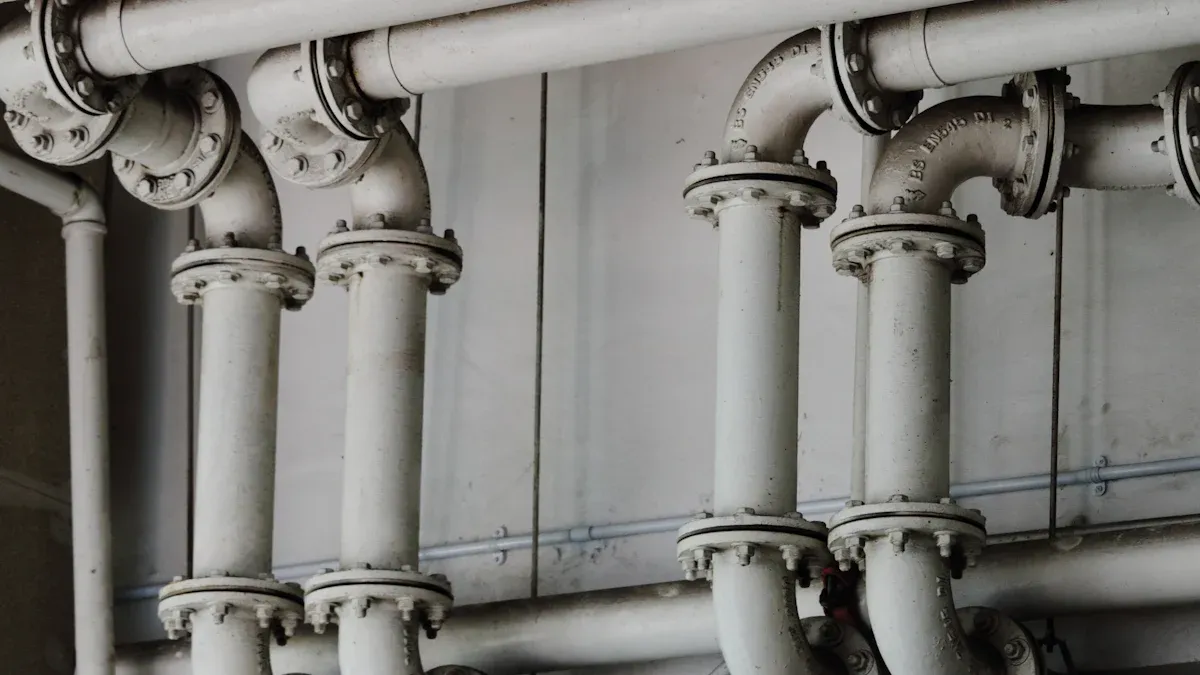
Proper sizing of PPR pipe systems is essential for ensuring optimal performance and efficiency. When comparing residential vs commercial plumbing systems, it is important to recognize their distinct requirements. Residential projects typically focus on lower flow rates and simpler layouts, while commercial systems demand higher capacities and more complex configurations.
Several factors influence sizing decisions, including:
- Application Requirements: Specific needs such as pressure, temperature, and flow rate.
- Required Pipe Diameter: Larger diameters support higher flow rates, which can be referenced in a PPR pipe sizing chart for buildings.
- Pressure Ratings and Temperature Tolerance: Selection based on ratings like PN10 or PN16.
- Pipe Length and Layout: Longer runs may need larger diameters for pressure maintenance, which ties into pipe flow calculation.
- Quality and Certification: Importance of recognized certifications for safety, adhering to design standards for plumbing networks.
- Future Expansion Considerations: Anticipating future needs can guide size selection.
- Consult Professionals if Necessary: Expert advice is valuable for complex projects.
Understanding these elements aids in effective PPR system sizing, ensuring that the water flow rate and pipe diameter are appropriately matched for the intended application.
Key Takeaways
- Proper sizing of PPR pipes ensures optimal performance and efficiency in both residential and commercial projects.
- Consider factors like flow rate, pressure, and temperature when selecting pipe sizes to avoid common mistakes.
- Larger diameters support higher flow rates, which is crucial for commercial buildings with many fixtures.
- Consulting professionals can help navigate complex sizing challenges and ensure compliance with local codes.
- Accurate sizing reduces long-term costs by minimizing maintenance and enhancing the longevity of the piping system.
PPR System Sizing for Residential Projects

Sizing PPR systems for residential projects requires careful consideration of various factors. Homeowners and engineers must evaluate the number of fixtures, flow rates, and local conditions to ensure efficient water distribution.
Fixture Count and Flow Requirements
The number of fixtures in a residential building significantly impacts the sizing of PPR pipes. For branch lines, standard sizes typically range from 20 mm to 25 mm. Main supply lines often require a diameter of 32 mm. This sizing correlates directly with the flow rate and water demand in the building.
When planning a PPR pipe system, engineers assess the flow requirements for each section. They use smaller pipes for individual fixtures and larger pipes for main headers. This approach ensures that the pipe sizes adequately serve the total number of outlets in the building.
Recommended Pipe Sizes
The following table outlines recommended PPR pipe diameters based on typical residential water supply systems:
| Pipe Size | Recommended Use | Max Flow Rate |
|---|---|---|
| 20 mm | Branch lines to 1–2 fixtures | 24 L/min |
| 25 mm | Main lines, 3–6 fixtures | 42 L/min |
| 32 mm | Whole-house mains, small apartments | 72 L/min |
| 40 mm | Apartment risers, 6–12 units | 110 L/min |
| 50 mm | Building mains, 12–20 units | 170 L/min |
| 63 mm | Large commercial, 20+ units | 270 L/min |
Local Climate and Pressure Considerations
Local climate and water pressure variations also influence PPR system sizing. For instance, temperature affects the flexibility and impact resistance of PPR pipes. In cold climates, PPR can become brittle, increasing the risk of cracking during installation. Conversely, higher temperatures can soften PPR, impacting its performance.
Additionally, the pressure-bearing capacity of PPR pipes decreases as temperature increases. At lower temperatures, PPR pipes can handle higher pressures, but this capacity drops significantly at elevated temperatures. Therefore, selecting pipes with appropriate pressure ratings based on the operating temperature is crucial.
Common Sizing Mistakes
Several common mistakes can occur when sizing PPR pipes for residential projects:
- Choosing the wrong size can lead to leaks and inadequate water flow.
- Oversized or undersized fittings disrupt water distribution efficiency.
- Undersizing main supply lines creates pressure bottlenecks.
- Ignoring elevation changes requires additional pressure calculations.
By avoiding these pitfalls, homeowners can ensure their PPR systems function effectively and efficiently.
PPR System Sizing for Commercial Projects
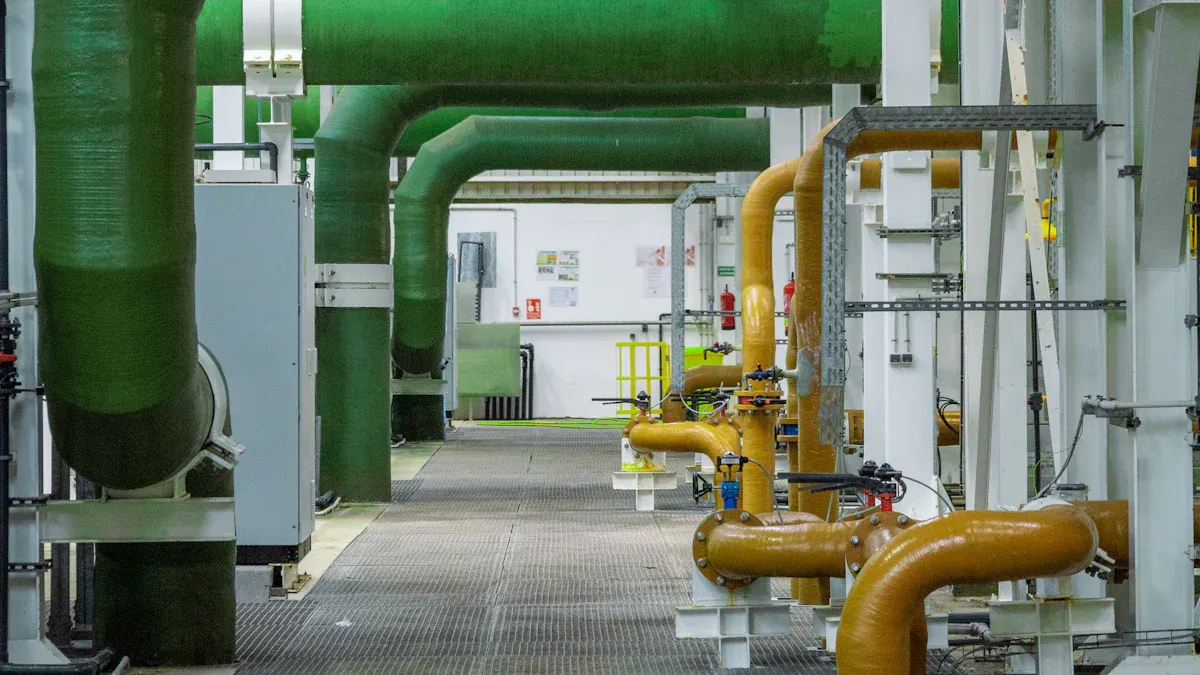
Sizing PPR systems for commercial projects involves a more complex approach compared to residential systems. Commercial buildings often have higher water demands due to the number of occupants and fixtures. Engineers must consider various factors to ensure efficient water distribution.
Understanding Water Demand
In commercial settings, the number of occupants can reach hundreds or even thousands. This high occupancy leads to increased water usage, requiring larger pipe diameters. For instance, PPR pipe diameters of 40–50 mm are recommended for multi-floor water distribution, accommodating flow capacities of 40–70 L/min.
| Application Type | Recommended PPR Pipe Size (mm) | Typical Use Case | Flow Capacity (L/min) |
|---|---|---|---|
| Commercial Buildings | 40–50 mm | Multi-floor water distribution | 40–70 |
Fixture Count and Usage Frequency
Commercial buildings typically feature numerous fixtures, often exceeding 50 in high-traffic areas. This frequency of use necessitates a robust piping system. The following table illustrates the differences in sizing requirements between office buildings and hotels:
| Building Type | Main Line Sizes | Branch Line Sizes |
|---|---|---|
| Office Building | DN32–DN50 | DN20–DN25 |
| Hotel/Apartment Complex | DN50–DN63 | DN25–DN32 |
Peak Demand Considerations
Peak demand periods significantly influence PPR system sizing. Properly sized pipes ensure adequate water supply during high usage times. Here are key considerations:
- System Design and Sizing: Accurate sizing prevents failures during peak demand.
- Ensuring Adequate Water Supply: Calculations must guarantee sufficient water flow and pressure.
- Cost Efficiency: Correct sizing avoids unnecessary expenses associated with oversized systems.
- Operational Reliability: Properly sized systems enhance longevity and reduce failure risks.
- Occupant Comfort and Satisfaction: Meeting peak demand is crucial for maintaining comfort in commercial environments.
Local Codes and Standards
When sizing PPR systems for commercial projects, adherence to local building codes and standards is essential. Regulations, such as ISO 15874, may dictate minimum pipe diameters for safety and efficiency. Consulting these guidelines ensures compliance and optimal performance.
Common Sizing Challenges
Engineers often face challenges when sizing PPR systems for commercial projects. Some common issues include:
- Miscalculating flow rates can lead to inadequate supply.
- Oversizing pipes may result in increased costs and inefficient systems.
- Ignoring future expansion needs can limit system adaptability.
By addressing these challenges, professionals can design effective PPR systems that meet the demands of commercial applications.
Practical Guidelines for PPR System Sizing
When sizing PPR pipe systems, engineers should follow several practical guidelines to ensure efficiency and reliability. These guidelines help avoid common pitfalls and enhance system performance.
- Evaluate Flow Requirements: Engineers must assess the flow requirements for each section of the piping system. This evaluation includes considering the total number of outlets served, the length of each run, and the height of the building. Accurate flow calculations prevent issues related to inadequate supply.
- Consider Pressure Loss: Pressure loss occurs due to friction within the pipes. Engineers often use methods like the Darcy-Weisbach equation or the Hazen-Williams formula to calculate friction loss. These calculations account for pipe diameter, length, fluid velocity, and roughness coefficient. Understanding these factors is vital for determining pump requirements and overall system performance.
- Account for Thermal Design: In applications involving hot water, thermal design parameters are critical. Engineers assess heat loss or gain, influenced by insulation and fluid temperature. Proper insulation selection maintains desired fluid temperatures, enhancing system efficiency.
- Adhere to Standards: Compliance with established standards, such as ISO 15874 and ASTM F2389, is essential. These standards dictate material properties and performance criteria, ensuring safety and reliability in piping system design.
- Utilize Software Tools: Software tools assist in accurately sizing PPR pipe systems by considering essential factors like flow rate, pressure, and layout. These tools help prevent common mistakes associated with traditional sizing methods, which often lead to oversized and inefficient systems.
By following these guidelines, engineers can design effective PPR systems that meet the demands of both residential and commercial applications. Proper sizing ensures optimal performance and longevity of the piping system.
Cost Implications of PPR System Sizing
Proper sizing of PPR pipe systems significantly impacts overall project costs. Engineers and contractors must consider both initial expenses and long-term financial implications when selecting pipe sizes.
Initial Material Costs
Material costs for PPR pipes vary based on diameter and length requirements. Larger diameters require more material volume and thicker walls for pressure handling. The price progression is non-linear; as diameters increase, the required raw material volume grows exponentially. Here are some key points regarding material costs:
- Material costs increase with larger diameters.
- Common residential sizes (20mm to 32mm) are cheaper due to mass production.
- Commercial sizes (40mm to 110mm) see a significant price increase.
- Higher pressure ratings (e.g., PN20 or PN25) result in thicker walls, increasing costs but enhancing durability.
Long-Term Cost Considerations
Accurate sizing of PPR pipes can lead to substantial long-term savings. Undersizing pipes can result in early failures due to thermal cycling and pressure stress. This situation necessitates more frequent maintenance and repairs, ultimately increasing overall costs throughout the lifespan of the system.
Here are some benefits of accurate sizing in residential projects:
- Maintenance Costs: Reduced due to fewer repairs needed with proper sizing.
- Installation Labor Costs: Lower costs as accurate sizing simplifies the installation process.
- Longevity of Piping System: High-quality PPR systems last longer, reducing replacement frequency.
| Aspect | Benefit |
|---|---|
| Maintenance Costs | Reduced due to fewer repairs needed with proper sizing. |
| Installation Labor Costs | Lower costs as accurate sizing simplifies the installation process. |
| Longevity of Piping System | High-quality PPR systems last longer, reducing replacement frequency. |
In summary, proper sizing of PPR pipe systems is crucial for both residential and commercial projects. Key takeaways include:
- Durability: PPR pipes can last over 50 years, minimizing replacements and costs.
- Cost-Effectiveness: Low initial and maintenance costs make PPR a smart choice for various applications.
- Environmental Benefits: PPR is recyclable and has a smaller environmental footprint.
Accurate sizing directly impacts system performance and cost-effectiveness. It enhances energy efficiency, reduces maintenance costs, and ensures safety through leak-proof systems.
For complex projects, consulting professionals is advisable. They can navigate challenges such as pressure loss and compliance with industry standards, ensuring optimal system design and performance.
FAQ
What is PPR pipe used for?
PPR pipes are commonly used for hot and cold water supply systems in residential and commercial buildings. They also serve in heating systems, irrigation, and industrial applications due to their durability and resistance to corrosion.
How do I determine the right size for PPR pipes?
To determine the right size, assess the total flow requirements, fixture count, and pressure needs. Use sizing charts and consider local codes to ensure compliance and efficiency in the system design.
Can PPR pipes be used for both hot and cold water?
Yes, PPR pipes are suitable for both hot and cold water applications. They can withstand high temperatures, making them ideal for heating systems and hot water supply lines.
What are the advantages of using PPR pipes?
PPR pipes offer several advantages, including lightweight construction, resistance to corrosion, low thermal conductivity, and ease of installation. They also have a long lifespan, reducing maintenance costs over time.
Are PPR pipes environmentally friendly?
Yes, PPR pipes are recyclable and have a lower environmental impact compared to traditional materials. Their durability also contributes to reduced waste, as they require fewer replacements throughout their lifespan.