How to Choose the Right Plastic Valves for Industrial Chemical Transfer Systems

Selecting the right plastic valves is crucial for maintaining the integrity of chemical transfer systems, especially when considering PPR valves for industrial use. Chemical compatibility prevents degradation and failure of valves, making valve selection for chemical pipelines essential. Matching valve pressure and temperature ratings with system conditions ensures optimal performance. Additionally, verifying that valves meet industry standards guarantees safety and reliability in applications, such as those involving UPVC valves for chemical plants and CPVC valve high temperature resistance. When it comes to durability, one might wonder, “Which plastic valve is most chemical resistant?”
Key Takeaways
- Identify the chemicals in your system using Safety Data Sheets and compatibility databases. This ensures you choose valves that can withstand specific substances.
- Understand the pressure and temperature ratings of plastic valves. Select valves that can handle the maximum conditions of your system to prevent failures.
- Ensure compliance with industry standards and certifications. This guarantees the reliability and safety of your plastic valves in chemical transfer applications.
Chemical Compatibility of Plastic Valves
Identifying the Chemicals in Your System
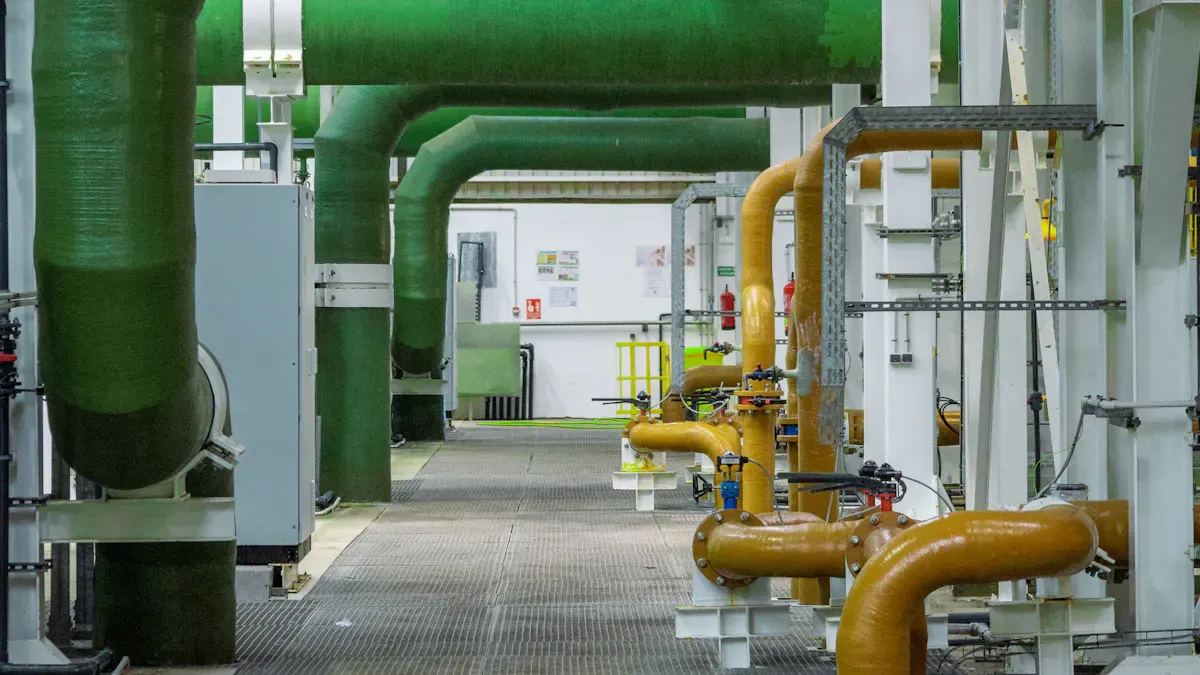
Understanding the chemicals present in an industrial chemical transfer system is vital for selecting the right plastic valves. Accurate identification ensures that the chosen materials can withstand the specific substances they will encounter. Here are some effective methods for identifying these chemicals:
- Safety Data Sheets (SDS) provide crucial information about hazardous chemicals, including handling, storage, and emergency measures.
- Chemical compatibility databases assist in selecting appropriate pumps and materials for specific chemicals, ensuring safety and longevity of equipment.
- Proper pump selection and testing for chemical compatibility are critical to prevent accidents and ensure safe handling of flammable and hazardous substances.
Using Compatibility Charts for Valve Materials
Compatibility charts serve as valuable tools for predicting how different materials will react with various chemicals. However, users should approach these charts with caution. Here are some important considerations:
- Compatibility charts are not definitive predictors of long-term performance due to various influencing factors.
- Temperature can significantly affect material degradation; materials that are stable at room temperature may fail under heat.
- Higher concentrations of chemicals can increase the potential for material failure, even if a material is rated as ‘good’ at lower strengths.
- Mechanical stress and pressure in industrial systems can lead to failures that are not predicted by static compatibility tests.
- Real-world products may contain additives that alter compatibility outcomes, which charts may not account for.
- Many compatibility charts are based on short-term testing, while industrial applications require long-term durability assessments.
Choosing Materials like PVC, CPVC, PTFE, and Fluoropolymers
Selecting the right material for plastic valves is essential for ensuring chemical resistance and overall system reliability. Here’s a breakdown of common materials used in plastic valves:
- PVC: Handles most acids, strong alkalis, fats, and oils; however, it is not suitable for certain solvents. It is economical, weather-resistant, and has a maximum working temperature of 140ºF.
- CPVC: Similar to PVC but with a higher temperature rating of 180ºF. It offers superior corrosion resistance and mechanical strength, making it suitable for most acids and strong alkalis.
- PTFE: Known for its excellent resistance to nearly all chemicals, PTFE has a low friction coefficient and is suitable for aggressive media.
- Fluoropolymers: These materials provide excellent chemical and corrosion resistance, retaining strength up to 280ºF. They are ideal for applications involving inorganic acids and bases, hydrocarbons, and organic acids.
When selecting materials, it is crucial to consider their limitations. For instance, PVC and CPVC are not recommended for chlorinated hydrocarbons, ketones, esters, and aromatics due to potential chemical reactions leading to material degradation.
Pressure and Temperature Ratings for Plastic Valves
Understanding Operating Pressure Limits
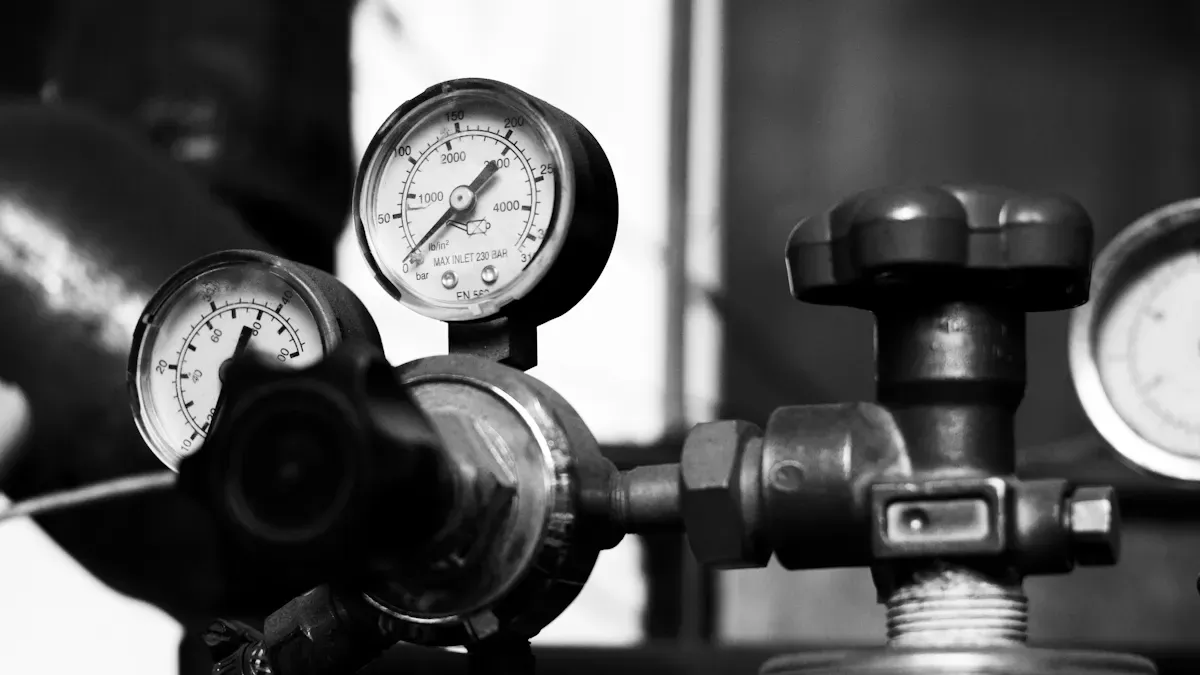
Operating pressure limits are critical when selecting plastic valves for industrial applications. Each valve material has specific pressure ratings that dictate its suitability for various environments. For instance, PVC valves typically have a pressure rating of 150 PSI at 73°F (23°C). However, this rating decreases as the fluid temperature increases. The pressure rating for PVC also varies based on wall thickness and diameter, with Schedule 40 pipes ranging from over 400 PSI for smaller sizes to under 200 PSI for larger sizes.
Understanding these limits helps engineers design systems that maintain safety and efficiency. It is essential to consider the maximum pressure the system may encounter and select valves that can withstand those conditions without failure.
Assessing Temperature Tolerance
Temperature tolerance is another vital factor in the selection of plastic valves. Different materials exhibit varying maximum and minimum temperature capabilities. The following table summarizes the temperature tolerances for common plastic valve materials:
| Material Type | Maximum Temperature (°F) | Minimum Temperature (°F) |
|---|---|---|
| Delrin | 220 | N/A |
| Acetal | 212 | N/A |
Operating temperatures for plastic valves typically range from –58°F to 140°F. The maximum temperature capability for many plastic valves is up to 140°F. As temperatures rise, the mechanical properties of the materials can change significantly.
Temperature fluctuations can lead to material expansion and contraction, which may cause excessive wear or damage. High temperatures can accelerate degradation, resulting in hardening or cracking. This deterioration can severely impact the integrity and functionality of plastic valves in dynamic applications.
Impact on Valve Performance and Safety
The interplay between pressure and temperature ratings significantly influences valve performance and safety. As temperature increases, the ability of plastic valves to withstand internal pressures decreases. For example, a fitting rated for full pressure at 20°C may only tolerate 60%-70% of that pressure at 50°C due to material softening.
The following table illustrates how pressure capacity decreases with rising temperatures:
| Temperature (°F) | Pressure Capacity (%) |
|---|---|
| 73 | 100 |
| 100 | 62 |
| 140 | 25 |
These derating factors are crucial for system design, ensuring durability and safety in high-temperature applications. Engineers must account for these factors to prevent potential failures that could lead to hazardous situations.
Material Quality and Industry Standards for Plastic Valves
Evaluating Material Properties and Corrosion Resistance
Material properties play a crucial role in the performance of plastic valves, especially in corrosive environments. Plastic valves inherently resist corrosion compared to metal alloys. They are chemically inert to many aggressive substances, making them ideal for handling strong acids and caustics. Key materials like PVC and CPVC excel in corrosive applications, offering strong resistance to acids, alkalis, and other corrosive media. Understanding chemical compatibility is essential; incompatibility can lead to degradation, swelling, or cracking, resulting in leaks and increased maintenance costs.
Recognizing Relevant Certifications and Standards
Compliance with industry standards ensures the reliability and safety of plastic valves. Important certifications include:
| Standard | Description |
|---|---|
| ISO 10631 | Specifies requirements for thermoplastic valves used in fluid systems. |
| ANSI/ASME B16.14 | Covers dimensions, tolerances, and pressure ratings for threaded plastic valves. |
| ASTM D2466/D2467 | Standards for PVC and CPVC threaded fittings and valves. |
| NSF/ANSI 61 | Certification for valves used in potable water systems, ensuring they meet health and safety criteria. |
Adhering to these standards prevents contamination risks and ensures long-term system safety.
Importance of Quality Assurance and Supplier Reliability
Supplier reliability significantly impacts the long-term performance of plastic valves. Reliable suppliers provide guidance for proper installation, enhancing valve lifespan and minimizing maintenance expenses. Although PVC valves are inherently corrosion-resistant, improper installation can lead to premature failures. Suppliers committed to quality ensure that valves withstand harsh chemical environments, directly affecting system safety and operational efficiency. Regular inspections and adherence to maintenance guidelines are essential for maintaining valve reliability and compliance.
Selecting plastic valves requires prioritizing chemical compatibility, pressure and temperature ratings, and quality standards. These factors prevent dangerous reactions, leaks, and failures. Proper choices improve safety, maintain process integrity, and extend system life—sometimes over 50 years. Key benefits include:
- Strong chemical resistance
- Durability and corrosion protection
- Reduced maintenance and downtime
FAQ
What are the most common materials used for plastic valves?
Common materials include PVC, CPVC, PTFE, and fluoropolymers, each offering unique chemical resistance and temperature tolerance.
How do I determine the right valve size for my system?
Calculate flow rates and pressure requirements to select the appropriate valve size, ensuring optimal performance and efficiency.
Can plastic valves handle high-pressure applications?
Yes, but ensure the selected valve meets specific pressure ratings for the intended application to prevent failures.