How to Choose the Right Plastic Pipes and Fittings for Water Supply
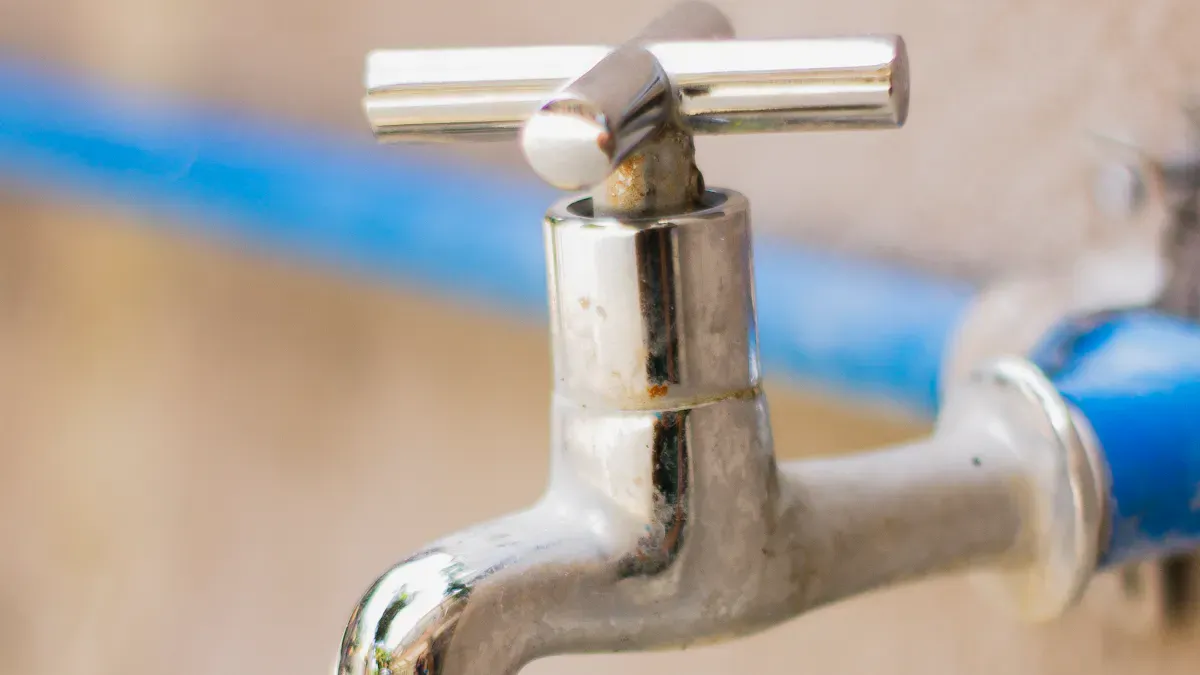
Choosing the right plastic pipes and plastic fittings for water supply selection requires careful consideration. Key factors include durability, compatibility, and water quality. Improper installation often leads to issues such as sagging, stress, and material defects. Additionally, over-chlorination can damage pipes, making it essential to select suitable options like PPR vs PVC pipes for water supply. Furthermore, when making a CPVC pipe selection, it’s important to consider the specific needs of your project, as well as the PE fitting choice to ensure a reliable and efficient water supply system.
Key Takeaways
- Choose the right type of plastic pipe based on your needs. PVC is great for cold water, while CPVC handles hot water well.
- Accurate measurement of pipe size is crucial. Use tools like measuring tapes and calipers to ensure proper fit and function.
- Consider flow, pressure, and temperature requirements when selecting pipes. This ensures a reliable and efficient water supply system.
Types of Plastic Pipes
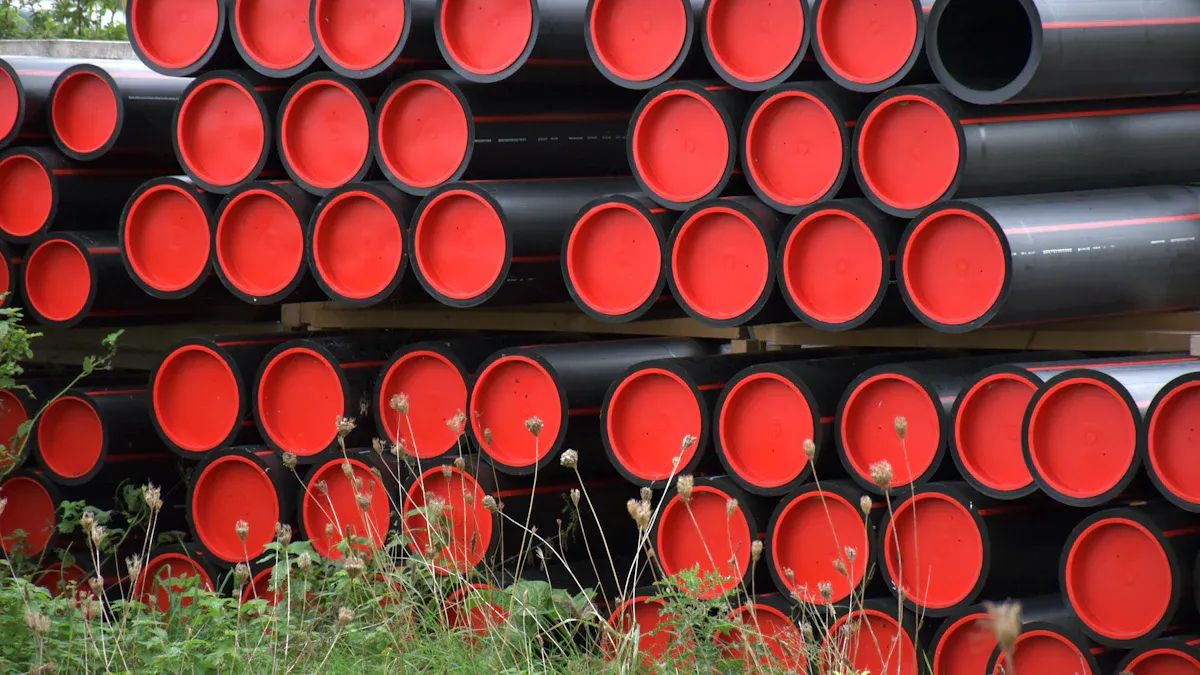
When selecting plastic pipes for water supply, understanding the different types available is crucial. Each type has unique properties that make it suitable for specific applications. Here are some of the most common plastic pipes used in water supply systems:
- PVC (Polyvinyl Chloride)
PVC pipes are widely used due to their affordability and durability. They are resistant to corrosion and have a long lifespan, typically ranging from 50 to 70 years. PVC pipes are suitable for cold water applications and are often used in residential plumbing.
- CPVC (Chlorinated Polyvinyl Chloride)
CPVC pipes can handle higher temperatures than PVC, making them ideal for hot water applications. Their average lifespan is between 40 to 60 years. CPVC is also resistant to strong acids and alkalis, which makes it suitable for industrial applications.
- PEX (Cross-Linked Polyethylene)
PEX pipes are flexible and easy to install, which reduces labor costs. They typically last around 40 to 50 years. PEX systems can withstand freezing temperatures and are resistant to scale and chlorine, making them a popular choice for residential plumbing.
- HDPE (High-Density Polyethylene)
HDPE pipes are known for their strength and flexibility. They can last between 50 to 100 years, making them one of the most durable options available. HDPE is also fully recyclable, which contributes to its environmental sustainability.
Here is a summary of the average lifespans of these plastic pipes:
| Pipe Type | Average Lifespan (Years) |
|---|---|
| PVC | 50-70 |
| CPVC | 40-60 |
| PEX | 40-50 |
| HDPE | 50-100 |
Choosing the right type of plastic pipe depends on the specific requirements of the water supply system. For instance, CPVC’s chemical resistance makes it suitable for industrial applications, while HDPE’s recyclability and long lifespan make it an environmentally friendly choice.
Tip: Always consider the chemical resistance of the pipe material. For example, CPVC is effective in industrial pressure applications due to its resistance to strong acids and alkalis, particularly oxidizers and sodium hypochlorite solutions.
Measuring Pipe Size
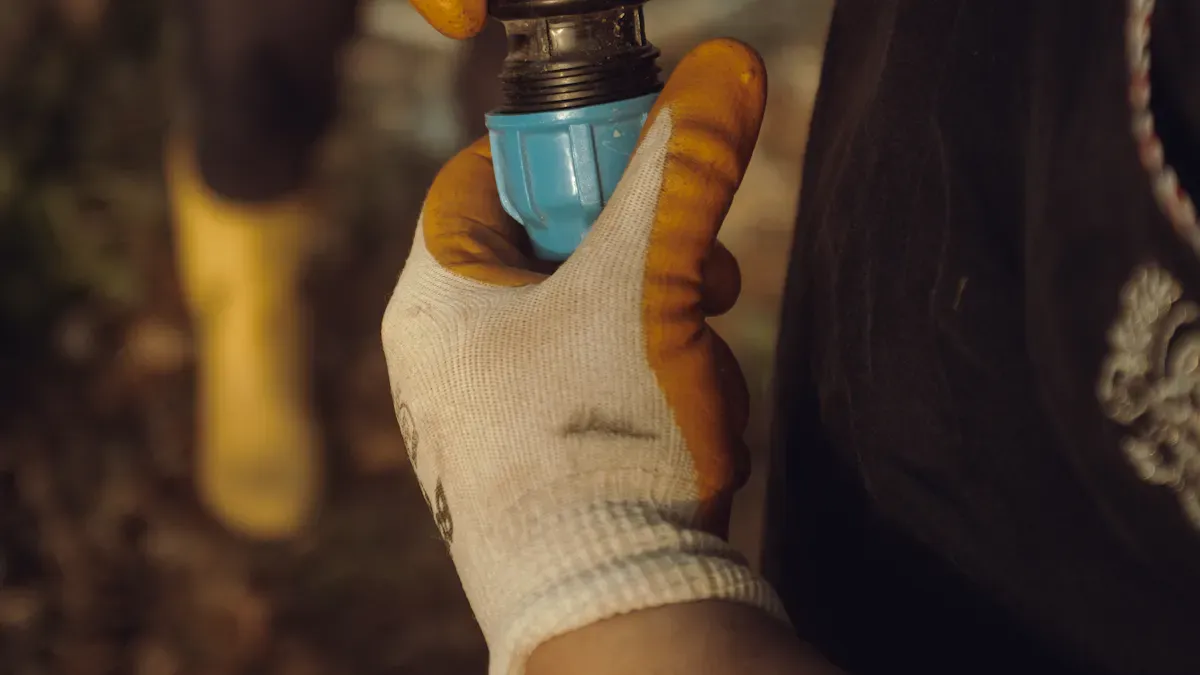
Accurate measurement of pipe size is essential for ensuring optimal water flow and pressure in supply systems. Incorrect sizing can lead to various issues, including pressure drops and inefficient resource use. To avoid these problems, individuals must understand how to measure pipe size effectively.
Importance of Accurate Measurements
Selecting the correct pipe size impacts both performance and cost. If a pipe is too small, it can lead to high velocity, resulting in increased pressure drops and potential noise issues. Conversely, oversized pipes may incur excessive material costs and fail to achieve the necessary self-cleansing velocity, risking water quality.
Tools for Measuring Pipe Size
Several tools can help achieve accurate measurements for plastic pipes:
- Measuring tape: Wrap around or span the pipe’s diameter.
- Ruler: Ideal for straight and small pipe sections.
- String and ruler: Useful for curved or immobile pipes. Wrap the string, mark it, and measure the length.
- Calipers: Provide precise measurements of inside and outside diameter.
- Pipe gauges: Quickly identify standard pipe sizes by matching ends.
- Thread pitch gauge: Identifies thread count and spacing on threaded pipes for correct coupling.
Accurate measurement requires a reliable tape measure to determine the length needed for each pipe section. Mark cutting lines clearly with a marker. Ensure cuts are square to maintain a flush fit during the joining process. For cutting, employ a specialized pipe cutter or a saw designed for plastic materials. These tools help prevent uneven edges and reduce the risk of debris entering the system.
Consequences of Incorrect Pipe Sizes
Selecting the wrong pipe size can lead to significant issues:
- High velocity from small pipes can result in non-compliance with standards.
- Reduced lifespan of the pipe may void the manufacturer’s warranty.
- High velocity can create noise, disturbing building occupants.
- A significant pressure drop can lead to low outlet pressure or necessitate a larger pump.
- Oversized pipes can prevent self-cleansing, allowing microorganisms to grow and degrade water quality.
Pipe Size Standards
Pipe size standards vary by region. Understanding these differences is crucial for compliance and efficiency:
| Pipe Size Standard | Region/Usage | Description |
|---|---|---|
| DN (Diameter Nominal) | Europe and metric system countries | Represents approximate internal diameter in mm. |
| NPS (Nominal Pipe Size) | North America | An imperial designation for nominal diameter, not exact measurements. |
| NB (Nominal Bore) | Various | Similar to NPS, refers to approximate internal diameter. |
Application Considerations
When selecting plastic pipes and fittings for water supply systems, application considerations play a vital role. Different environments and requirements dictate the choice of materials and sizes. Here are key factors to consider:
- Flow Requirements
The diameter of the pipe significantly impacts flow capacity. Larger pipes are necessary for higher flow rates to ensure efficient water delivery.
- Pressure Requirements
The pressure rating indicates the maximum internal pressure a pipe can withstand. This factor is critical for high-pressure applications, where failure could lead to leaks or system damage.
- Temperature Conditions
The material must withstand the temperature of the fluid. For instance, UPVC fittings maintain structural integrity under pressure while offering excellent chemical resistance. However, they have limitations at high temperatures, making them less suitable for hot water applications.
- Material Selection
Different materials, such as PVC and HDPE, are suited for various applications based on flexibility and resistance. For example, HDPE is ideal for underground installations due to its flexibility, while PVC is preferred for above-ground applications due to its rigidity.
| Factor | Description |
|---|---|
| Flow Requirements | The diameter of the pipe impacts flow capacity; larger pipes are needed for higher flow rates. |
| Pressure Requirements | The pressure rating indicates the maximum internal pressure a pipe can withstand; critical for high-pressure applications. |
| Temperature Conditions | The material must withstand the temperature of the fluid; high temperatures may require thicker walls. |
| Material Selection | Different materials (e.g., PVC, HDPE) are suited for various applications based on flexibility and resistance. |
Considering these factors ensures that the selected plastic pipes will perform effectively and maintain longevity in their respective applications.
Selecting the right type and size of plastic pipes and fittings is crucial for a reliable water supply system. Proper choices enhance durability, cost-effectiveness, and low maintenance.
Tip: Always assess specific water supply needs before making a purchase. Consulting professionals can provide valuable insights, ensuring compliance with industry standards and optimal performance.
| Benefit | Description |
|---|---|
| Durability | Plastic pipes resist corrosion and chemical damage, ensuring a longer lifespan. |
| Cost-effectiveness | Lower maintenance and installation costs due to flexibility and ease of use. |
| Low maintenance | Reduced need for frequent replacements and repairs, contributing to overall savings. |
| Flexibility | Can be easily adjusted to fit various spaces, simplifying installation and reducing labor costs. |
FAQ
What is the best type of plastic pipe for residential water supply?
PVC pipes are often the best choice for residential water supply due to their affordability, durability, and resistance to corrosion.
How do I determine the right pipe size for my project?
Measure the diameter and length of the required pipe sections. Use standard sizing charts to ensure compatibility with fittings and fixtures.
Can I use different types of plastic pipes together?
Mixing different types of plastic pipes is possible, but ensure compatibility in terms of pressure ratings and chemical resistance to avoid issues.