How to Choose PVC, CPVC or PPR Valves for Industrial Water Systems
Selecting the right valve type is crucial for the efficiency and longevity of industrial water systems. To assist you in this process, refer to our Plastic Valve Guide which provides valuable insights. Incorrect valve selection can lead to significant operational issues, including valve seat wear and tear, temperature and pressure problems, and even cavitation. To avoid these pitfalls, consider the following key factors:
- Temperature: Ensure the valve can withstand the operating temperature.
- Pressure: Verify that the valve meets the system’s pressure requirements.
- Chemical Compatibility: Choose a valve that can resist the chemicals it will encounter.
When comparing PVC vs PPR valve performance, it’s essential to understand their unique characteristics. Additionally, our Valve Selection Tips can help you navigate the options available, including PVC/PPR/CPVC Valve choices. Understanding these elements will guide you in making informed decisions about the best valve types for industrial systems and address the question, Are plastic valves durable for industrial use?
Key Takeaways
- Choose the right valve type based on temperature and pressure needs. PVC is good for low temperatures, while CPVC and PPR handle higher temperatures.
- Evaluate chemical compatibility before selecting a valve. PPR valves resist many chemicals, making them versatile for industrial use.
- Consider the total cost of ownership. PPR valves may have higher upfront costs but offer long lifespans and low maintenance, saving money over time.
- Follow industry standards and regulations to ensure safety and efficiency in valve selection. Compliance helps avoid operational issues.
- Regular maintenance is key to valve longevity. Conduct routine checks and ensure proper installation to prevent failures.
PVC Valves Overview
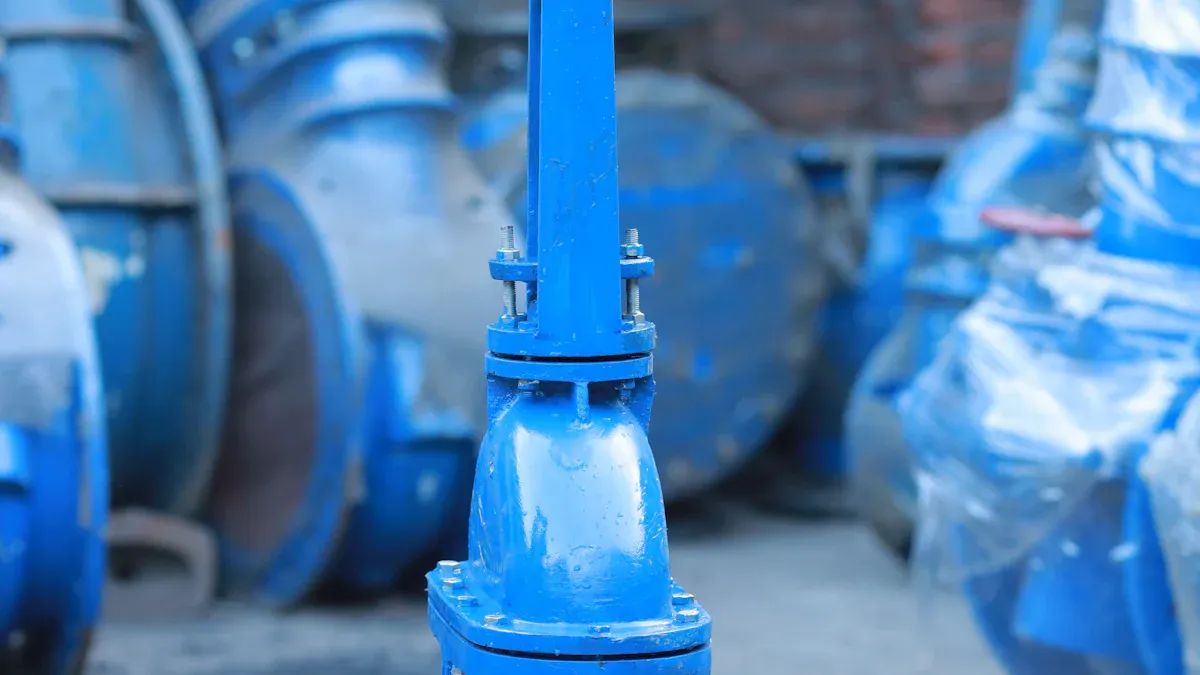
PVC valves are a popular choice in industrial water systems due to their durability and versatility. These valves are made from polyvinyl chloride, a type of plastic known for its resistance to corrosion and chemical degradation. This makes PVC valves suitable for various applications, including water treatment, irrigation, and HVAC systems.
Key Features of PVC Valves
- Temperature and Pressure Ratings: PVC valves typically operate within a temperature range of up to 140°F (60°C) and can handle pressures up to 450 psi. For applications requiring higher temperatures, reinforced PVC options can withstand temperatures up to 160°F (71°C) and pressures of 600 psi.
| Valve Type | Temperature Range | Pressure Rating | Applications |
|---|---|---|---|
| PVC (Type I) | 140°F (60°C) | 450 psi | Water treatment, irrigation, HVAC |
| Reinforced PVC | 160°F (71°C) | 600 psi | Industrial piping, high-pressure lines |
- Chemical Compatibility: PVC valves resist a wide range of chemicals, including most acids, bases, and salts. However, it is essential to verify compatibility with specific fluids to ensure safe operation. Certain aggressive chemicals can damage PVC over time, so consulting manufacturer datasheets is advisable.
Lifespan of PVC Valves
The average lifespan of PVC valves in industrial water systems ranges from 8 to 10 years. High-quality PVC ball valves can last between 10 to 20 years or more, especially under optimal conditions. Factors such as material quality, proper usage, and environmental conditions significantly influence durability. For instance, valves used indoors with cold water and infrequent operation can last even longer.
CPVC Valves Overview
CPVC valves, made from chlorinated polyvinyl chloride, offer unique advantages for industrial water systems. These valves excel in high-temperature applications, making them suitable for hot water distribution and chemical processing. Their ability to withstand temperatures up to 200°F (93°C) sets them apart from PVC valves, which typically handle lower temperatures.
Key Features of CPVC Valves
- Temperature and Pressure Ratings: CPVC valves can operate effectively at temperatures reaching 200°F (93°C) and pressures up to 400 psi. This makes them ideal for systems requiring higher thermal resistance.
- Chemical Resistance: CPVC valves demonstrate excellent chemical resistance, outperforming PVC in many scenarios. They resist a wide range of acids, bases, and salts, making them suitable for various industrial applications.
| Material | Chemical Resistance | Durability | Temperature Tolerance |
|---|---|---|---|
| CPVC | Excellent | High | Good |
| PVC | Good | Moderate | Low |
| PPR | Good | Outstanding | High |
Lifespan of CPVC Valves
The lifespan of CPVC valves typically ranges from 10 to 15 years, depending on environmental conditions and usage. Proper installation and maintenance can extend their longevity. These valves are particularly effective in environments where high temperatures and aggressive chemicals are present.
PPR Valves Overview
PPR valves, constructed from polypropylene random copolymer, serve as an excellent choice for industrial water systems. These valves exhibit remarkable durability and resistance to high temperatures, making them suitable for various applications.
Key Features of PPR Valves
- Temperature and Pressure Ratings: PPR valves perform optimally for cold water at temperatures ranging from 0°C to 25°C. They can safely handle hot water up to 70°C and tolerate short-term exposure to temperatures as high as 95°C. The following table summarizes their performance:
| Temperature (°C) | Maximum Pressure (Bar) | Typical Applications |
|---|---|---|
| 0-25 | N/A | Cold water supply |
| Up to 70 | N/A | Hot water supply |
| Up to 95 (short-term) | 6 | Emergency peaks |
| 20 | 25 | Cold water lines |
| 40 | 20 | Domestic hot water |
| 60 | 12 | Central heating |
| 70 | 10 | Solar water heating |
- Chemical Compatibility: PPR valves demonstrate excellent resistance to a variety of chemicals. They perform well with substances such as hydrochloric acid and sodium hydroxide. The table below outlines their compatibility with different chemicals:
| Chemical | Concentration | Compatibility | Test Standard |
|---|---|---|---|
| Hydrochloric | Up to 30% | Excellent | ASTM D543 |
| Sulfuric | Up to 50% | Good | ISO 175 |
| Nitric | Up to 20% | Fair | EN 12201 |
| Sodium hydroxide | 50% | Excellent resistance | N/A |
| Potassium hydroxide | 40% | Good performance | N/A |
| Sodium chloride | All concentrations | Excellent | N/A |
| Ethanol | 100% | Full compatibility | N/A |
| Acetone | 50% | Good resistance | N/A |
Lifespan of PPR Valves
PPR valves can last between 50 to 100 years under normal conditions. In domestic applications, their lifespan typically ranges from 50 to 70 years. In industrial settings, while the lifespan may vary due to higher pressures, they can still achieve long-term durability with proper care.
PPR valves are an excellent option for those seeking reliable performance in industrial water systems. For more detailed information, refer to the Plastic Valve Guide.
Key Considerations for Valve Selection
Selecting the right valve for industrial water systems involves several critical considerations. Each factor can significantly impact the performance, longevity, and overall efficiency of the system. Below are the key aspects to evaluate when choosing between PVC, CPVC, and PPR valves.
1. Temperature and Pressure Requirements
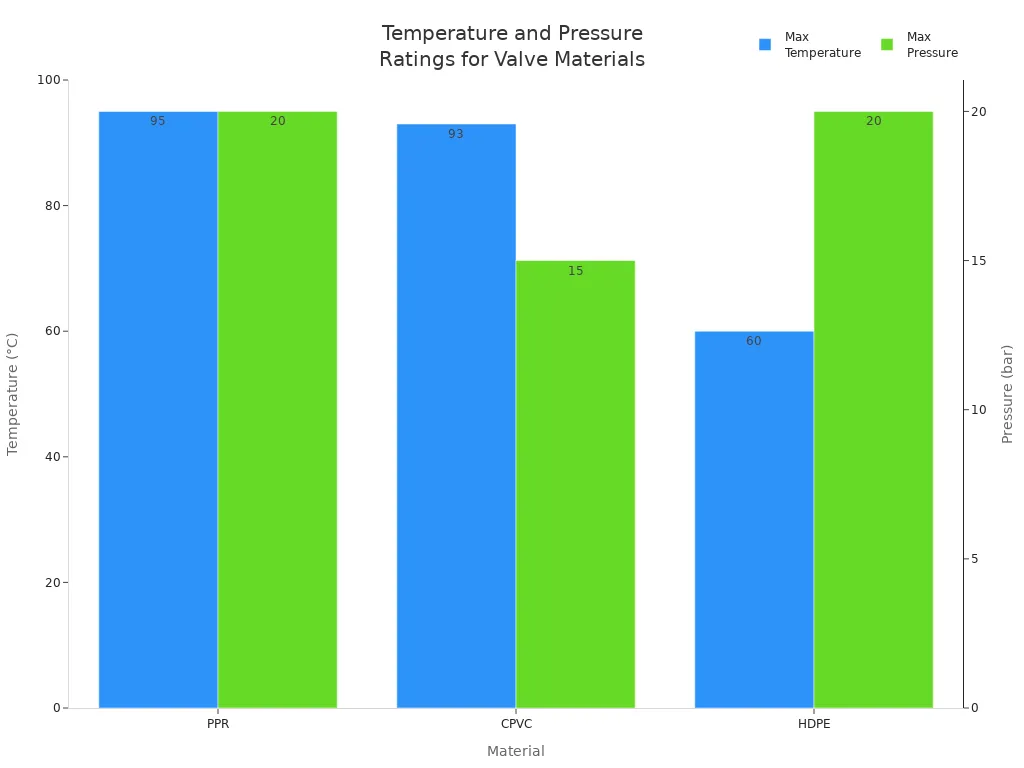
Understanding the temperature and pressure limits of each valve type is essential. Different materials exhibit varying capabilities, which can affect their suitability for specific applications. The following table summarizes the maximum temperature and pressure ratings for PVC, CPVC, and PPR valves:
| Material | Maximum Temperature | Pressure Rating | Notes |
|---|---|---|---|
| PPR | Up to 95°C | PN10, PN16, PN20 (up to 20 bar) | Ideal for hot water and heating systems with long thermal durability. |
| CPVC | Up to 93°C | 10–15 bar | Performs well in high-temperature applications but can become brittle over time. |
| HDPE | Up to 60°C | Similar to PPR for industrial-grade piping | Better suited for cold or ambient temperature systems, flexible but can deform under pressure. |
2. Cost Considerations
Cost plays a significant role in valve selection. While initial costs are important, long-term savings from durability and maintenance should also be considered. Here are some cost-related insights:
- CPVC generally has a higher upfront cost compared to PPR but offers greater longevity and lower maintenance.
- PPR is often more cost-effective in terms of installation and material costs, making it a popular choice for budget-conscious projects.
- CPVC can be 40% to 60% more expensive than PVC due to its additional manufacturing processes. Installation costs for CPVC may also be higher because it requires specific solvents and cements.
3. Installation Complexity
The ease of installation varies among valve types. Understanding the installation requirements can help prevent delays and additional costs:
- PVC Valves: Lightweight and easy to install, requiring no specialized tools. Ideal for quick and hassle-free installation.
- CPVC Valves: More complex due to higher temperature resistance but still relatively straightforward to install.
- PPR Valves: Most complex due to the need for fusion welding, requiring more skill and equipment for leak-free connections.
4. Maintenance Requirements
Regular maintenance is crucial for ensuring the longevity of valves. Here are some key maintenance considerations:
| Maintenance Requirement | Description |
|---|---|
| Temperature Considerations | Ensure the temperature does not exceed the recommended limit to avoid deformation or failure. |
| Chemical Compatibility | Consult with professionals to ensure chemicals used do not react adversely with CPVC materials. |
| Proper Support | Use appropriate hangers and clamps to minimize stress on pipes and fittings. |
| Regular Visual Inspections | Conduct routine checks to identify any visible issues or wear. |
5. Environmental Impact
The environmental implications of valve materials should not be overlooked. Here are some considerations:
- CPVC is 100% recyclable, reducing waste and conserving resources. However, its production involves petroleum-based products, leading to greenhouse gas emissions.
- PPR fittings are durable and recyclable, contributing to sustainability. Their production consumes less energy compared to metal, lowering the carbon footprint.
- PVC’s production has environmental consequences, including greenhouse gas emissions, which should be considered when making a selection.
6. Local Regulations
Local regulations can influence the choice of valve materials. Compliance with industry standards ensures safety and efficiency. Key regulations include:
| Regulation Type | Description |
|---|---|
| Industrial Standards | Establish guidelines for valve design and materials to ensure safety and efficiency. |
| Environmental Compliance | Regulations that prevent contamination and protect public health, especially in drinking water applications. |
By carefully evaluating these considerations, professionals can make informed decisions when selecting valves for industrial water systems. For more detailed information, refer to the Plastic Valve Guide.
Making the Right Choice
Choosing the right valve for industrial water systems requires careful consideration of various factors. Professionals should evaluate the specific needs of their applications and the characteristics of each valve type. Here are some key steps to guide the decision-making process:
- Assess Temperature and Pressure Requirements:
- Determine the maximum temperature and pressure your system will encounter.
- For high-temperature applications, CPVC valves excel, handling temperatures up to 200°F (93°C).
- PPR valves are suitable for hot water applications, with a maximum short-term exposure of 95°C.
- Evaluate Chemical Compatibility:
- Ensure the selected valve material can withstand the chemicals it will encounter.
- PPR valves offer excellent resistance to a wide range of acids and bases, making them versatile for various industrial applications.
- CPVC is also a strong contender, particularly in environments with aggressive chemicals.
- Consider Total Cost of Ownership (TCO):
- Look beyond initial costs. Evaluate lifecycle costs, operational efficiency, and maintenance expenses.
- PPR valves, with their long lifespan of over 50 years and minimal maintenance, often prove to be more cost-effective in the long run.
- In contrast, CPVC valves may incur higher long-term costs due to their shorter lifespan and potential brittleness in high-temperature applications.
- Adhere to Industry Standards:
- Compliance with industrial standards and regulations is crucial. This ensures proper material selection and maintenance considerations.
- Organizations such as the American National Standards Institute (ANSI) and the American Society of Mechanical Engineers (ASME) provide guidelines that help ensure safety and efficiency.
- Review Application-Specific Needs:
- Different applications may require different valve types. For example, PVC valves are cost-effective and suitable for general plumbing and drainage.
- CPVC valves are ideal for hot water systems and industrial plumbing due to their higher temperature resistance and chemical durability.
| Valve Type | Key Properties | Applications |
|---|---|---|
| PVC | Good for low-temperature applications; cost-effective | General plumbing, drainage |
| CPVC | Higher temperature resistance; chemical durability | Hot water systems, industrial plumbing |
| PPR | Excellent resistance to acids and bases | Chemical transport, industrial applications |
By following these steps, professionals can make informed decisions that enhance the efficiency and longevity of their industrial water systems. For further insights, refer to the Plastic Valve Guide, which provides comprehensive information on valve selection.
In summary, selecting the right valve type is essential for the efficiency of industrial water systems. Here are the key differences:
- PVC valves are cost-effective and suitable for general applications.
- CPVC valves excel in high-temperature environments.
- PPR valves offer outstanding durability and chemical resistance.
FAQ
What is the main difference between PVC, CPVC, and PPR valves?
PVC valves are cost-effective and suitable for low-temperature applications. CPVC valves excel in high-temperature environments, while PPR valves offer outstanding durability and chemical resistance, making them ideal for various industrial applications.
How do I determine the right valve for my system?
Evaluate the temperature, pressure, and chemical compatibility requirements of your system. Consider the specific application and consult manufacturer specifications to ensure the selected valve meets operational needs.
Can I use PVC valves for hot water applications?
PVC valves can handle temperatures up to 140°F (60°C). For hot water applications exceeding this limit, consider using CPVC or PPR valves, which are designed for higher temperature resistance.
How long can I expect my valves to last?
PVC valves typically last 8 to 10 years, while CPVC valves can last 10 to 15 years. PPR valves have the longest lifespan, ranging from 50 to 100 years under normal conditions.
Are there any environmental considerations when choosing valve materials?
Yes, consider the recyclability and production impact of each material. CPVC and PPR are more environmentally friendly options, while PVC production has higher greenhouse gas emissions. Always check local regulations regarding material use.