How Global Buyers Can Source China-Made PPR & PVC Pipe Products Efficiently
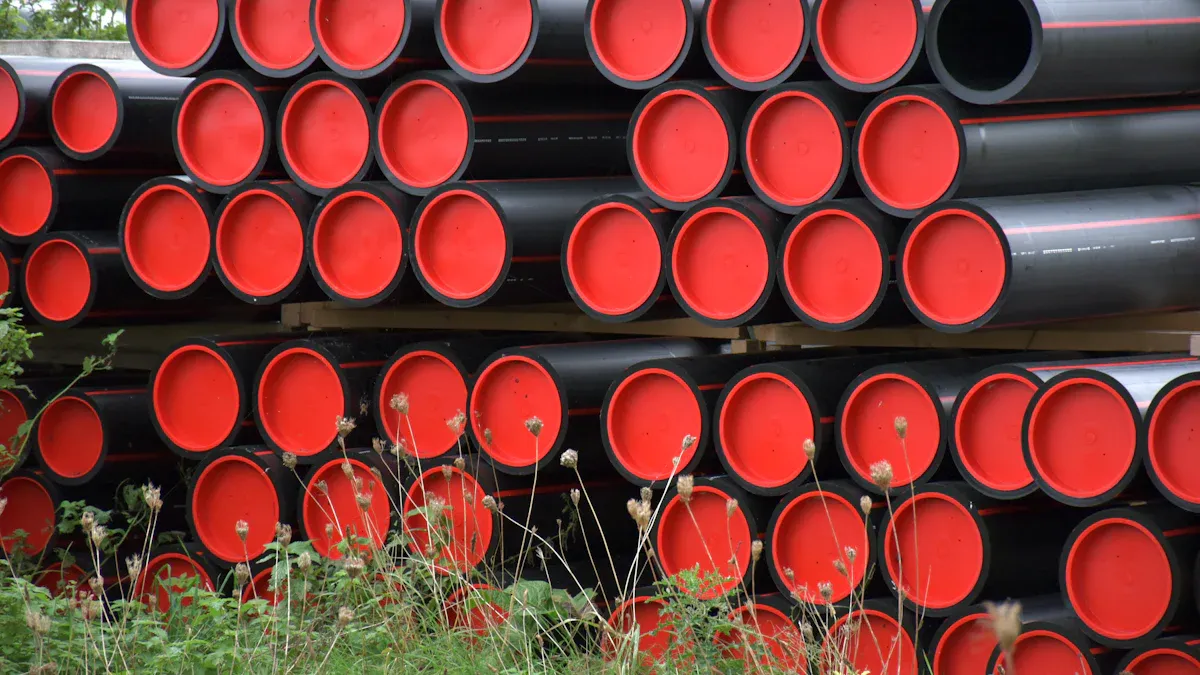
Efficient China Pipe Sourcing is vital for global buyers seeking high-quality PPR and PVC pipes. Sourcing from China offers numerous advantages, including access to advanced polymer processing infrastructure and an integrated supply chain. These factors contribute to the production of durable and cost-effective products. Buyers can expect benefits such as:
- Resistance to corrosion
- Lightweight design for easy transport
- Leak-proof systems that enhance project efficiency
Implementing effective sourcing strategies, such as understanding market dynamics and exploring options like the DONSEN PPR & PVC Pipe, can significantly streamline the procurement process. For those looking for a PPR & PVC Export Guide, it’s essential to know how to find reliable pipe manufacturers in China. Additionally, potential buyers often inquire, “What’s the MOQ for pipe fittings?” to ensure they meet their project requirements efficiently.
Key Takeaways
- Sourcing PPR and PVC pipes from China offers benefits like durability, lightweight design, and resistance to corrosion.
- Utilize online platforms like Alibaba and attend trade exhibitions to connect with reliable suppliers and inspect products firsthand.
- Engage a sourcing agent to navigate the Chinese market, ensuring better supplier connections and negotiation support.
- Verify suppliers by researching their backgrounds, checking certifications, and evaluating customer reviews to ensure quality.
- Establish clear contracts that outline product specifications, delivery terms, and payment methods to protect your interests.
Sourcing Methods
Online Platforms
Global buyers can leverage various online platforms to source PPR and PVC pipe products from China. Websites like Alibaba, Made-in-China, and Global Sources serve as valuable resources. These platforms allow buyers to connect directly with manufacturers and suppliers. They offer features such as:
- Product Listings: Buyers can browse extensive catalogs of PPR and PVC pipes.
- Supplier Profiles: Each supplier has a profile that includes company information, product offerings, and customer ratings.
- Communication Tools: Buyers can initiate conversations with suppliers to clarify product specifications and negotiate prices.
Using these platforms streamlines the China Pipe Sourcing process. Buyers can compare multiple suppliers and make informed decisions based on their needs.
Trade Exhibitions
Attending trade exhibitions is another effective method for sourcing pipe products. Events like the Canton Fair and the China International Plastics Exhibition showcase a wide range of manufacturers. These exhibitions provide opportunities for buyers to:
- Meet Suppliers Face-to-Face: Personal interactions help build trust and rapport.
- Inspect Products: Buyers can physically examine the quality of pipes and fittings.
- Network: Exhibitions allow buyers to connect with industry professionals and gather insights about market trends.
Trade exhibitions enhance the sourcing experience by providing firsthand knowledge of the products and the suppliers behind them.
Sourcing Agents
Engaging a sourcing agent can simplify the procurement process for global buyers. These professionals specialize in navigating the complexities of the Chinese market. They offer several advantages, including:
- Local Expertise: Sourcing agents understand local customs, regulations, and market dynamics.
- Supplier Connections: They often have established relationships with reliable manufacturers.
- Negotiation Support: Agents can negotiate better terms and prices on behalf of buyers.
By utilizing a sourcing agent, buyers can streamline their China Pipe Sourcing efforts and focus on their core business activities.
Supplier Verification
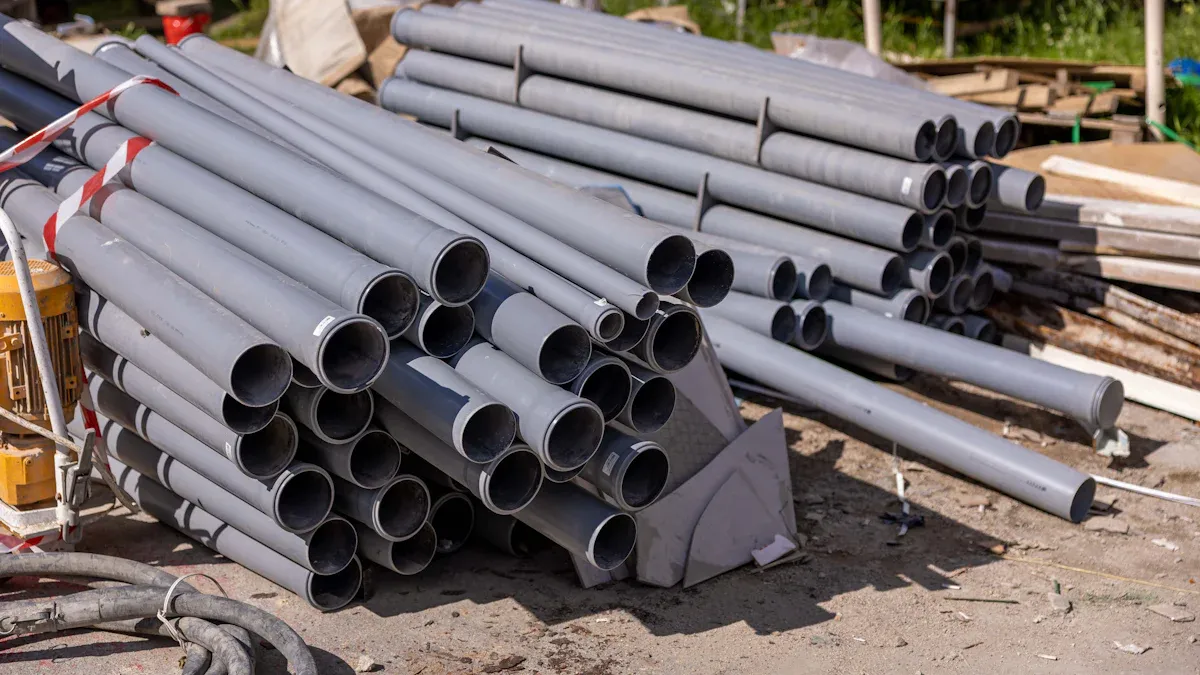
Supplier verification is a critical step in the sourcing process. Global buyers must ensure they partner with reliable manufacturers to avoid potential pitfalls. This section outlines essential practices for verifying suppliers of PPR and PVC pipe products.
Researching Supplier Backgrounds
Buyers should conduct thorough research on potential suppliers. This includes examining their history, production capabilities, and market reputation. Key aspects to consider include:
- Company History: Investigate how long the supplier has been in business. Established companies often have proven track records.
- Production Capacity: Assess whether the supplier can meet your volume requirements. This ensures timely delivery and consistent supply.
- Market Presence: Look for suppliers with a strong presence in international markets. This often indicates reliability and quality.
Utilizing online resources and industry reports can provide valuable insights into a supplier’s background.
Checking Certifications
Certifications serve as a testament to a supplier’s commitment to quality and safety standards. Buyers should prioritize suppliers with relevant certifications. The following table highlights important certifications for PPR and PVC pipe suppliers in China:
| Certification | Importance |
|---|---|
| ISO 9001 | Quality management standard |
| CE | Compliance with European safety standards |
| WRAS | Ensures water fittings are safe for use in drinking water systems |
| ISO 15874 | Plumbing standards for PPR pipes |
| NSF/ANSI 61 | Safety for drinking water system components |
Many suppliers comply with these international standards, ensuring that their products meet global quality benchmarks. For instance, Shanghai Ruihe Enterprise Group Co., Ltd holds certifications such as CE and ISO, which enhances their credibility.
Evaluating Customer Reviews
Customer reviews provide invaluable insights into a supplier’s performance. Buyers should analyze feedback to make informed decisions. Here are some effective strategies for evaluating reviews:
- Read Customer Feedback: Look for patterns in reviews. Positive comments often highlight durability, ease of installation, and cost-effectiveness.
- Identify Common Issues: Be aware of recurring complaints. Common issues reported include:
- Poor installation techniques leading to leaks.
- Inconsistent water pressure affecting performance.
- Thermal expansion causing warping.
- Lack of proper pipe support leading to sagging.
By understanding both positive and negative feedback, buyers can gauge the reliability of potential suppliers.
Negotiation Strategies
Understanding Market Prices
Global buyers must grasp market prices to negotiate effectively. Researching current pricing trends for PPR and PVC pipes helps buyers establish a baseline for negotiations. Buyers can utilize online platforms to compare prices from various suppliers. This approach enables them to identify competitive rates and avoid overpaying. Additionally, understanding seasonal fluctuations in pricing can provide leverage during negotiations. For instance, prices may rise during peak construction seasons, so timing negotiations strategically can yield better deals.
Building Relationships
Establishing strong relationships with suppliers is crucial for successful negotiations. Choosing a single manufacturer simplifies the supply chain, reducing risks associated with multiple suppliers. This arrangement enhances quality control, ensuring all products meet consistent standards. A one-stop manufacturer serves as a single point of contact, greatly simplifying communication. This setup reduces the chances of miscommunication and fosters a stronger, more transparent relationship. By consolidating production with one manufacturer, logistics are streamlined, which reduces lead times. Businesses can receive all necessary components from a single source, minimizing shipments and handling points, thus ensuring faster delivery and greater predictability in the supply chain.
Effective Communication Techniques
Effective communication is vital during negotiations. Buyers should articulate their needs clearly and listen actively to suppliers. Using straightforward language minimizes misunderstandings. Additionally, employing open-ended questions encourages dialogue and helps uncover suppliers’ capabilities. Buyers can also utilize visual aids, such as charts or product samples, to convey their expectations. This approach enhances clarity and ensures both parties are aligned on project requirements.
By implementing these negotiation strategies, global buyers can enhance their sourcing experience and secure favorable terms in their China Pipe Sourcing endeavors.
Contract Signing
Signing a contract is a crucial step in the sourcing process for PPR and PVC pipe products. A well-structured contract protects both parties and ensures clarity in the transaction. Buyers should pay attention to several key elements when drafting contracts.
Key Contract Elements
A comprehensive contract should include the following essential elements:
- Product Specifications: Clearly outline the types, sizes, and quantities of pipes and fittings.
- Delivery Terms: Specify delivery dates, shipping methods, and responsibilities for transportation costs.
- Quality Standards: Define the quality expectations and any relevant industry standards.
- Warranties and Guarantees: Include terms regarding product warranties and the process for handling defects.
These elements help prevent misunderstandings and ensure that both parties are aligned on expectations.
Legal Considerations
Buyers must consider legal aspects when signing contracts with Chinese suppliers. Understanding local laws and regulations is vital. Here are some important points to keep in mind:
- Governing Law: Specify which jurisdiction’s laws will govern the contract.
- Dispute Resolution: Include clauses that outline how disputes will be resolved, whether through arbitration or litigation.
- Intellectual Property Rights: Protect proprietary information by including confidentiality clauses.
By addressing these legal considerations, buyers can mitigate risks and protect their interests.
Payment Terms
Payment terms play a significant role in the contract. Buyers should negotiate terms that align with their financial capabilities while ensuring supplier confidence. Common payment terms offered by Chinese PPR and PVC pipe suppliers include:
| Payment Term | Description |
|---|---|
| 30% deposit with order confirmation | Commonly required upfront payment before processing orders. |
| 70% balance before shipment | Remaining payment due prior to shipment of goods. |
| LC at sight | Letter of Credit is often used for established relationships. |
| 5-7% discount for full T/T advance | Some suppliers offer discounts for full payment in advance. |
Additionally, buyers can consider various payment methods such as T/T (Telegraphic Transfer), L/C (Letter of Credit), PayPal, and credit cards. Understanding these options allows buyers to choose the most suitable payment method for their needs.
By carefully addressing contract signing, global buyers can establish solid foundations for successful partnerships with Chinese suppliers.
Quality Control Measures
Quality control is essential in ensuring that PPR and PVC pipes meet industry standards. Global buyers should implement several measures to maintain product quality throughout the sourcing process.
Pre-Shipment Inspections
Conducting pre-shipment inspections is a critical step in quality control. Buyers should arrange for third-party inspections before products leave the factory. This process allows buyers to verify that the pipes meet specified standards. Key aspects to check during these inspections include:
- Dimensions: Ensure that the pipes conform to the required sizes.
- Material Quality: Verify that the raw materials used are of high quality.
- Functionality: Test the pipes for leaks and pressure resistance.
Research indicates that PPR pipes sourced from China have a defect rate of 72.5%, based on hydraulic testing of 1,428 households. The initial inspection failure rate for these pipes is reported at 30.2%. These statistics highlight the importance of thorough inspections to mitigate risks.
Quality Assurance Standards
Adhering to quality assurance standards is vital for maintaining product integrity. Buyers should seek suppliers who comply with international quality standards, such as ISO 9001 and CE certifications. These certifications demonstrate a commitment to quality management and safety. Buyers can also request documentation that outlines the supplier’s quality control processes. This documentation should include:
- Testing Procedures: Details on how products are tested for quality.
- Quality Control Personnel: Information about the team responsible for quality assurance.
- Audit Reports: Results from previous audits conducted by third parties.
Handling Defects and Returns
Despite rigorous quality control measures, defects may still occur. Buyers should establish clear procedures for handling defects and returns. This process should include:
- Return Policy: Define the conditions under which products can be returned.
- Defect Reporting: Implement a system for reporting defects promptly.
- Replacement or Refund Options: Offer buyers choices for resolving issues, such as replacements or refunds.
By proactively addressing defects, buyers can maintain strong relationships with suppliers and ensure customer satisfaction.
Efficient sourcing methods are essential for global buyers seeking PPR and PVC pipes. Implementing the strategies discussed can lead to significant advantages, including cost savings and improved product quality.
- The PPR pipes market is projected to grow from $1.7 billion in 2024 to $2.2 billion by 2030. This growth reflects strong demand driven by urbanization and a shift from metal piping.
- PPR pipes withstand high pressures and resist scaling, rust, and chemical aggression, ensuring water quality and safety.
By fostering strong partnerships with reliable Chinese suppliers, buyers can enhance their sourcing experience and achieve long-term success.
FAQ
What are PPR and PVC pipes used for?
PPR and PVC pipes serve various applications, including water supply, drainage, irrigation, and heating systems. Their durability and resistance to corrosion make them ideal for both residential and industrial use.
How can I find reliable suppliers in China?
Global buyers can find reliable suppliers through online platforms like Alibaba, attending trade exhibitions, or hiring sourcing agents. Researching supplier backgrounds and checking certifications also helps ensure reliability.
What certifications should I look for in suppliers?
Buyers should prioritize suppliers with certifications such as ISO 9001, CE, and NSF/ANSI 61. These certifications indicate compliance with international quality and safety standards.
How do I handle defects in products?
Establish clear procedures for reporting defects and returning products. Include a return policy in contracts and offer options for replacements or refunds to maintain strong supplier relationships.
What payment methods are commonly accepted?
Common payment methods include T/T (Telegraphic Transfer), L/C (Letter of Credit), PayPal, and credit cards. Buyers should choose methods that align with their financial capabilities and supplier preferences.