Fire Protection and Potable Water Go Green with CPVC

CPVC piping systems serve as a cornerstone for sustainable construction in both fire protection and potable water systems. The global green building materials market demonstrates substantial growth, with estimates around $400 billion in recent years. This market is projected to reach $530.33 billion by 2029, growing at a compound annual rate of 9.5%. CPVC Pipes meet this increasing demand for environmentally responsible building materials. They position themselves as a leading solution for critical building applications, including their associated CPVC pipe fittings.
Key Takeaways
- CPVC pipes help build green buildings. They use less energy to make than metal pipes.
- CPVC pipes keep drinking water safe. They do not add bad chemicals to the water.
- CPVC pipes are good for fire safety. They work well in fires and last a long time.
- CPVC pipes are easy to put in. This saves time and reduces waste.
- CPVC pipes help buildings get green awards. They are good for the environment.
The Green Building Imperative: Why Material Choices Matter
Defining Green Building and its Core Goals
Green building involves creating structures that are environmentally responsible and resource-efficient throughout their entire life cycle. This practice encompasses siting, design, construction, operation, maintenance, renovation, and deconstruction. The approach aims to reduce a building’s overall environmental impact. It efficiently uses energy, water, and other resources. It also minimizes pollution and protects occupant health through improved indoor air quality and natural lighting. Core goals include efficient resource use, reduced emissions, and healthy indoor environments. Green buildings also focus on responsible material sourcing and adapting to climate risks. They help reduce carbon, water, energy, and waste. For example, green buildings can achieve significant reductions in CO2 emissions and energy consumption. They also promote responsible consumption and production, aiming for a circular economy.
Challenges with Traditional Piping Materials
Traditional piping materials often present significant environmental and safety challenges. Copper mining, for instance, raises potential environmental concerns. It involves extensive raw material extraction, which can lead to habitat destruction, soil erosion, and water pollution from chemical runoff. Galvanized steel pipes also pose issues. Their zinc coating can wear off, causing internal rusting. This corrosion compromises water quality and leads to blockages.
Beyond environmental impact, traditional materials introduce safety concerns in potable water systems. Bacterial growth can occur when bacteria settle and multiply in pipes. Materials like copper and galvanized steel can corrode, creating rough surfaces where bacteria thrive. This leads to water contamination. Some plastic pipes can also leach chemicals into drinking water. This poses health hazards. Additionally, plastic pipes are susceptible to permeation. External contaminants, such as volatile organic compounds, can pass through the pipe wall into the drinking water.
Environmental and Safety Advantages of CPVC Pipes in Potable Water Systems
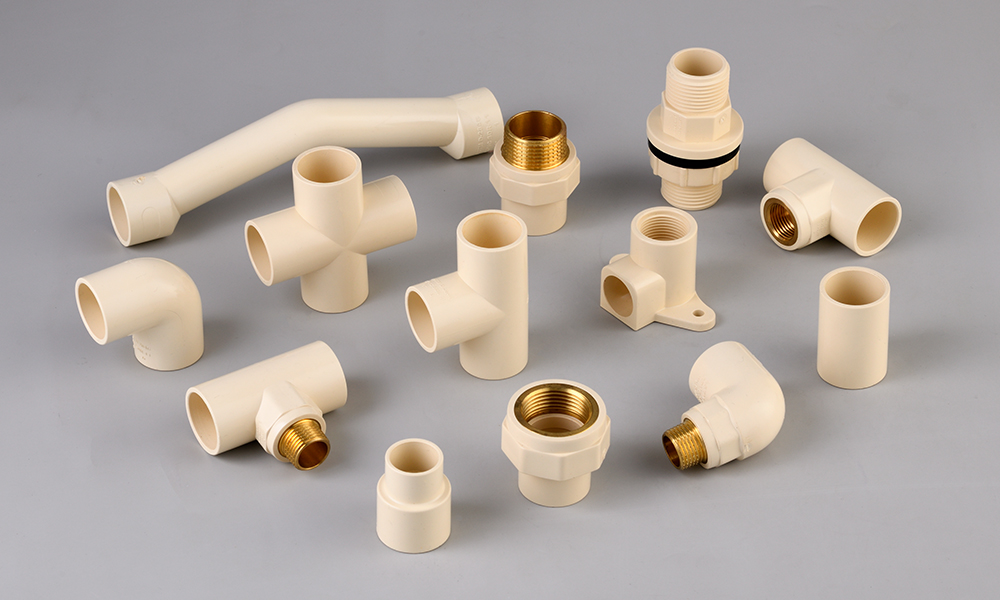
Environmental Benefits of CPVC Pipes in Potable Water
CPVC pipe manufacturing requires less energy compared to metal pipes. This contributes to lower greenhouse gas emissions. Its production process is also less energy-intensive than alternatives like copper. The CPVC manufacturing process and its entire lifecycle have a lower energy footprint. CPVC pipes and fittings require significantly less energy compared to other materials. Specifically, CPVC manufacturing consumes less energy than most other polymers due to its low petroleum content. Its transportation and processing also require significantly less energy than copper. It uses significantly fewer fossil fuels than PPR, making it an energy-efficient option with a lower potential to contribute to global warming. CPVC is a lightweight material. It requires fewer resources for manufacturing, transportation, and installation compared to traditional materials like metal or concrete. This reduces its overall environmental impact. CPVC pipes demonstrate a lower carbon footprint compared to metal pipes. This is primarily due to reduced energy consumption during their production. Furthermore, CPVC piping systems contribute to energy efficiency, particularly in hot water applications. They effectively insulate heat, which lowers energy costs and subsequently reduces their overall environmental impact over their lifecycle.
Ensuring Potable Water Safety with CPVC Pipes
Ensuring the safety of drinking water remains paramount. CPVC pipes offer a reliable solution for potable water systems. They meet stringent health and safety standards globally. Various certifications confirm CPVC’s suitability for potable water safety.
| Certification | Scope | Limitations | Verification Method |
|---|---|---|---|
| NSF/ANSI 61 | Material safety | Doesn’t cover mechanical performance | Laboratory extraction tests |
| NSF/ANSI 14 | Physical properties | Doesn’t address chemical safety | Physical testing, measurements |
| NSF PW-G | System performance | Specific to pressure piping | Comprehensive system testing |
NSF/ANSI 14 certifies CPVC pipes and fittings for minimum performance and code requirements in potable water systems. This aligns with standards like the Uniform Plumbing Code. NSF/ANSI 61 ensures CPVC materials meet health and regulatory requirements in the US, Canada, and other countries for drinking water applications. It verifies that extractable levels are within permissible limits.
Many regions have specific requirements for potable water systems:
- North American Requirements
- NSF/ANSI 61 serves as the baseline health effect standard.
- Plumbing codes (UPC, IPC) require NSF certification.
- State-specific additional requirements exist, such as California’s Proposition 65.
- CSA B137.6 in Canada complements NSF standards.
- European Union Regulations
- The KTW-BWGL certificate is required in Germany (BAM Federal Institute).
- WRAS approval is necessary in the United Kingdom.
- ACS certification applies in France.
- Pan-European acceptance of NSF occurs in some applications.
- Asian Market Approvals
- China’s GB/T 17219 standard has NSF recognition.
- Japan’s JIS standards include JWWA certification.
- Singapore’s PUB requirements accept NSF.
- India’s BIS certification aligns with NSF.
These certifications ensure CPVC pipes do not leach harmful chemicals into the water. They also resist bacterial growth, providing clean and safe drinking water for consumers.
Installation Efficiency and Resource Conservation with CPVC Pipes
CPVC pipes offer significant advantages in installation efficiency. Their lightweight nature simplifies handling and transportation. This reduces labor requirements and equipment needs on job sites. Installers can join CPVC pipes quickly and easily using solvent cement. This method eliminates the need for heat fusion or heavy machinery. Faster installation times translate into reduced project costs and less disruption. The ease of installation also minimizes material waste. Less material waste contributes to overall resource conservation. This efficiency makes CPVC a preferred choice for sustainable construction projects.
Enhancing Fire Safety and Sustainability with CPVC Pipes
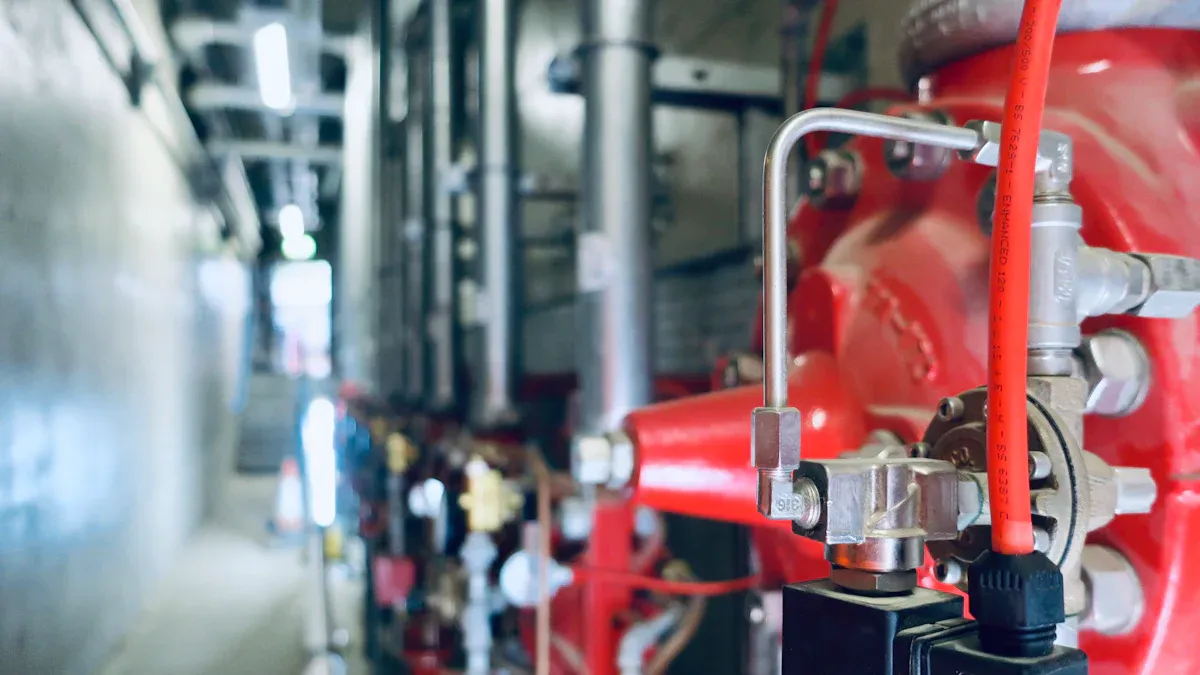
Environmental Impact of CPVC Pipes in Fire Sprinkler Systems
CPVC piping systems offer significant environmental advantages in fire sprinkler applications. Their production process demonstrates a lower environmental footprint compared to traditional materials. An ISO-compliant study rigorously compared BlazeMaster® CPVC fire protection systems against steel across 13 environmental impact categories. This comprehensive analysis revealed that BlazeMaster® CPVC outperformed steel in 12 of these 13 categories. One critical area where CPVC showed clear superiority was in the “Depletion of water” category. This category specifically measures the usage of fresh water at a rate faster than its natural replenishment.
CPVC also contributes to sustainability throughout its lifecycle. BlazeMaster CPVC is considered a sustainable material from its manufacturing process to its eventual recycling. This provides a reliable, long-term resource for fire safety professionals. While copper is highly recyclable and contributes to its reputation as an environmentally sound material, its high recyclability and increasing value can unfortunately lead to jobsite theft. This presents a disadvantage for building owners. In contrast, CPVC piping systems have low scrap value. This characteristic makes them less susceptible to jobsite theft compared to copper, offering a practical benefit for construction projects.
Superior Fire Safety Performance of CPVC Pipes
CPVC pipes demonstrate superior fire safety performance, confirmed by extensive independent testing. Underwriters Laboratories (UL) conducts rigorous evaluations on CPVC pipes specifically for fire protection service. These tests include UL 1821, which covers Thermoplastic Sprinkler Pipe and Fittings for Fire Protection Service, and UL 1887, the Standard for Safety Fire Test of Plastic Sprinkler Pipe for Visible Flame and Smoke Characteristics. UL’s fire test involves exposing the pipe to an intense 1,600°F (870°C) fire. The sprinkler activates after approximately one minute, and the pipe remains in direct contact with the fire plume at temperatures between 700°- 900°F (370°- 483°C) for ten minutes. Factory Mutual (FM) also approves CPVC pipes and fittings. They are approved for use in exposed aboveground wet pipe fire protection systems for light hazard occupancy sprinkler systems. These certifications underscore the reliability and safety of CPVC in critical fire protection scenarios.
Corrosion Resistance and System Longevity of CPVC Pipes
CPVC pipes offer a long, low-maintenance service life that typically surpasses traditional metallic systems. This longevity stems from their natural immunity to scale, corrosion, and microbiologically influenced corrosion (MIC). CPVC demonstrates strong resistance to corrosion, which proves particularly beneficial in environments where metal piping degrades quickly. BlazeMaster CPVC eliminates concerns associated with steel pipe systems, such as corrosion or scaling that can negatively impact hydraulics. It also possesses natural immunity to microbiologically influenced corrosion (MIC).
This inherent resistance translates into consistent hydraulic performance over time. Reliable hydraulic performance is crucial for effective fire control, suppression, or extinguishment. Pipe surface roughness directly impacts hydraulic performance; rougher surfaces require more energy to pump water. BlazeMaster CPVC has a Hazen-Williams C-Factor of 150 and maintains this rating throughout its service life. New steel pipe begins with a C-Factor of 120, which can decrease by as much as 50% due to corrosion impacting hydraulics. CPVC starts with better hydraulic performance, and this advantage grows over time as corrosion affects steel pipes.
| Pipe Type | Service Life/Corrosion Resistance |
|---|---|
| BlazeMaster CPVC | Resists corrosion and scaling for up to 50 years; immune to microbiologically influenced corrosion (MIC). |
| Steel (Dry Systems) | 73% have significant corrosion issues at 12.5 years old. |
| Steel (Wet Systems) | 35% have significant corrosion issues after 25 years; damages can occur as soon as two years after installation. |
| Pipe Type | Initial Hazen-Williams C-Factor | C-Factor Over Time |
|---|---|---|
| BlazeMaster CPVC | 150 | Retains 150 throughout its life. |
| Steel | 120 | Drops by over 50% for pipes in service for 4 to 40 years due to surface deterioration. |
Beyond Pipes: The Holistic Green Impact of CPVC
CPVC Pipes’ Contribution to Green Building Certifications
CPVC systems significantly contribute to achieving various green building certifications, including LEED, NGBS Green, GRIHA, and IGBC Green Pro. For instance, specifiers can earn points under LEED v4 for Building Design and Construction. These points come from categories like “Materials & Resources: Building Product Disclosure and Optimization – Environmental Product Declarations” and “Construction and Demolition Waste Management.” CPVC’s low embodied energy and efficient production processes support these credits. Its non-toxic nature and resistance to microbial growth also contribute to points for low-emitting materials and healthy indoor environments. FlowGuard Gold CPVC, for example, is the only residential plumbing pipe system to achieve Home Innovation NGBS Green Certification. This certification independently verifies its improvement in environmental impact measures by an average of 15% or more. Furthermore, CPVC aligns with sustainable practices for GRIHA Certification and has earned IGBC Green Pro Certification, emphasizing reduced environmental impact and enhanced energy efficiency.
Life Cycle Assessment (LCA) Perspective of CPVC Pipes
A comprehensive Life Cycle Assessment (LCA) reveals the environmental advantages of CPVC over its entire lifespan. FlowGuard Gold CPVC has the plumbing pipe industry’s first ISO-compliant, third-party verified cradle-to-grave LCA. This assessment outlines the environmental impacts of the material. Compared to PEX, CPVC outperforms in eight out of nine traditional environmental categories. It also demonstrates 5% less energy waste and conserves 10-15% more water in residential plumbing systems than PEX. Against copper, CPVC shows 17% less energy waste and 30% less water waste. CPVC also exhibits a 21% lower lifecycle human health cancer toxicity and 29% lower non-cancer toxicity than PEX. These findings underscore CPVC’s superior environmental performance and its role in fostering more sustainable construction practices.
CPVC Pipes offer significant environmental and safety advantages for both fire protection and potable water systems. They play a crucial role in modern green building practices. CPVC Pipes contribute to healthier, more sustainable, and safer built environments. The construction industry increasingly adopts these systems for their proven performance and eco-friendly attributes.
FAQ
What makes CPVC pipes environmentally friendly for potable water systems?
CPVC pipe manufacturing uses less energy than metal pipes. This reduces greenhouse gas emissions. CPVC’s lightweight nature also lowers transportation and installation resource needs. It offers a lower carbon footprint and contributes to energy efficiency in hot water applications.
How do CPVC pipes ensure potable water safety?
CPVC pipes meet stringent global health and safety standards. Certifications like NSF/ANSI 61 confirm their suitability for drinking water. These pipes do not leach harmful chemicals. They also resist bacterial growth, providing clean and safe water for consumers.
What are the fire safety advantages of CPVC pipes?
CPVC pipes demonstrate superior fire safety performance. Independent tests by UL and FM confirm their reliability. They resist corrosion, which maintains consistent hydraulic performance over time. This ensures effective fire control and suppression.
How do CPVC pipes contribute to green building certifications?
CPVC systems help achieve certifications like LEED and NGBS Green. They contribute points for environmental product declarations and waste management. Their low embodied energy and non-toxic nature support healthy indoor environments. CPVC also has ISO-compliant, third-party verified LCAs.
See Also
Essential Accessories to Elevate Your Air Fryer Pan Performance
Top Five Industrial Air Fryers for High-Volume Kitchen Operations
Discover If Air Fryer Baskets Are Safe for Dishwasher Cleaning
Simple Air Fryer Method for Cooking Corn on the Cob in Husk
Unlocking Five Air Fryer Secrets for Perfectly Crispy Sliced Potatoes