Everything You Need to Know About PPR Pipes & Fittings
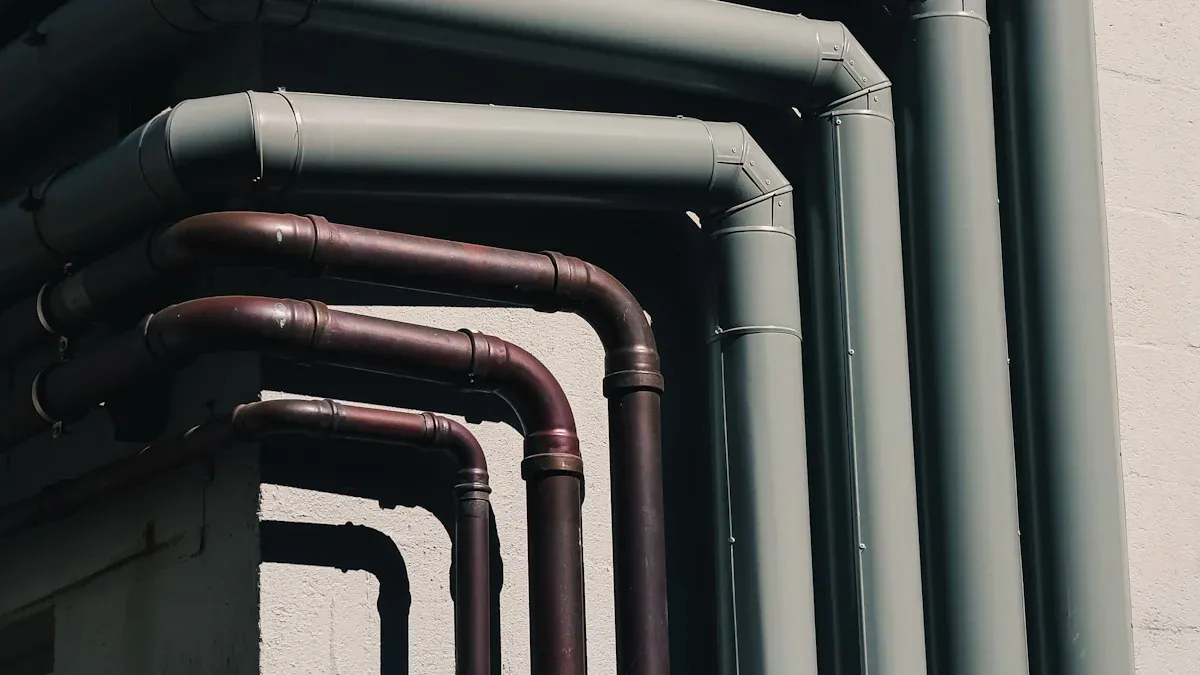
PPR Pipes & Fittings are essential components in modern plumbing systems. Made from a durable polypropylene random copolymer, these pipes provide reliable solutions for water distribution. Their lightweight nature makes installation straightforward, while their resistance to corrosion ensures longevity.
You will find PPR pipes significant for water supply systems due to their cost-effectiveness and environmental benefits. They are recyclable and have a lower environmental impact compared to traditional materials. Additionally, their energy-efficient manufacturing process aligns with sustainability goals, making them a preferred choice for both residential and commercial applications. Furthermore, PPR push fittings enhance the versatility of these systems, while PPR Copper Pipes & Fittings offer additional options for specialized applications. CPVC Pipes & Fittings also complement the range, providing further solutions for various plumbing needs.
Key Takeaways
- PPR pipes are durable and can last over 50 years, reducing the need for frequent replacements and saving you money.
- These pipes resist corrosion and chemicals, making them ideal for transporting various fluids safely.
- PPR pipes are lightweight, simplifying installation and reducing labor costs on construction sites.
- They are cost-effective, with low initial and maintenance costs, making them a smart choice for both residential and commercial plumbing.
- PPR pipes are environmentally friendly, being recyclable and produced with a lower environmental impact compared to traditional materials.
Benefits of PPR Pipes & Fittings
Durability and Longevity
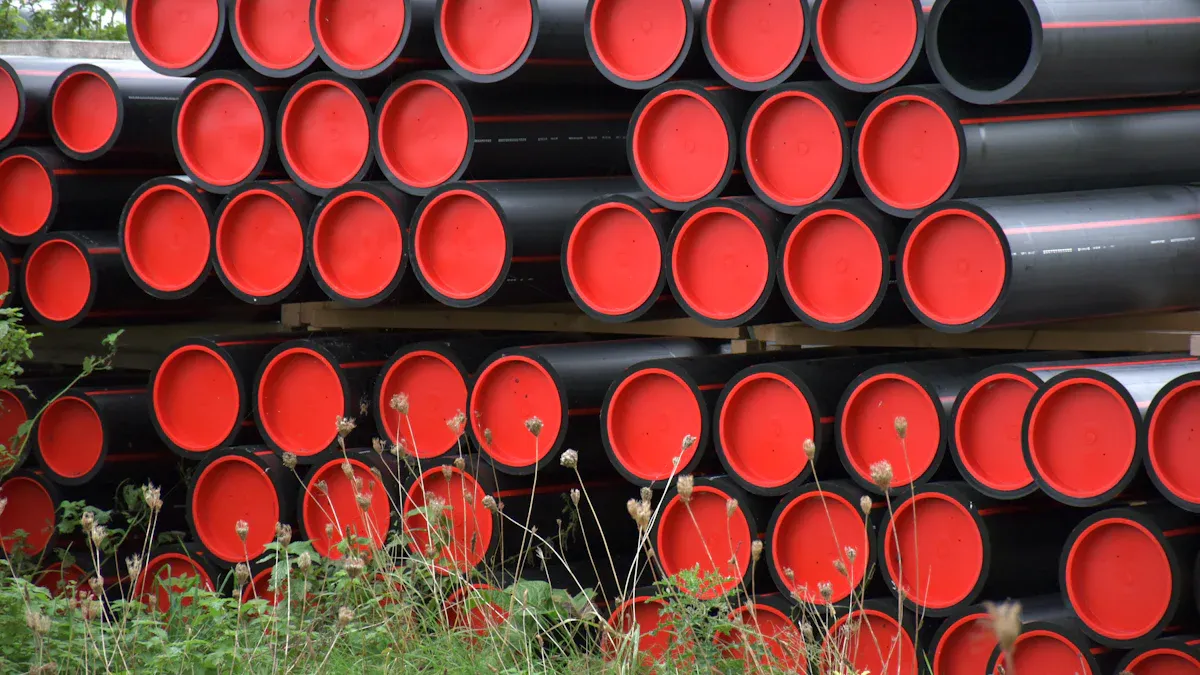
PPR pipes and fittings stand out for their impressive durability. These pipes can last over 50 years, significantly outpacing many traditional materials. For instance, a comparison of average lifespans reveals that:
| Material | Average Lifespan |
|---|---|
| PPR | Over 50 years |
| PVC | 20 to 30 years |
| Copper | 20 to 50 years |
| Steel | About 30 years |
This longevity means fewer replacements and repairs, saving you time and money in the long run. Studies have shown that PPR pipes can withstand various conditions, including frost heave, making them suitable for diverse climates. Their robust design ensures they maintain structural integrity even under stress, which is crucial for reliable water supply systems.
Corrosion Resistance
One of the standout features of PPR pipes is their excellent corrosion resistance. Unlike metal pipes, which are prone to rust and degradation, PPR pipes resist most chemicals and environmental factors. This resistance makes them ideal for transporting fluids with extreme pH levels. Here’s a quick comparison:
| Pipe Type | Corrosion Resistance | Additional Notes |
|---|---|---|
| PPR Pipes | Excellent | Inert to most chemicals, ideal for aggressive environments |
| Metal Pipes | Prone to corrosion | Requires protective measures to mitigate corrosion effects |
PPR pipes maintain their integrity against cleaning agents and disinfectants, which is essential in environments like hospitals and laboratories. Their ability to resist microbial attack and chemical corrosion further enhances their appeal for various applications.
Cost-Effectiveness
When considering the total cost of ownership, PPR pipes and fittings prove to be highly cost-effective. Their initial costs are low, and installation expenses are also minimal due to their lightweight nature. Over a 10-year period, the cost comparison with other materials shows significant savings:
| Material Type | Initial Cost | Installation Cost | Long-term Maintenance Cost | Total Cost Over 10 Years |
|---|---|---|---|---|
| PPR | Low | Low | Low | Low |
| Metal (Copper/Stainless Steel) | High | High | High | High |
| PVC | Moderate | Moderate | High | Moderate to High |
PPR plumbing systems are designed to be energy-efficient, which helps reduce long-term operational costs. Their smooth internal surfaces prevent blockages, leading to fewer maintenance requirements compared to traditional piping materials. This results in lower maintenance costs and enhances the overall cost-effectiveness of using PPR pipes in both residential and commercial settings.
Lightweight and Easy to Handle
PPR pipes and fittings are remarkably lightweight, making them a preferred choice for many plumbing projects. Their reduced weight simplifies handling and transportation on construction sites. You will find that this characteristic not only enhances efficiency but also minimizes the physical strain on workers during installation.
When comparing the weight of PPR pipes to other materials, such as PVC and copper, the differences become evident. The following table illustrates the weight characteristics of these pipe types:
| Pipe Type | Weight Characteristics | Advantages | Disadvantages |
|---|---|---|---|
| PPR Pipe | Light weight, suitable for both cold and hot water | Non-toxic, pressure resistant, corrosion resistant, no aging or leakage | Limited information on weight vs PVC |
| Copper Pipe | Heavier than PPR, suitable for cold and hot water | Corrosion resistance, sterilization, high-grade material | Expensive, potential aging issues |
The lightweight nature of PPR pipes allows for easier maneuverability, especially in tight spaces. You can quickly transport these pipes without the need for heavy machinery, which can save time and reduce labor costs. Furthermore, the installation process is streamlined by the use of heat fusion welding. This method not only enhances efficiency but also ensures strong, leak-proof joints.
In addition to their ease of handling, PPR pipes are designed to withstand various environmental conditions. Their robust construction ensures that they maintain structural integrity, even under stress. This durability, combined with their lightweight nature, makes PPR pipes an excellent choice for both residential and commercial applications.
Overall, the lightweight and easy-to-handle characteristics of PPR pipes and fittings contribute significantly to their popularity in modern plumbing systems. You will appreciate the convenience they offer, whether you are a professional plumber or a DIY enthusiast.
Applications of PPR Pipes & Fittings
Residential Water Supply
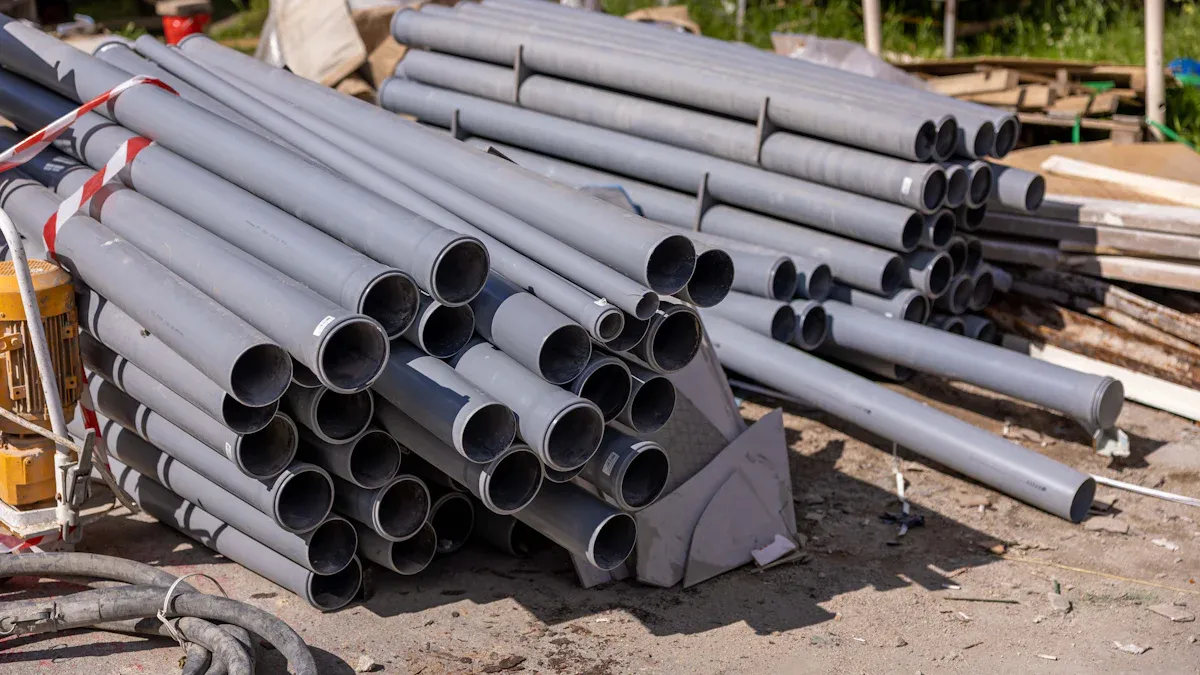
PPR pipes and fittings have become a popular choice for residential water supply systems. In fact, over 75% of newly constructed residential buildings in China and India incorporate PPR piping systems. This trend highlights the growing recognition of their benefits. Here are some key advantages of using PPR pipes in residential plumbing:
- Weight and Handling: PPR pipes are lighter, making them easier to handle and install. This reduces transportation costs and installation time.
- Ease of Installation: The heat fusion welding method used for PPR ensures leak-free joints, simplifying the installation process compared to metal pipes that require skilled labor for threaded connections or welding.
- Maintenance and System Reliability: PPR pipes require minimal maintenance due to their corrosion resistance and stable fusion joints, enhancing reliability.
- Water Quality and Safety: Unlike metal pipes, PPR pipes do not leach harmful substances, ensuring clean water delivery.
- Pressure and Temperature Resistance: PPR pipes can withstand high temperatures and pressures, maintaining their properties over time without corrosion.
- Environmental Sustainability: PPR is recyclable and has a smaller environmental footprint compared to metal pipes.
- Cost Comparison: PPR pipes generally have lower initial costs and reduced long-term expenses due to lower maintenance needs.
Commercial Water Supply
In commercial settings, PPR pipes are widely used for water distribution. They are particularly favored in various types of buildings, including:
| Commercial Building Type | Applications of PPR Pipes |
|---|---|
| Office Buildings | Potable water supply, HVAC systems |
| Hotels | Potable water supply, HVAC systems, fire suppression systems |
| Hospitals | Potable water supply, HVAC systems, fire suppression systems |
The benefits of PPR pipes in commercial water supply systems are well-documented. Industry case studies reveal several advantages:
| Benefit | Description |
|---|---|
| Reduced Maintenance Costs | PPR pipes significantly lower maintenance costs over decades in large-scale projects. |
| Resistance to Chemical Stress | Their resistance to chemical and thermal stresses ensures system uptime and worker safety. |
| Faster Project Completion | Project managers report that PPR contributes to quicker project completion and lower operational costs. |
Industrial Applications
PPR pipes are also making waves in industrial applications. Industries utilize these pipes for transporting chemicals and fluids due to their durability. Here are some sectors that have adopted PPR pipes:
- Food Processing: Chosen for their non-corrosive and non-toxic properties, ensuring the safety of consumables.
- Chemical Transport: Relied upon for secure transportation of chemicals due to corrosion resistance.
- General Industries: Used for durability and resistance to harsh conditions, suitable for high temperatures and corrosive substances.
PPR pipes excel in high-temperature and pressure environments. They maintain 60-70% of their room temperature pressure capacity at 80°C, outperforming PEX pipes, which only retain 40-50% of their cold water pressure ratings at similar temperatures. This makes PPR pipes superior for high-temperature pressure applications. Their ability to withstand harsh environments and corrosive substances ensures they maintain structural integrity across a wide temperature range.
Installation Guidelines for PPR Pipes & Fittings
Tools Required
To install PPR pipes and fittings effectively, gather the following essential tools:
- PPR Pipes
- Cutting Tool
- PPR Fittings
- Measuring Tape
- Cleaning Material
- PPR Welding Machine
- Hacksaw or Sandpaper
- Wrenches
- Screwdrivers
Having the right tools ensures a smooth installation process and helps you avoid unnecessary complications.
Step-by-Step Installation Process
Follow these steps for a successful installation of PPR pipes and fittings:
- Planning and Preparation: Start by planning the layout of your PPR piping system. Determine the diameter and locations for supply and distribution lines.
- Tools and Materials: Gather all necessary tools, including PPR pipes, fittings, valves, and a welding machine.
- Preparation of Pipes and Fittings: Cut the pipes to the required lengths, deburr the ends, and clean both the fittings and pipes to ensure a secure connection.
- Installation of PPR Pipes and Fittings: Mark the connection locations, apply Teflon tape where necessary, and weld the pipes and fittings together using the PPR welding machine.
- Pressure Test: After installation, conduct a pressure test to check for leaks or defects in the system.
- Covering and Finishing: Insulate the piping system and cover it with drywall or other finishing materials to protect it.
Common Mistakes to Avoid
Avoid these common installation errors to ensure a successful project:
- Insufficient Preparation: Always inspect pipes for defects and ensure the piping system is clean before starting.
- Poor Jointing: Use the correct fusion temperature and time to create strong joints.
- Improper Alignment: Utilize fitting tools to align pipes properly and prevent kinks.
- Inadequate Support: Provide support brackets to prevent sagging of pipes, which can lead to leaks.
- Inadequate Testing: Thoroughly test the system to ensure it is leak-free before putting it into operation.
By following these guidelines, you can ensure a successful installation of PPR pipes and fittings, leading to a reliable and efficient plumbing system.
Maintenance Tips for PPR Pipes & Fittings
Regular Inspections
Regular inspections are crucial for maintaining the integrity of your PPR piping system. You should conduct these inspections at least quarterly. If your environment is less controlled or if you are dealing with critical applications, increase the frequency to monthly. During inspections, check for wear, corrosion, or damage. Here are some recommended checks:
- Visual Inspections: Look for any visible signs of wear or leaks.
- Pressure Tests: Ensure the system maintains the required pressure.
- Leak Checks: Regularly check joints and fittings for any signs of leakage.
Cleaning Procedures
Keeping your PPR pipes clean is essential for optimal performance. Here’s a table outlining effective cleaning methods:
| Cleaning Method | Description |
|---|---|
| Mild Detergent and Water | Use to clean the outside of the pipes; avoid abrasive cleaners to prevent damage. |
| Pipe Cleaning Solution | For suspected internal buildup; follow instructions for safe use. |
| Isopropyl Alcohol (70%) | Wipe cut edges to remove oils; avoid acetone as it can degrade PPR. |
| Compressed Air Blowout | Use to dislodge dust from pipe interiors; wear eye protection. |
| Initial Flush with Clean Water | Run potable water for 10–15 minutes post-installation to remove debris. |
| Chemical Flush (Citric Acid) | Use a 1–2% solution for heavy contamination; rinse thoroughly afterward. |
| Mechanical Cleaning (Pipe Brush) | For severe blockages; use a nylon bristle brush to scrub interiors, avoiding metal brushes. |
To maintain your pipes effectively, follow these steps:
- Wipe cut edges with isopropyl alcohol to remove oils.
- Use compressed air to blow out dust from the pipe interiors.
- Perform an initial flush with clean water for 10–15 minutes.
- If needed, conduct a chemical flush with a citric acid solution.
- For severe blockages, use a mechanical cleaning brush.
Troubleshooting Common Issues
You may encounter some common issues with PPR pipes. Here are a few problems and recommended troubleshooting steps:
- Leaks at Joints: Check for water seepage; if leaks persist, re-weld the joints.
- Incorrect Installation: Always follow manufacturer instructions. Consult a professional if you are unsure.
- Damage: Regularly inspect fittings and replace any that show signs of damage.
- Clogged Pipes: Remove fittings to check for blockages; use a plumbing snake to clear any obstructions.
- Heat Damage: Avoid excessive heat exposure; ensure fittings are installed in appropriate locations.
By following these maintenance tips, you can ensure the longevity and reliability of your PPR pipes and fittings, keeping your plumbing system in excellent condition.
Comparison of PPR Pipes & Fittings with Other Materials
PPR vs. PVC
When comparing PPR pipes to PVC pipes, several key differences emerge:
| Property | PPR Pipes | PVC Pipes |
|---|---|---|
| Temperature Resistance | Up to 95°C | Limited to lower temperatures |
| Pressure Resistance | Higher pressure ratings (PN16, PN20, PN25) | Lower pressure ratings |
| Application Suitability | Ideal for hot water systems | Suitable for chemical resistance and drainage systems |
PPR pipes excel in high-temperature applications, making them ideal for hot water distribution. They also require less maintenance due to their durability and resistance to corrosion. In contrast, PVC pipes may need more frequent checks for leaks and joint integrity.
PPR vs. Copper
PPR pipes offer distinct advantages over copper pipes, particularly in cost and thermal conductivity:
| Feature | PPR Pipe Fitting | Copper Pipe |
|---|---|---|
| Heat Loss | Minimal | Higher |
While copper pipes have a longer lifespan of 60 to 70 years, PPR pipes are 40 to 60% cheaper. This cost-effectiveness, combined with a service life of over 50 years, makes PPR a compelling choice for many plumbing projects.
PPR vs. Galvanized Steel
When considering PPR pipes against galvanized steel, you should note several factors:
- Corrosion Resistance: PPR pipes resist corrosion, while galvanized steel can rust over time, affecting connection integrity.
- Installation Complexity: Connecting PPR to galvanized steel requires transition fittings, complicating the installation process.
- Maintenance Needs: Galvanized steel pipes need regular monitoring to prevent rust, whereas PPR pipes require minimal maintenance.
PPR pipes and fittings play a crucial role in modern plumbing systems. Their durability, leak resistance, and ease of installation make them a top choice for various applications. Here are some key advantages to consider:
- Durability: PPR fittings are strong and suitable for both underground and visible installations.
- Leak Resistance: The thermal fusion process creates seamless joints, minimizing leak risks.
- Environmental Benefits: Made from non-toxic, recyclable materials, PPR fittings ensure safety for users and the environment.
When choosing PPR for your water supply systems, you benefit from lower lifecycle costs and compliance with international plumbing standards. By analyzing your project’s specific demands, you can ensure a reliable and efficient plumbing solution.
FAQ
What are PPR pipes made of?
PPR pipes consist of polypropylene random copolymer. This material provides excellent durability, corrosion resistance, and thermal stability, making it ideal for various plumbing applications.
How long do PPR pipes last?
PPR pipes can last over 50 years with proper installation and maintenance. Their durability reduces the need for frequent replacements, saving you time and money.
Can PPR pipes be used for hot water?
Yes, PPR pipes are suitable for hot water applications. They can withstand temperatures up to 95°C, making them ideal for both hot and cold water systems.
Are PPR pipes environmentally friendly?
Absolutely! PPR pipes are recyclable and have a lower environmental impact compared to traditional materials. Their production process also aligns with sustainability goals.
How do I install PPR pipes?
To install PPR pipes, gather the necessary tools, cut the pipes to size, clean the ends, and use a PPR welding machine to fuse the joints. Always conduct a pressure test after installation.