Decoding PN16 PP Compression Fittings Essential Insights for Distributors
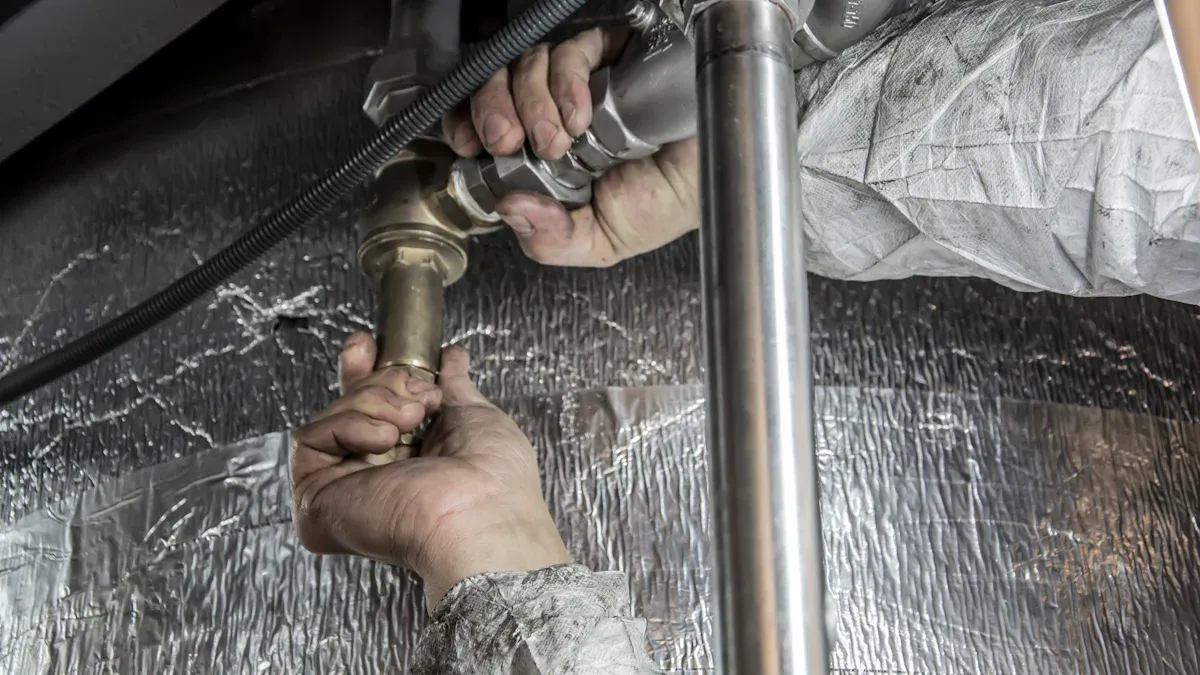
PN16 PP compression fittings present significant value for distributors. These robust components are essential for various plumbing and irrigation systems. As a PP compression fitting supplier, you offer reliable solutions to your customers. The durability of PP compression fittings PN16 ensures long-lasting performance in diverse applications. Distributors also find value in stocking HDPE pipe compression fittings, which complement PP offerings. A strong polypropylene compression fittings manufacturer ensures consistent product quality. This makes them a prime choice for irrigation pipe fittings wholesale.
Key Takeaways
- PN16 PP compression fittings are strong and last a long time. They are good for plumbing and irrigation systems.
- Polypropylene (PP) material resists chemicals and corrosion. This makes the fittings reliable and easy to install.
- PN16 means the fittings can handle 16 bars of pressure at 20°C. This is important for safety and choosing the right part.
- These fittings are great for irrigation, water supply, and some industrial uses. They are easy for installers to use.
- Distributors should stock common sizes and market the benefits. Partnering with a good supplier ensures quality products.
Understanding PP: Material Advantages for Distributors
Polypropylene Characteristics for Compression Fittings
Polypropylene, or PP, offers many advantages for compression fittings. This material is well-suited for various plumbing and irrigation needs. Polypropylene is known for its high chemical resistance. It handles organic solvents, acids, and alkalis effectively. This makes it useful in applications with mixtures of acids, bases, and solvents, such as in laboratory and industrial drainage systems. However, polypropylene should not contact strong oxidizing acids, chlorinated hydrocarbons, and aromatics.
PP fittings also show excellent and high chemical resistance. They handle a wide range of aggressive chemicals without breaking down or corroding. This material resists UV rays. It also resists many chemicals, including acids and alkalis. Polypropylene does not corrode. This ensures the fittings remain intact and functional over time. The tensile strength of polypropylene is 4,500 psi. When 20% glass is added, this strength increases to 6,400 psi. This robust nature makes PP a reliable choice for demanding applications.
Benefits of PP in Plumbing and Irrigation Systems
Polypropylene brings significant benefits to plumbing and irrigation systems. Its properties lead to long-term savings and improved performance.
Polypropylene plastic pipe is a game changer in those tough situations. They resist corrosion like a champ, making them perfect for environments where chemicals are a regular visitor. Unlike metal tubes that can rust and wear down over time, polypropylene keeps its cool, ensuring a longer lifespan. This durability means less time worrying about maintenance and more confidence in your piping system.
PP pipes boast fantastic resistance to corrosion, scaling, and other common issues. These problems often affect metal pipes. This leads to minimal upkeep and long-term savings. Their lightweight nature simplifies handling and installation. This reduces physical strain on workers. It also allows for faster project completion, which helps keep labor costs down.
Studies show that companies using plastic piping have seen maintenance costs drop by as much as 30% over the life of the project. That’s a pretty compelling reason to consider this material! Plus, with polypropylene costing around $0.27 per kilogram, it’s competitive with PVC, which runs about $0.28 per kilogram.
Polypropylene offers a great balance between performance and price. It has lower maintenance and installation costs. Its price point is competitive compared to PVC. Installation is straightforward. It often requires fewer specialized tools and less skilled labor. This reduces labor costs and time.
Ensuring High-Grade PP for Product Longevity
Distributors must ensure they stock high-grade PP compression fittings. The quality of the raw material directly impacts product longevity. High-quality polypropylene ensures fittings withstand harsh conditions and provide reliable service for many years. Manufacturers like Donsen adopt imported high-quality raw materials to produce their products. This ensures product quality. They also introduce advanced production lines, such as fiberglass production lines and PPR brass and plastic production lines.
Certifications also indicate product quality. Companies like Donsen have passed numerous international certifications. These include CE certification from the European Union, NSF certification in the USA, SABs certification in South Africa, GOST certification in Russia, WRAS certification in England, SIAA certification in Japan, and Germany’s SKZ certification. These certifications confirm the products meet strict quality and safety standards. Stocking certified, high-grade PP fittings builds customer trust. It also enhances a distributor’s reputation for providing durable and reliable solutions. This commitment to quality ultimately leads to greater customer satisfaction and business growth.
Deciphering PN16: Pressure Rating Essentials for Distributors
What PN16 Means for System Performance
Understanding the PN rating is crucial for distributors. PN stands for “Pressure Nominal.” It indicates a material’s pressure rating. This designation does not directly correlate to pressure in bars. Instead, it offers a standardized way to classify materials based on their capacity to handle pressure. The PN rating system is common in European standards. It is widely adopted for pipes, valves, and fittings.
The PN number itself is dimensionless. It acts as a label, such as PN 10 or PN 25. However, the underlying pressure is most often expressed in bar. For example, PN 10 implies a nominal pressure of 10 bar under reference conditions. One can also convert it to MPa (megapascals), where 1 bar equals 0.1 MPa. PN indicates the maximum internal pressure a valve can safely handle under standard conditions. These conditions are typically around 20 °C. It assumes ideal material strength and standard fluid behavior.
Nominal Pressure (PN) is a reference pressure rating. It is primarily used for standardizing and classifying piping components. These components include valves, flanges, and fittings. It represents the pressure a component can safely withstand at a reference temperature. This temperature is typically under standard conditions. PN is not the actual operating pressure. It is a designation indicating the component’s mechanical strength. It is expressed in megapascals (MPa) or as “PN” followed by a number (e.g., PN10 = 1.0 MPa). PN serves as a simplified indicator for selecting compatible pipeline elements.
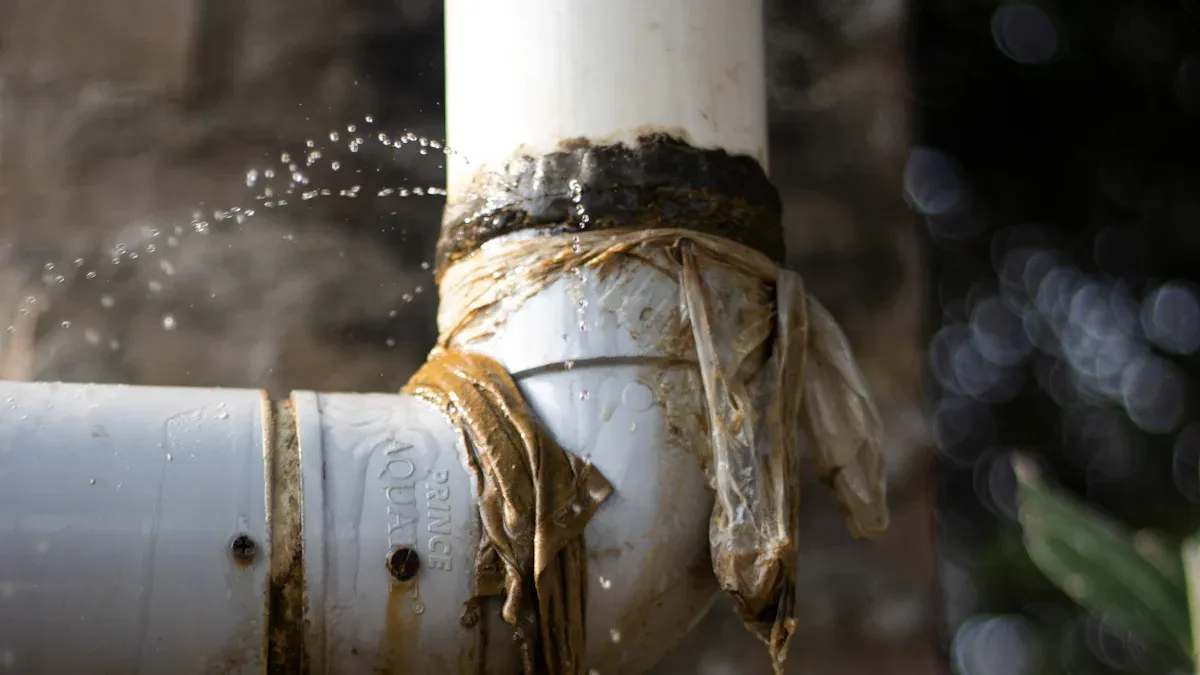
PN16 fittings handle a maximum operating pressure of 16 bars. They are typically used in medium-pressure applications. These applications include commercial buildings and industrial facilities with moderate water pressure. PN16 fittings operate safely at a continuous pressure of 16 bar. This applies under standard temperature conditions (20°C). The ‘PN’ in PN16 signifies ‘Pressure Nominal’. It indicates this maximum continuous operating pressure in bars at 20°C.
Importance of PN16 for Safety and Compatibility
Choosing the correct PN rating is vital for system safety and compatibility. PN16 fittings meet international safety standards. They achieve this through certifications such as NSF/ANSI 61, WRAS, and DVGW. They also comply with manufacturing standards. These include DIN 16963, ISO 3458, and ISO 4427. These standards ensure dimensional accuracy and leak resistance. They also confirm suitability for potable water applications. Manufacturers design PN16 HDPE fittings with non-toxic, food-grade materials. This meets international standards for potable water applications.
Using fittings with an inadequate pressure rating in a high-pressure system carries significant risks.
- Safety Hazards: Mismatched pressure ratings lead to mechanical failures. These failures cause leaks or explosions. They endanger lives and create unsafe work environments.
- Operational Efficiency Issues: Inadequately rated fittings reduce system performance. This leads to decreased output and quality. It also increases maintenance needs, reducing equipment availability.
- Financial Impacts: Businesses face significant costs. These include repair and replacement of damaged components. They also incur lost revenue due to downtime. Legal and compliance costs from environmental damage or personal injury are also possible. Additionally, businesses may face higher insurance premiums.
Temperature Effects on PN16 Pressure Capacity
Temperature significantly impacts the pressure capacity of PN16 PP fittings. Standard PN ratings for PP fittings are established for water at 20°C (68°F). When the water temperature rises, the maximum allowable operating pressure of these fittings decreases. This means a fitting rated for 16 bar at 20°C cannot handle 16 bar at a higher temperature. Engineers must consult pressure-temperature derating charts provided by manufacturers. These charts show how temperature affects the safe working pressure. This ensures the system remains safe and functional under varying thermal conditions.
Comparing PN16 with Other Pressure Ratings
Distributors must understand how PN16 fittings compare to other pressure ratings. This knowledge helps them guide customers to the correct product for their specific needs. Different applications require different pressure capacities. Choosing the right PN rating ensures system safety, efficiency, and cost-effectiveness.
PN16 fittings offer a robust solution for many systems. However, other ratings like PN10 also serve important purposes. PN10 fittings are designed for a maximum pressure of 10 bar (145 psi) at 20°C. They are suitable for cold water supply systems where pressure remains stable and below 8 bar. Examples include residential homes, apartments, or gardens. PN10 fittings often come with benefits like lower cost and lighter weight. In contrast, PN16 fittings handle a maximum pressure of 16 bar (232 psi) at 20°C. They are ideal for systems that might experience fluctuating or high pressure. These include demanding environments like high-rise buildings or industrial plants. PN16 fittings are also suitable for both cold and hot water applications. Their greater strength and safety make them a good choice for commercial or multi-story buildings.
This table highlights key differences between PN10 and PN16:
| Feature | PN10 | PN16 |
|---|---|---|
| Pressure Rating | 10 bars (145 psi) | 16 bars (232 psi) |
| Applications | Low-pressure systems (e.g., water, air), municipal water supply, irrigation, low-pressure HVAC | Moderate-pressure systems (e.g., industrial water, hydrocarbons), industrial settings, chemical plants, oil refineries, cooling water systems, compressed air systems |
| Dimensions (≤ DN150) | Identical to PN16 | Identical to PN10 |
| Dimensions (> DN150) | Thinner walls, smaller bolt holes | Thicker walls, larger bolt holes |
| Cost | Generally lower | Higher due to increased material and strength |
Choosing PN16 over lower-rated fittings involves considering cost implications. The PN16 standard for DONSEN PP fittings balances durability with cost-effectiveness. This means PN16 provides strong performance while also considering economic factors. It offers a favorable cost-benefit ratio compared to alternatives that might be over-engineered or under-engineered.
Investing in PN16 fittings often leads to long-term savings. They reduce maintenance needs. Fewer replacements are required over the system’s lifespan. Their simplified installation also leads to lower labor costs. The lightweight design minimizes the need for heavy equipment or specialized tools. Furthermore, PN16 fittings resist corrosion and chemical attack. This eliminates the need for frequent repairs. Distributors can confidently recommend PN16 fittings for projects requiring reliable, durable, and economically sound solutions.
Key Applications and Market Opportunities for PN16 PP Compression Fittings
Ideal Use in Irrigation Systems
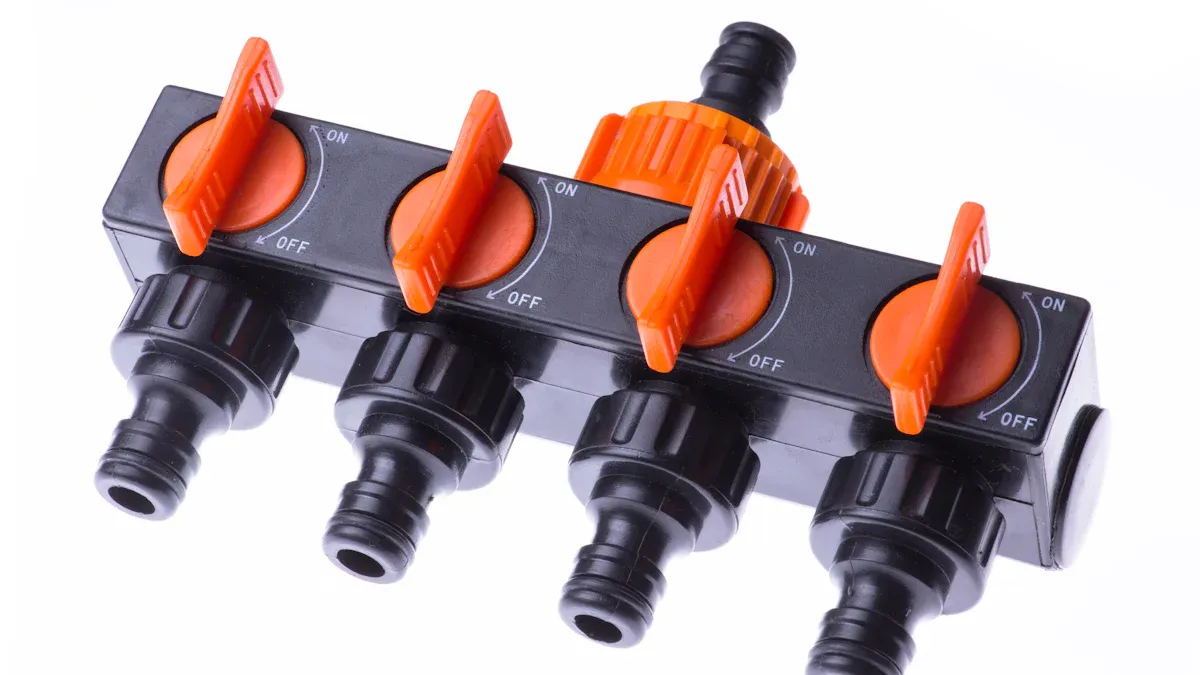
PN16 PP compression fittings are excellent for various irrigation applications. They provide reliable connections for water distribution. These fittings find common use in agricultural irrigation, horticulture, and residential areas. Municipal projects and sports fields also benefit from their durability. Specific systems like sprinkler systems, garden systems, and agricultural systems frequently use them. For instance, most drip irrigation systems operate best within a pressure range of 20-30 psi. Pressure regulation is important. If pressure is too high, emitters release water too quickly, causing uneven watering. If pressure is too low, emitters may not release enough water. Drip systems are designed not to exceed 8–12 psi in the drip tape itself. However, pressure in the delivery pipes can be 20–30 psi.
Reliability in Water Supply and Distribution
PN16 PP compression fittings offer dependable solutions for water supply and distribution networks. Their robust construction ensures long-term performance. These fittings maintain integrity under consistent pressure, making them suitable for potable water supply. They resist corrosion and scaling, which often affect metal pipes. This resistance ensures clean water delivery and reduces maintenance needs. Distributors can confidently offer these fittings for both residential and commercial water systems.
Niche Industrial Applications
PN16 PP compression fittings serve many niche industrial applications. They are suitable for potable water supply systems and chemical processing plants handling aggressive fluids. Wastewater management facilities and cooling systems in industrial buildings also use them. Food and beverage processing plants value these fittings for hygiene compliance. Gas supply lines and water distribution networks also benefit from their use. These fittings perform well in environments exposed to various chemicals, including acids, alkalis, and salts. This makes them ideal for industrial chemical transport. Their corrosion resistance and high impact resistance make them suitable for chemical plants and sewage treatment plants.
Ensuring proper chemical compatibility is crucial for industrial applications. Different PP pipes and fittings may have varying levels of chemical resistance. Exposure to incompatible chemicals can lead to material degradation and system failure. Distributors should always advise customers to consult the manufacturer’s chemical resistance chart for specific guidance. Testing pipes with actual chemicals is also wise. For highly corrosive substances, seeking expert advice helps prevent leaks and system failure.
Installer Benefits: Ease and Speed of Installation
PN16 PP compression fittings offer significant advantages for installers. Their design prioritizes ease and speed of installation. This reduces labor time and overall project costs. Installers do not need specialized welding equipment or complex tools. This makes the process straightforward and efficient.
The installation process is simple. Installers cut the pipe to the correct length. They then deburr the edges. Next, they slide the compression nut and split ring onto the pipe. Finally, they insert the pipe into the fitting body and tighten the nut. This mechanical connection creates a secure, leak-proof seal.
Installers require only a few basic tools for the job. These tools are commonly available.
- A pipe cutter ensures clean, straight cuts.
- A calibrator prepares HDPE pipe ends for a perfect fit.
- A torque wrench ensures proper tightening of the nut. This prevents overtightening or undertightening.
- A marker pen helps mark cut lengths.
- Pipe lubricant can assist with smoother insertion, if needed.
- Personal Protective Equipment (PPE) protects the installer.
- A wrench helps tighten the compression nut securely.
This minimal tool requirement benefits contractors. It lowers equipment investment. It also simplifies on-site logistics. The quick installation time means projects finish faster. This increases productivity for installation teams. It also allows them to take on more jobs. The straightforward nature of these fittings reduces the chance of installation errors. This leads to fewer call-backs and greater customer satisfaction.
Contractors appreciate the reliability and efficiency of PN16 PP compression fittings. They provide a robust solution without the complexities of other piping systems. This makes them a preferred choice for many plumbing and irrigation professionals.
Strategic Stocking and Sales for a PP Compression Fitting Supplier
A successful PP compression fitting supplier understands the market. They strategically manage inventory and develop effective sales approaches. This ensures they meet customer demands and maximize profitability.
Essential Inventory: Sizes and Types to Stock (20mm to 110mm)
Stocking the right range of sizes and types is crucial for any PP compression fitting supplier. Distributors should prioritize the most in-demand products. PN16 PP compression fittings are available in a wide range of sizes. These sizes typically span from 20mm to 110mm.
Customers often seek specific series. The Performance Series offers sizes from D20 to D110. These fittings all have a PN16 pressure rating. The Universal Series provides sizes from D20 to D50, also with a PN16 rating. Additionally, distributors should consider different aesthetic types. The “Turkey type” often comes in dark blue or all black. The “Italy type” is typically light blue or all black. HDPE/PP compression female thread elbows are also popular. Manufacturers produce these in sizes from 20mm to 110mm. Sizes from 20mm to 63mm are rated at PN16. A comprehensive inventory allows a PP compression fitting supplier to serve diverse project needs.
Effective Marketing and Sales Pitches
Distributors need strong marketing and sales pitches. Highlight the ease and speed of installation. Emphasize the durability and corrosion resistance of PP material. Explain the reliability of the PN16 pressure rating for various applications. Target specific customer segments. These include irrigation contractors, plumbers, and industrial buyers. Showcase the long-term cost savings from reduced maintenance and replacements.
Addressing Common Customer Inquiries
Customers often have questions about product suitability and performance. Distributors should prepare to answer these inquiries. Common questions include: “What is the maximum temperature these fittings can handle?” and “Are these fittings suitable for potable water?” Be ready to discuss chemical compatibility for industrial uses. Explain the difference between PN10 and PN16 ratings. Provide clear information on installation procedures and required tools. This builds customer confidence and trust.
Partnering with a Reputable PP Compression Fitting Supplier
Choosing the right PP compression fitting supplier is crucial for distributors. A strong partnership ensures product quality and consistent supply. Distributors must carefully evaluate potential partners. They should request third-party testing reports for burst pressure, tensile strength, and chemical resistance. These reports confirm product durability. Conducting factory audits, either virtual or on-site, helps assess equipment maintenance and quality control workflows. Validating samples under real-world conditions before placing bulk orders is also a smart practice.
A reliable PP compression fitting supplier provides material traceability. This means they can trace raw materials back to certified resin suppliers. Distributors should ask for copies of ISO and product test reports. They can also request client references in their sector. Video calls or factory tours offer further insight into a supplier’s operations. Analyzing historical performance data, such as on-time delivery and reorder rates, reveals a supplier’s reliability.
Distributors must also assess a supplier’s capacity and scalability. This ensures they can meet current and future demand. Evaluate key indicators like factory size, workforce count, and annual production capacity. For example, a large facility like Zhuji Fengfan Piping Co., Ltd., with 44,000 m² and over 610 employees, shows suitability for high-volume buyers. Such a supplier can handle scalability without compromising delivery timelines.
A good PP compression fitting supplier invests in research and development. They improve product features and ensure compliance with evolving safety and environmental standards. They also offer long-term value. Their fittings reduce maintenance costs and extend system lifespan. Prioritizing sustainability and eco-friendly features also adds value. Engaging in pilot projects or sample testing before large-scale procurement helps verify vendor claims. This comprehensive evaluation leads to a successful and lasting partnership.
Distributors now possess the knowledge to confidently stock, market, and sell PN16 PP compression fittings. Understanding PP material advantages and PN16 pressure ratings empowers them. This knowledge enhances customer satisfaction. Businesses also experience significant growth. Strategic stocking and effective sales approaches are vital. Partnering with a reputable supplier ensures consistent quality. This comprehensive insight drives profitability and strengthens market position.
FAQ
What does PN16 signify for these fittings?
PN16 indicates a nominal pressure rating of 16 bar. This means the fitting can safely withstand 16 bar of continuous pressure. This rating applies at a standard temperature of 20°C. It helps distributors select appropriate components for various systems.
Why should distributors stock PP compression fittings?
PP compression fittings offer excellent chemical resistance and durability. They are lightweight and easy to install. This reduces labor costs and project time. Their competitive pricing and long lifespan make them a valuable product for many applications.
Do PN16 PP fittings work with hot water?
PN16 ratings are for 20°C. Higher temperatures reduce the maximum allowable pressure. Distributors should consult manufacturer charts. These charts show how temperature affects safe operating pressure. This ensures system safety and performance.
What are the primary uses for PN16 PP compression fittings?
These fittings are ideal for irrigation systems, water supply, and distribution networks. They also serve niche industrial applications. These include chemical processing and wastewater management. Their reliability and ease of installation benefit many sectors.