CPVC Pipes and Fittings: Advantages for High-Temperature Water Systems
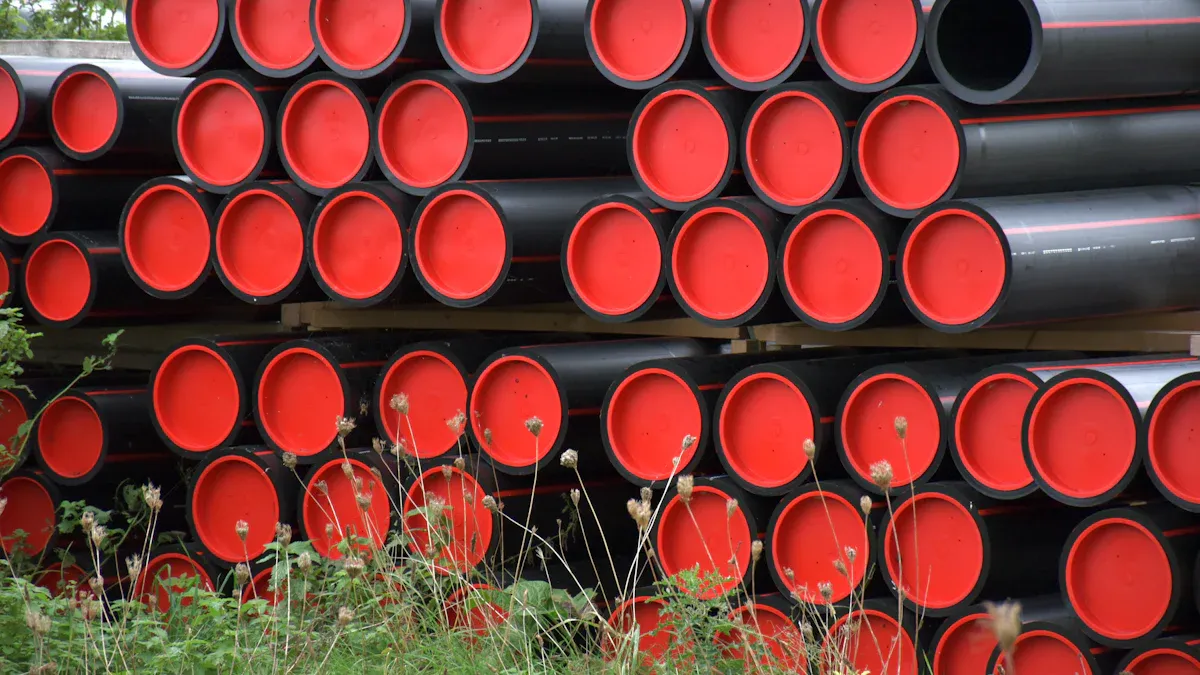
CPVC pipes excel in high-temperature water systems due to their exceptional heat resistance. These corrosion-resistant CPVC pipes serve as a reliable solution for both residential and commercial plumbing applications. Plumbing professionals often choose CPVC pipes for industrial use because of their mechanical strength and ease of installation. Additionally, CPVC fittings and CPVC fitting connections ensure optimal performance over time.
Key Takeaways
- CPVC pipes can handle high temperatures up to 180°F continuously and 203°F for short periods, making them ideal for hot water systems.
- These pipes resist corrosion better than metal alternatives, ensuring clean water delivery and reducing maintenance costs over time.
- CPVC pipes are lightweight and easy to install, which speeds up plumbing projects and lowers labor costs.
High Temperature Tolerance of CPVC Pipes
Maximum Operating Temperature
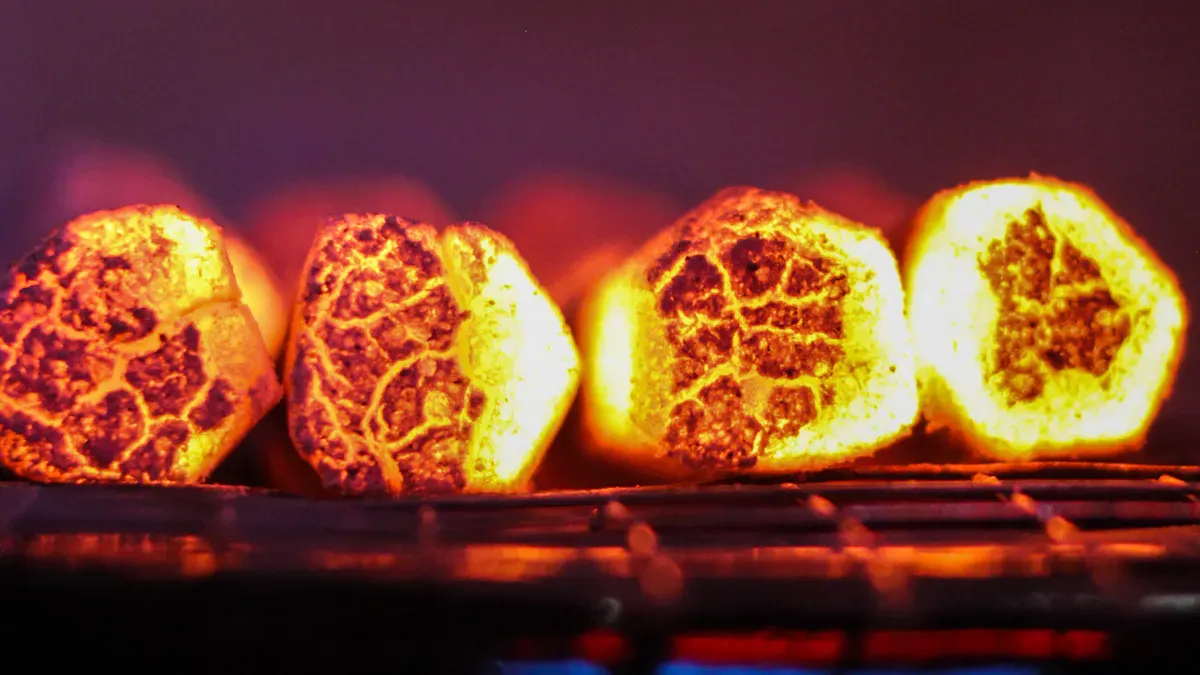
CPVC pipes demonstrate impressive heat resistance, making them suitable for high-temperature applications. Major manufacturers and industry standards specify that CPVC pipes can operate continuously at temperatures up to 180°F (82°C). They can even withstand short-term peak temperatures of around 95°C (203°F). This capability positions CPVC as a superior choice compared to standard PVC, which has a lower temperature rating.
| Material | Maximum Operating Temperature |
|---|---|
| CPVC | 180 °F |
| PEX | 180 °F (reduced to 140 °F under chlorinated conditions) |
| Copper | Higher pressure resistance but prone to corrosion |
| PVC | Lower than CPVC |
CPVC pipes maintain their integrity under high temperatures, making them ideal for applications such as industrial fluid transport, fire sprinkler systems, and high-temperature hot water supply.
Performance Under Heat Stress
Research indicates that CPVC pipes perform reliably under prolonged heat stress. Studies have shown that defects can occur during the transport and operation of these pipes, affecting their performance. Key findings from various tests include:
- Burst pressure tests measure the mechanical properties of CPVC pipes under heat stress.
- Degradation studies assess how prolonged heat exposure impacts failure mechanisms.
- Stress-strain variation curves help determine critical values related to damage acceleration in CPVC pipes.
Additionally, tensile tests at varying temperatures provide insights into the long-term performance of CPVC pipes. These studies reveal critical stages in the lifespan of CPVC pipes when subjected to heat stress, ensuring that they remain a dependable choice for high-temperature water systems.
Corrosion Resistance of CPVC Pipes
Comparison with Metal Pipes
CPVC pipes offer superior corrosion resistance compared to traditional metal pipes such as galvanized steel and copper. The unique molecular structure of CPVC results from an enhanced chlorination process that increases chlorine content from about 56% in PVC to nearly 63–69%. This change strengthens the polymer by increasing rigidity and reducing permeability. The additional chlorine atoms protect the carbon backbone from chemical attack, allowing CPVC pipes to withstand aggressive chemicals and disinfectants commonly found in high-temperature water systems.
The table below compares corrosion resistance and typical lifespan of CPVC pipes with metal alternatives in hot water environments:
| Pipe Material | Corrosion Resistance | Lifespan (Years) |
|---|---|---|
| CPVC pipes | High | 25 to 50 |
| Galvanized Steel | Moderate to Low | 20 to 50 |
| Copper | Moderate | 20 to 50 |
This data highlights CPVC pipes’ ability to resist corrosion better than metal pipes, which often suffer from rust and mineral buildup over time.
Longevity in Harsh Environments
CPVC pipes maintain structural integrity in harsh environments, making them ideal for industrial and commercial applications. They resist a wide range of corrosive chemicals, including acids and industrial solvents, without degrading. CPVC pipes can handle continuous use at temperatures up to 200°F (93°C), which supports their durability in high-temperature water systems.
Industries such as chemical processing, water treatment, and mining rely on CPVC pipes for their resistance to scaling, chemical attack, and abrasive slurries. These pipes also offer non-conductive properties, eliminating galvanic corrosion risks in mixed-material systems. Their smooth internal surfaces reduce clogging and buildup, ensuring consistent flow and reducing maintenance needs.
Typical lifespans for CPVC pipes exceed 50 years, surpassing copper and galvanized steel pipes, which usually last between 20 and 50 years. This longevity reduces downtime and replacement costs, providing a cost-effective solution for demanding environments.
Note: The combination of chemical resistance, heat tolerance, and mechanical strength makes CPVC pipes a reliable choice for plumbing systems exposed to harsh conditions.
Durability and Reliability of CPVC Pipes
Impact Resistance
CPVC pipes exhibit remarkable impact resistance, making them suitable for various applications. The ASTM D2444 test measures this resistance, revealing that Corzan CPVC can withstand up to 300 foot-pounds of impact energy without failing. In contrast, generic CPVC tends to shatter at lower energy levels. This significant difference highlights the superior durability of high-quality CPVC pipes.
Additionally, CPVC pipes possess a low modulus of elasticity, allowing them to absorb shocks effectively. This characteristic enables them to return to their original shape after an impact, unlike metal pipes, which are more rigid and prone to dents. Such dents can disrupt fluid flow and lead to structural weaknesses, making CPVC a more reliable choice for high-temperature water systems.
Resistance to Cracking and Leaking
CPVC pipes are designed to handle hot water applications with maximum temperature ratings typically ranging from 180°F to 200°F. This high heat tolerance prevents warping, cracking, or breaking, ensuring long-term performance. Their durability also stems from their resistance to corrosion, rust, and scale buildup, which helps maintain structural integrity over time.
Key design features contribute to the leak prevention capabilities of CPVC pipes:
- High-temperature tolerance prevents warping.
- Corrosion resistance maintains pipe integrity.
- Smooth internal surfaces reduce the risk of clogs.
These attributes make CPVC pipes a dependable option for plumbing systems exposed to high temperatures and harsh conditions.
Ease of Installation of CPVC Pipes
Lightweight Nature
The lightweight nature of CPVC pipes significantly enhances their installation process. Compared to traditional materials like copper and steel, CPVC pipes are much easier to handle. For instance, a 1-inch type M copper pipe weighs approximately 0.46 lb/ft, while schedule 40 steel weighs around 3.9 lb/ft. This difference in weight allows for simpler handling and transportation, especially in multi-story buildings.
- Reduced labor requirements and less need for heavy equipment on job sites.
- Quick joining of CPVC pipes using solvent cement, avoiding complex methods like heat fusion.
- Faster installation times lead to lower project costs and less disruption.
- Minimization of material waste contributes to resource conservation.
Simplified Joining Methods
Joining CPVC pipes is straightforward, which further streamlines the installation process. The primary method involves solvent cement welding, creating a strong molecular bond between pieces. This method eliminates the need for specialized tools or skilled labor, unlike metal piping systems that require welding.
The ease of using solvent cement means that most work can be done onsite by individuals with basic training. This simplicity reduces installation times and lowers labor costs. Additionally, the risk of installation errors decreases due to the quick and efficient joining process.
| Pipe Type | Joining Method | Description |
|---|---|---|
| CPVC | Solvent Cement | Creates a chemical fusion, allowing for fast installation and permanent joints. |
| Steel | Welding | Requires skilled technicians and specialized equipment, increasing installation time and costs. |
Overall, the lightweight nature and simplified joining methods of CPVC pipes make them an excellent choice for efficient plumbing installations.
Cost-Effectiveness of CPVC Pipes
Initial Investment vs. Long-Term Savings
CPVC pipes offer a competitive initial cost compared to other common piping materials used in high-temperature water systems. The price per linear foot for CPVC pipes ranges from $1 to $5, which falls between the lower cost of PEX pipes ($0.40 to $2.00) and the higher cost of copper pipes ($2 to $8). This moderate upfront investment makes CPVC pipes an attractive option for many plumbing projects.
| Type of pipe material | Price range per linear foot |
|---|---|
| CPVC pipe | $1–5 |
| Copper pipe | $2–8 |
| PEX pipe | $0.40–2.00 |
Beyond the initial cost, CPVC pipes provide significant long-term savings. Their resistance to corrosion, heat, and chemical attack reduces the frequency of repairs and replacements. Over a 10-year period, CPVC pipes incur minimal maintenance costs compared to metal pipes, which often require costly upkeep due to rust and scaling.
| Pipe Type | Initial Costs | Maintenance Costs | Total Costs Over 10 Years |
|---|---|---|---|
| CPVC | Lower | Minimal | Lower overall |
| Metal | Higher | Higher | Higher overall |
Several commercial plumbing projects demonstrate the cost-effectiveness of CPVC pipes. For example:
- Hot water supply lines using CPVC pipes experience 30% fewer failures than those with traditional materials, reducing repair expenses.
- Fire safety systems with CPVC pipes report a 20% decrease in fire-related damages.
- Chemical processing plants save up to 40% annually on corrosion-related maintenance by switching to CPVC.
- Wastewater treatment facilities extend pipeline lifespans by 25%, lowering operational costs.
- Manufacturing plants improve process efficiency by 15% due to CPVC’s smooth internal surfaces and chemical resistance.
These examples confirm that CPVC pipes deliver value beyond their initial price, making them a smart investment for high-temperature water systems.
Maintenance Requirements
Maintenance for CPVC pipes remains straightforward and cost-effective. Routine care focuses on preserving system integrity and preventing minor issues from escalating. Typical maintenance tasks include:
- Visual inspections to detect discoloration, cracking, or joint separation, especially in areas exposed to stress.
- Prompt leak detection and repair to avoid water damage and structural problems.
- Periodic hydrostatic pressure testing to verify system strength, particularly after repairs or modifications.
- Cleaning with CPVC-safe solutions while avoiding abrasive tools that could damage pipe surfaces.
This maintenance regimen helps ensure long-term reliability and performance. Compared to metal pipes, CPVC pipes require less frequent and less intensive upkeep. Their corrosion resistance and smooth interior surfaces reduce buildup and clogging, minimizing the need for costly cleaning or replacement.
Tip: Implementing a regular inspection and maintenance schedule can extend the lifespan of CPVC pipes and prevent unexpected failures, saving time and money.
Overall, the low maintenance demands combined with durable material properties contribute to the cost-effectiveness of CPVC pipes in high-temperature water systems.
CPVC pipes and fittings provide significant advantages for high-temperature water systems. Their high temperature resistance allows them to tolerate temperatures above 93 degrees Celsius. Additionally, they resist corrosion, ensuring clean water delivery. With a lifespan exceeding 50 years, CPVC pipes offer durability and cost savings. Their lightweight nature and simple installation methods enhance efficiency in plumbing projects.
Choosing CPVC leads to more reliable plumbing systems across various applications, including industrial and residential settings.
FAQ
What are the main benefits of using CPVC pipes?
CPVC pipes offer high-temperature resistance, corrosion resistance, durability, and ease of installation, making them ideal for various plumbing applications.
How long do CPVC pipes typically last?
CPVC pipes can last over 50 years, significantly exceeding the lifespan of traditional metal pipes.
Are CPVC pipes safe for drinking water?
Yes, CPVC pipes are safe for drinking water and comply with health standards set by regulatory agencies.