Best 6 PPR Pipe Suppliers for Sustainable Plumbing Solutions
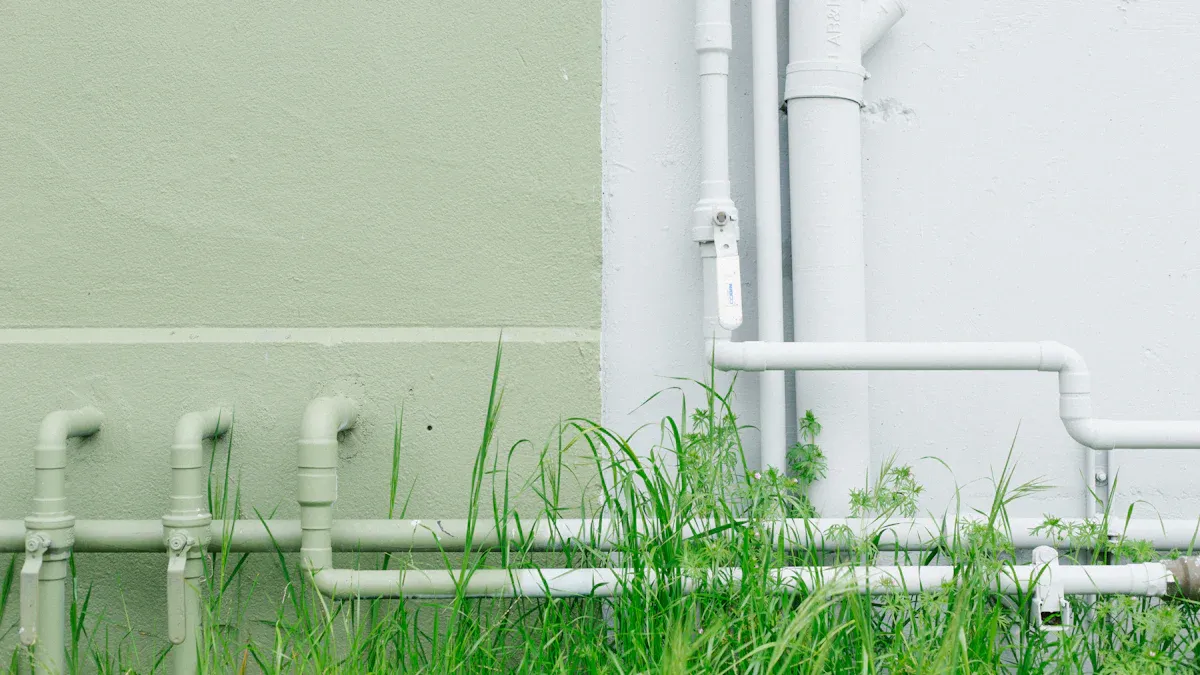
The plumbing industry increasingly recognizes several suppliers for their commitment to sustainability. Notable names include Polypipe Group, RWC Group, Wavin Group, and Aliaxis Group. These suppliers prioritize energy efficiency and environmentally friendly practices in their products.
The demand for PPR pipes is on the rise due to their durability, resistance to corrosion, and energy efficiency. As water conservation becomes a priority, more professionals choose PPR pipes over traditional materials like PVC valves and CPVC pipes & fittings for their plumbing solutions. Additionally, the use of plastic pipe fittings and PP compression fittings is gaining traction, further enhancing the efficiency of modern plumbing systems. The market also sees a significant export of high-quality CPVC fittings, catering to the growing global demand for reliable plumbing solutions.
Key Takeaways
- Choose suppliers like Rehau and Aquatherm for their innovative PPR pipes that offer durability and energy efficiency.
- Look for PPR pipes made from recycled materials to support sustainable building practices and reduce environmental impact.
- Consider the long lifespan of PPR pipes, which can lead to lower maintenance costs and a reliable water supply.
- Select suppliers that provide technical support and training to ensure proper installation and maximize pipe performance.
- Stay informed about the growing demand for PPR pipes as urbanization increases, making them a smart choice for future plumbing projects.
Supplier 1: Rehau
Location
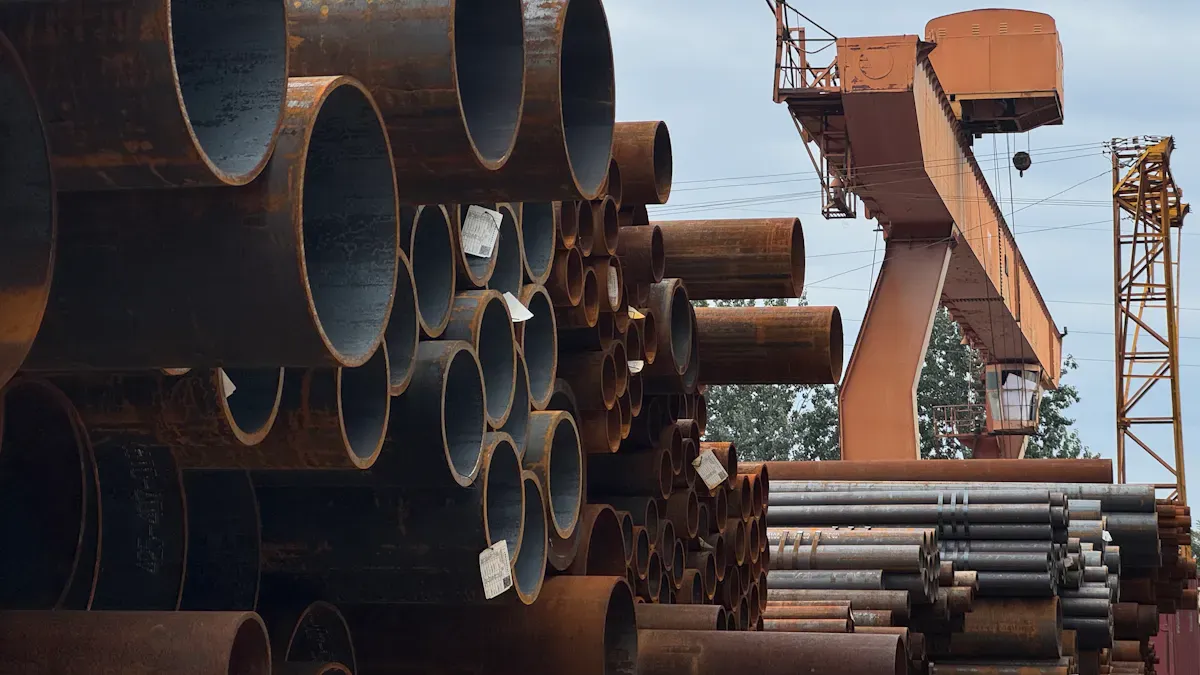
Rehau operates globally, with its headquarters located in Rehau, Germany. The company has established a strong presence in various regions, including Europe, North America, and Asia. This extensive network allows Rehau to serve a diverse clientele, ensuring that customers receive timely support and high-quality products.
Product Features
Rehau’s PPR pipes stand out in the market due to their innovative design and advanced technology. The following table highlights some unique product features:
| Feature | Description |
|---|---|
| Innovative Material Technology | Rehau employs advanced material technology that provides high strength and impact resistance. |
| Customization Options | The company offers tailored solutions for PPR fittings, catering to specific customer needs. |
| Aesthetic Design | Rehau’s fittings are designed to be visually appealing, suitable for high-end applications. |
| Global Service Network | Rehau provides extensive customer support, including technical assistance and after-sales service. |
Sustainability Practices
Rehau is committed to eco-friendly production methods. The company utilizes recycled polypropylene materials, significantly lowering its environmental footprint. Their facilities are engineered to enhance energy efficiency and minimize waste. Rehau incorporates advanced extrusion systems and comprehensive recycling initiatives into its production processes.
The company holds several certifications that reflect its dedication to sustainable manufacturing. The following table summarizes these certifications:
| Certification Type | Details |
|---|---|
| KIWA UK Reg4 scheme | Certified at the most stringent level of ATS 1+ |
| Relevant for Drinking Water Approval | Aligns with sustainable manufacturing practices |
Rehau’s commitment to sustainability and innovation makes it a leading supplier of PPR pipes in the plumbing industry.
Supplier 2: Aquatherm
Location
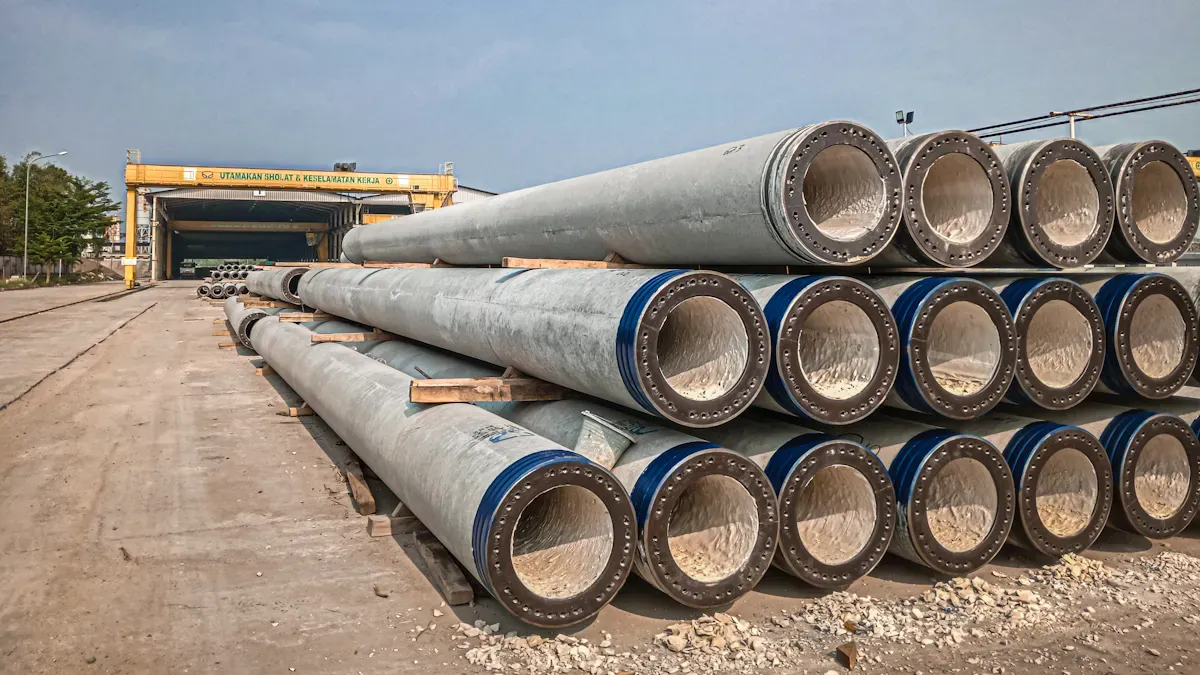
Aquatherm GmbH, a leading manufacturer of polypropylene piping systems, is headquartered in Germany. The company has established a robust global distribution network, ensuring that their high-quality PPR pipes reach customers worldwide. Aquatherm’s commitment to innovation and precision manufacturing allows them to maintain a strong presence in various markets.
Product Features
Aquatherm’s PPR pipes are renowned for their durability and performance. The following table summarizes key product features:
| Aspect | Detail |
|---|---|
| Anticipated Lifespan | 50+ years |
| Weight Comparison | Up to 70% lighter than steel pipe |
| Thermal Expansion Reduction | Minimizes linear thermal expansion by 75% |
| Corrosion Resistance | Hydrophobic, will not corrode or scale |
| Industry Standards Compliance | Tested and approved according to major standards |
Aquatherm’s pipes are designed to withstand high pressures and temperatures. For instance, at 160 degrees, the maximum pressure reaches 120 psi, while at 200 degrees, it drops to 45 psi. This versatility makes Aquatherm a reliable choice for various plumbing applications.
Sustainability Practices
Aquatherm prioritizes sustainability in its manufacturing processes. The company uses polypropylene, a thermoplastic polymer that is more environmentally friendly than traditional materials like copper or steel. This material emits fewer greenhouse gases and does not release harmful dioxins during production or disposal.
Additionally, Aquatherm’s pipes are designed to last for the life of the building and can be easily recycled after their lifespan. The smooth, chemically inert material prevents scaling and corrosion, ensuring that the performance of the pipes remains unaffected even without chemical treatment.
Aquatherm has received recognition for its commitment to sustainability, including nominations as a finalist in the 2025 Laundry and Drycleaning Awards and the ‘Best Product Presentation’ award at Aquatherm Tashkent 2025. These accolades highlight the company’s dedication to innovation and quality in the plumbing industry.
Supplier 3: Wavin
Location
Wavin, a prominent player in the plumbing industry, is headquartered in Zwolle, Netherlands. The company operates in over 25 countries, providing innovative solutions for various plumbing needs. Wavin’s extensive network allows them to cater to both local and international markets effectively.
Product Features
Wavin’s PPR pipes are designed with advanced technology to ensure durability and efficiency. Key product features include:
| Feature | Description |
|---|---|
| Lightweight Design | Wavin’s PPR pipes are significantly lighter than traditional materials, making installation easier. |
| High Temperature Resistance | These pipes can withstand high temperatures, making them suitable for hot water applications. |
| Long Lifespan | Wavin’s PPR pipes have a lifespan of over 50 years, ensuring long-term reliability. |
| Versatile Applications | Ideal for drinking water, heating, and cooling systems. |
Wavin’s commitment to quality ensures that their PPR pipes meet stringent industry standards.
Sustainability Practices
Wavin aims to lead the industry in sustainability by 2025, targeting net-zero carbon emissions by 2050. The company focuses on circularity in operations and specializes in sustainable solutions for drinking water, sanitation, and stormwater management. Wavin aligns its operations with the UN’s Sustainable Development Goals, demonstrating a commitment to global sustainability efforts.
The following table outlines Wavin’s sustainability strategy compared to other suppliers:
| Aspect | Wavin’s Strategy | Other Suppliers’ Strategies |
|---|---|---|
| Carbon Emissions | Net-zero by 2050 | Not specified |
| Virgin Plastic Elimination | Complete elimination from packaging | Varies |
| Use of Recycled Materials | Significant use (30% recycled material) | Less emphasis |
| Focus on Clean Water Access | Developing solutions for global sanitation challenges | Not explicitly stated |
Wavin has also achieved several environmental certifications for its PPR products, ensuring safety and compliance across different regions:
| Region | Required Certifications | Purpose |
|---|---|---|
| China | CCC Certification (GB 4806.7-2016) | Ensures safe for drinking water contact |
| EU | CE Certification (EN 15874) | Meets European safety/performance standards |
| USA | NSF/ANSI 61 Certification | Verified non-toxic for potable water |
Wavin’s dedication to sustainability and innovation positions them as a leader in the PPR pipe market.
Supplier 4: Georg Fischer
Location
Georg Fischer AG, a prominent player in the global PPR and HDPE pipes market, is headquartered in Schaffhausen, Switzerland. The company actively expands its operations in developing regions, aiming to capture a larger market share. This strategic focus aligns with the overall growth of the PPR pipe market, which experiences a year-on-year growth rate of 5-6%. Georg Fischer leverages extensive distribution networks to ensure high-quality piping systems reach customers worldwide.
Product Features
Georg Fischer’s PPR pipes offer several advantages that enhance their appeal in sustainable plumbing solutions. The following table summarizes key product features:
| Advantage | Description |
|---|---|
| Engineering Expertise | High-quality design with precise dimensions and smooth surfaces for improved flow characteristics. |
| Safety-First Approach | Pipes tested for pressure, fire, and chemical resistance, ensuring safe operation in various environments. |
| Comprehensive Product Portfolio | Offers a complete range of piping accessories, simplifying procurement for customers. |
| Technical Training and Support | Provides training on installation and maintenance, maximizing performance and lifespan of pipes. |
Sustainability Practices
Georg Fischer is committed to sustainability and reducing its environmental footprint. The company generated over 54% of sales from products with social and environmental benefits, a 7% increase from 2018. By 2030, Georg Fischer aims to drive sustainable impact through innovation, focusing on emissions reduction, circularity, and water stewardship.
Georg Fischer exemplifies its commitment to providing access to clean drinking water through a new project in Uganda.
The following table outlines some of the company’s recent sustainability initiatives:
| Initiative | Description |
|---|---|
| Sustainable Products | GF generated over 54% of sales from products with social and environmental benefits. |
Georg Fischer has received recognition for its efforts in tackling climate change and water security, being awarded by CDP for two consecutive years. The company also aims to reduce absolute scope 1 and 2 GHG emissions by 30% by 2026 and scope 3 GHG emissions by 34.6% by 2030. These initiatives demonstrate Georg Fischer’s dedication to sustainable practices in the plumbing industry.
Supplier 5: Bänninger
Location
Bänninger is headquartered in Germany, with a strong presence across Europe and beyond. The company operates several manufacturing facilities that ensure efficient production and distribution of its products. This strategic positioning allows Bänninger to meet the growing demand for PPR pipes in various markets.
Product Features
Bänninger’s PPR pipes are known for their high quality and reliability. Key features include:
- Durability: These pipes can withstand high pressures and temperatures, making them suitable for a wide range of applications.
- Lightweight Design: Bänninger’s PPR pipes are significantly lighter than traditional materials, which simplifies installation and reduces transportation costs.
- Corrosion Resistance: The pipes resist corrosion and scaling, ensuring a long lifespan and consistent performance.
- Versatile Applications: Bänninger offers a variety of fittings and accessories, making their PPR pipes suitable for heating, cooling, and potable water systems.
Sustainability Practices
Bänninger is committed to sustainable manufacturing practices. The company focuses on reducing its environmental impact through several initiatives:
Bänninger utilizes recycled materials in its production processes, contributing to a circular economy.
The company also emphasizes energy efficiency in its operations. By optimizing production techniques, Bänninger minimizes waste and lowers energy consumption. Furthermore, their PPR pipes are designed for longevity, which reduces the need for frequent replacements and conserves resources over time.
Bänninger’s dedication to sustainability is evident in its certifications and adherence to international environmental standards. This commitment positions Bänninger as a responsible supplier in the plumbing industry.
Supplier 6: Uponor
Location
Uponor, a prominent player in the global PPR pipe market, operates from its headquarters in Vantaa, Finland. The company has established a robust international presence, serving customers across Europe, North America, and Asia. This extensive network allows Uponor to provide high-quality products and services tailored to diverse plumbing applications.
Product Features
Uponor’s PPR pipes are distinguished by several innovative features that enhance their performance and efficiency. Key attributes include:
- The Smatrix Base control system, which optimizes flow rates and energy consumption, significantly enhancing energy efficiency.
- Advanced insulation technologies in PPR fittings that minimize heat loss, contributing to reduced energy consumption.
These features position Uponor as a leader in providing sustainable plumbing solutions. Their PPR pipes are designed for various applications, including residential, commercial, and industrial settings, ensuring versatility and reliability.
Sustainability Practices
Uponor is dedicated to sustainability and reducing its environmental impact. The company focuses on eco-friendly manufacturing processes and materials. They prioritize the use of recycled materials in their products, contributing to a circular economy. Uponor’s commitment to sustainability extends to their operations, where they implement energy-efficient practices to minimize waste and lower carbon emissions.
The company actively engages in initiatives that promote water conservation and efficient resource management. By developing innovative products that enhance energy efficiency, Uponor supports the global transition towards sustainable plumbing solutions. Their dedication to quality and sustainability has earned them recognition as a significant entity in the global PPR pipe market.
Selecting sustainable suppliers for plumbing is crucial for several reasons. First, these suppliers offer PPR pipes made from non-toxic, recyclable materials, supporting sustainable building practices. They ensure durability and resistance to corrosion, which leads to reduced maintenance costs and a long-lasting water supply. Furthermore, their eco-friendly production processes align with health and safety standards, making them reliable choices for plumbing projects.
The listed suppliers meet plumbing needs by providing tailored solutions, essential training, and technical support. Their commitment to innovation ensures that PPR pipes remain a top choice for modern plumbing applications.
Looking ahead, the future of sustainable plumbing solutions appears promising. The demand for PPR pipes is projected to grow significantly, driven by urbanization and infrastructure projects. As technology advances, innovations in leak detection and automated control systems will further enhance water efficiency and sustainability.
FAQ
What are PPR pipes?
PPR pipes, or Polypropylene Random Copolymer pipes, are durable, lightweight, and resistant to corrosion. They are commonly used in plumbing systems for hot and cold water applications due to their longevity and energy efficiency.
Why choose PPR pipes over traditional materials?
PPR pipes offer several advantages, including lower weight, resistance to scaling and corrosion, and longer lifespan. These features make them a more sustainable and cost-effective choice compared to traditional materials like PVC or copper.
How do I ensure proper installation of PPR pipes?
Proper installation requires following manufacturer guidelines and using the right tools. Ensure clean, dry surfaces for joints, and use appropriate welding techniques to create strong connections. Training from suppliers can also enhance installation quality.
Are PPR pipes recyclable?
Yes, PPR pipes are recyclable. Many manufacturers encourage recycling and use recycled materials in their production processes. This practice supports sustainability and reduces environmental impact.
What certifications should I look for in PPR pipes?
Look for certifications such as NSF/ANSI 61 for drinking water safety, CE marking for European standards, and ISO certifications for quality management. These certifications ensure compliance with health and safety regulations.