Are PVC Ball Valves the Future of Industrial Fluid Control for 50 Years?
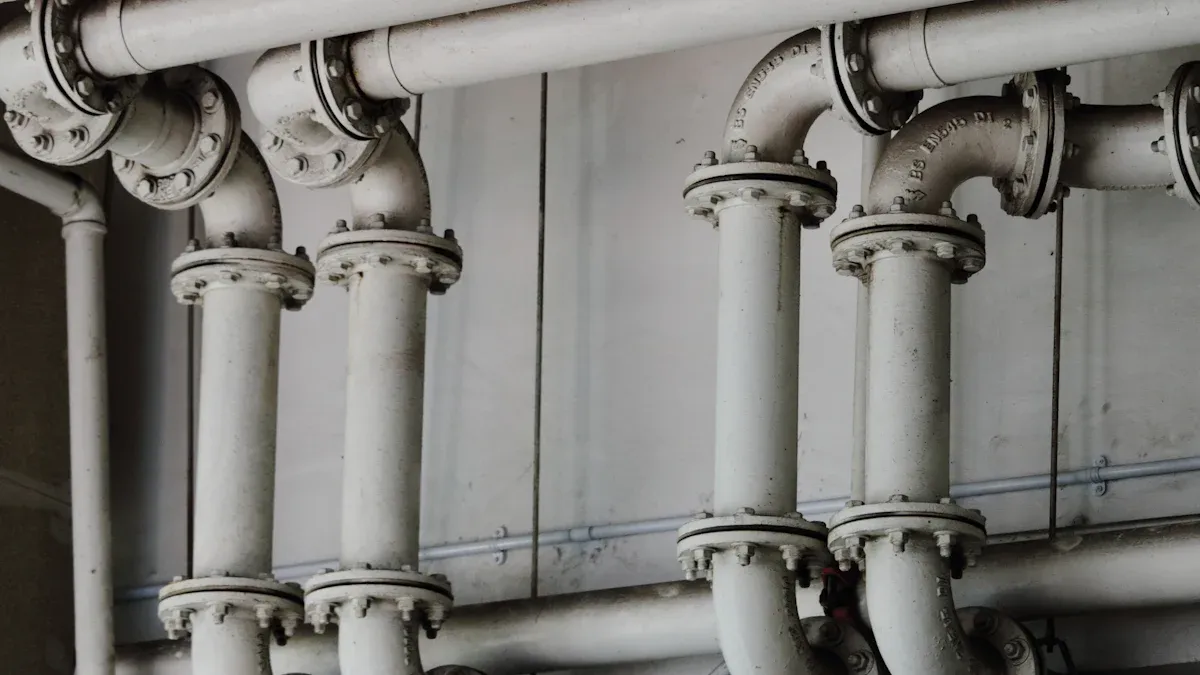
Yes, a PVC BALL VALVE is indeed a superior and future-proof solution for industrial fluid control. It offers a remarkable 50-year lifespan, surpassing traditional materials like cast iron. You see, Polyvinyl Chloride (PVC) holds a significant 42% market share within the plastic valves material segment. This establishes it as the most widely adopted plastic valve material globally. This dominance is due to its cost-effectiveness and excellent corrosion resistance. Our PVC BALL VALVE SERIES, along with our high-quality PVC Fittings, ensures you get reliable performance.
Key Takeaways
- PVC ball valves last a very long time. They can work well for 50 years or more. This is much longer than old metal valves.
- PVC ball valves do not rust or break down from chemicals. This makes them great for many industrial uses. They need less fixing than metal valves.
- PVC ball valves cost less to buy and keep working. They are lighter and easier to put in place. This saves money and time for businesses.
- PVC ball valves help fluids flow smoothly. They also reduce how often systems stop working. This makes industrial work safer and better for the environment.
The Unmatched Longevity of PVC BALL VALVES
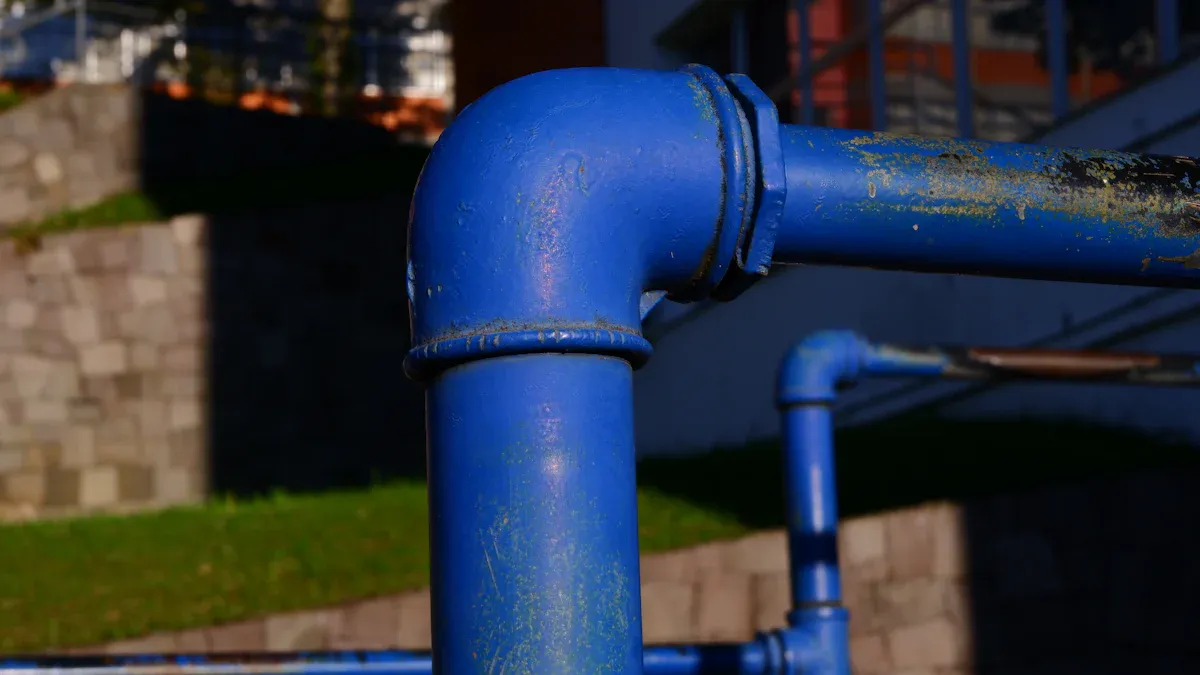
You need fluid control solutions that stand the test of time. PVC ball valves offer exceptional durability, making them a cornerstone for industrial applications. Their design and material properties ensure a long operational life, often outperforming traditional alternatives.
Engineering for a 50-Year Lifespan
When you consider the lifespan of your industrial components, you want solutions built to last. A high-quality PVC ball valve, crafted from virgin material and used correctly, can easily last for 10 to 20 years. Many can even last for the entire lifespan of your piping system. While the average lifespan typically ranges from 8 to 10 years, factors like material quality, proper use, and environmental conditions significantly influence its durability. Under ideal conditions, such as indoor use with cold water and infrequent operation, you can expect even longer service. The longevity of these valves stems from advanced material science and thoughtful design principles.
Durability Against Chemical Degradation
PVC’s inherent material properties make it exceptionally resistant to chemical degradation, a critical factor in industrial fluid control.
| Property | PVC |
|---|---|
| Mechanical strength | Medium to high |
| Chemical resistance | High |
| Impact resistance | Medium |
| Heat resistance | Up to approx. 80°C |
| Flexibility | Variable |
| Crystallinity | Medium to high |
You will find that PVC offers superior resistance to a wide range of chemicals and environmental factors. This maintains integrity over time and reduces the need for frequent replacements. Its resistance to chemical attack means less frequent replacement and maintenance for you. PVC resists most acids, bases, and salts, making it suitable for chemical processing and industrial applications. This is especially valuable in plumbing and piping where exposure to moisture and chemicals is frequent.
Consider these key aspects of PVC’s chemical resilience:
- Chemical and Corrosion Resistance: PVC resists most acids, bases, and salts. This makes it ideal for chemical processing and industrial applications.
- High Rigidity and Strength: Rigid PVC (RPVC) provides structural strength and dimensional stability. This ensures parts maintain their shape and integrity under stress.
- Moisture and Weather Resistance: PVC resists moisture and environmental factors. This makes it a durable option for outdoor applications and products exposed to water.
PVC is known for its exceptional corrosion resistance. It handles acids, alkalis, solvents, and other reactive substances without losing structural integrity, unlike metal valves. Its chemical inertness means PVC does not react with most acids, such as hydrochloric or sulfuric acid, or bases like sodium hydroxide. This ensures leak-free performance. For specific applications, you can find PVC and CPVC valves suitable for water treatment or chlor-alkali plants. For example, Asahi/America PVC material is chemically resistant to sodium hypochlorite, and ball valves often use FKM O-rings for these applications.
Resistance to Environmental Stressors
You need to understand how PVC ball valves perform under various environmental stressors.
- UV Radiation: Extended exposure to ultraviolet (UV) light causes oxidation. This leads to discoloration and embrittlement of PVC materials. This process makes the material brittle and prone to failure, compromising structural integrity and reducing the valve’s lifespan. Valves connected to UV sterilizers are particularly susceptible to stress cracking.
- Temperature Fluctuations: PVC ball valves have a maximum continuous service temperature typically ranging from 120°F to 140°F (60°C). High temperatures cause the PVC material to soften and lose pressure resistance. Conversely, very low temperatures make PVC brittle, increasing the risk of cracking and leaks. Most PVC valves are rated at 73°F and require derating above 100°F.
- Abrasion: Abrasive media, which contain suspended solids or particles like sand, can wear down the valve’s seals and ball. This wear leads to premature failure of the valve components.
Why PVC BALL VALVES Outperform Cast Iron

You constantly seek better solutions for your industrial fluid control needs. PVC ball valves offer clear advantages over traditional cast iron, making them a superior choice for modern applications.
Superior Corrosion Resistance
You need materials that withstand harsh industrial environments. PVC offers inherent resistance to corrosion because it does not contain any metal or iron components. This is a significant benefit. Cast iron, in contrast, is susceptible to corrosion. This corrosion typically starts from the interior due to long-term exposure to hard water. You will find cast iron is not suitable for underwater applications. It rusts easily when it has prolonged contact with saltwater.
Plastic valves, like those made from PVC, show good resistance to many acids, alkalis, and salt solutions. This makes them ideal for chemical processing. However, you should consider factors like temperature, pressure, and mechanical strength for specific applications. PVC’s chemical inertness means it will not react with most corrosive substances. This ensures your system maintains its integrity and prevents leaks.
Lighter Weight and Easier Installation
You will appreciate the practical benefits of PVC ball valves during installation. PVC is significantly lighter than cast iron. This lighter weight makes handling and transporting the valves much easier for your team. You can install them with less effort and often without heavy lifting equipment. This reduces labor costs and speeds up project completion times. The ease of installation translates directly into operational efficiency for your facility.
Cost-Effectiveness Over the Long Term
You want solutions that save money, both now and in the future. PVC ball valves offer a compelling cost advantage. Consider the initial material costs: PVC piping typically costs between $2 to $10 per square foot. Cast iron pipe, however, can range from $10 to $30 per square foot. This difference extends to the valves themselves. A PVC 3-way pneumatic ball valve might cost $300-$800. A metal 3-way pneumatic ball valve, on the other hand, could cost $600-$1,500. You can see cost savings of 40-60% compared to metal alternatives.
Beyond the initial purchase, you save money on maintenance and replacements. PVC’s superior corrosion resistance means fewer repairs and a longer operational life. This reduces downtime and the need for frequent valve replacements. Investing in a PVC BALL VALVE provides significant long-term financial benefits for your industrial operations.
The Limitations of Cast Iron in Modern Fluid Control
You understand the importance of reliable fluid control. Cast iron, a traditional material, presents several limitations in modern industrial applications. These drawbacks often lead to increased costs and operational inefficiencies for you.
Susceptibility to Rust and Corrosion
You will find cast iron highly susceptible to rust and corrosion. This vulnerability significantly impacts its performance and longevity. When corrosive media are present, valve materials require excellent chemical corrosion resistance. Insufficient resistance drastically shortens service life and can lead to rapid functional loss. For example, offshore valves in salt spray environments face rapid corrosion due to chloride ions. This necessitates resistant materials and anti-corrosion coatings. Underground valves also require fully welded structures to prevent erosion from groundwater and sediment. Moisture, chemicals, and mechanical wear accelerate aging in these conditions.
High Maintenance Requirements
You will experience higher maintenance demands with cast iron components. Outdoor exposure to harsh weather, such as wind and rain, leads to rusting and damages lubrication systems. Dust and sand accumulation accelerate component wear. These factors mean you must perform more frequent inspections and repairs. This increases your operational costs and potential downtime.
Material Fatigue and Shorter Lifespan
You should consider the shorter lifespan of cast iron due to material fatigue. Operating conditions are crucial in determining a valve’s lifespan and potential failure modes. High temperatures cause material expansion and contraction, leading to wear. High-pressure systems stress valve components, increasing failure risk. Pressure and temperature fluctuations can cause poor sealing at connection flanges. High pressure and temperature can deform bolts and gaskets, leading to sealing loss when conditions decrease. Such fluctuations also contribute to material fatigue, accelerating wear and aging. Abrasive particles in the fluid can erode valve seats and discs, shortening lifespan. For instance, in mining operations, abrasive slurries can quickly damage gate valves. A 2-inch cast iron gate valve might last 10 to 20 years in benign environments. However, in demanding industrial applications with corrosive chemicals and high pressure, its lifespan can be significantly shorter, ranging from 5 to 10 years. In extreme cases, like mining operations with highly abrasive slurries, the valve might only last 1 to 3 years. Similarly, cast iron Y strainers typically last 5 to 15 years under normal conditions, but only about 5 years in challenging industrial settings.
Operational Advantages of PVC BALL VALVES
Enhanced Flow Characteristics
You will notice the superior flow characteristics of PVC ball valves. Their smooth interior surfaces minimize friction. This allows fluids to move through your system with less resistance. This design reduces pressure drop. It also ensures a more efficient and consistent flow. This efficiency can lead to lower pumping costs for your operations.
Reduced Downtime and Maintenance
You will experience significantly reduced downtime and maintenance with PVC ball valves. They do not corrode, scale, or seize up. This eliminates frequent repairs and part replacements. Their simple design and light weight make any necessary servicing faster and easier. This is much cheaper than with heavy, corroded metal valves. PVC valves eliminate corrosion-related repairs. These include seized valves, degraded stem packing, and internal parts breaking apart. They maintain smooth operation over time. This avoids service calls for frozen valve replacement. Maintenance for PVC valves is straightforward. Many are designed for easy repair. For example, true union ball valves allow center removal without pipe cutting. This drastically cuts downtime and labor costs. Their lightweight nature makes handling, installation, inspection, and replacement faster and less expensive. The reliability of PVC ball valves minimizes unplanned system shutdowns. Their affordability makes keeping spare parts practical for quick, low-cost fixes.
| Maintenance Task | Typical Cost with Metal Valves | Typical Cost with PVC Valves |
|---|---|---|
| Replacing a Seized/Corroded Valve | High (e.g., $150-$300+ for parts, labor, pipe cutting) | Very Rare (only if physically damaged) |
| Repacking a Leaky Valve Stem | Moderate (e.g., $50-$100 periodically for labor and parts) | Not Needed (PVC stem seals last much longer) |
| Cleaning Debris from Corroded Valve | Moderate (labor to disassemble and clean system) | Not Needed (no internal corrosion debris) |
| Inventory Cost for Spare Valves | High (expensive to keep metal spares) | Low (inexpensive to keep PVC spares on hand) |
Safety and Environmental Benefits
You will find significant safety and environmental benefits with PVC ball valves. PVC material is inherently non-conductive and inert. It does not react with a vast range of oxidizing and reducing agents, salts, and acids. These agents quickly damage metal valves. This chemical inertness, combined with a smooth interior, resists scaling. This provides long-term reliability in corrosive fluid handling. Corrosion in metals is an electrochemical process. Ions flow and the metal slowly dissolves. PVC valves avoid this problem entirely. They are plastics, not metals. They do not conduct electricity. This prevents this type of corrosion from starting. PVC ball valves are also highly resistant to chemical degradation. This makes them ideal for handling corrosive substances. They are non-toxic. This makes them safe for applications involving potable water. Their non-metallic composition prevents chemical reactions. This ensures reliability in harsh environments.
Environmentally, PVC ball valves offer distinct advantages. Their durability can exceed 50 years with proper maintenance. This significantly reduces replacement needs and waste generation. Their lightweight construction and energy-efficient operation contribute to a lower carbon footprint. This enhances their environmental appeal in modern manufacturing. PVC ball valves are recyclable. Their production requires significantly less crude oil than other common plastics like PE and PP. This makes PVC a more sustainable material. This is due to its simpler production process and readily available raw materials.
Real-World Applications of PVC BALL VALVES
You will find PVC ball valves indispensable across many industries. Their versatility and robust performance make them a preferred choice for managing diverse fluid systems.
Diverse Industrial Fluid Handling
You can apply PVC ball valves in a wide array of industrial settings. They are crucial for efficient fluid management in:
- Water treatment plants
- Swimming pools
- Aquaculture facilities
- Food processing
- Agriculture
- Chemical processing industries
- Commercial, industrial, and residential piping
- Water supply lines
- Irrigation systems
- Waste management
- Pharmaceutical manufacturing
- Construction
- Plumbing sectors
- Fire sprinkler systems
- Potable water distribution
- Municipal water systems
- Chemical dosing
- Effluent systems
- Industrial drainage
- Non-potable water or waste control
- Industrial automation
- Industrial fluid management systems
- Industrial cooling circuits
- Process piping
- Chemical batching lines
- Recirculation loops
- Multi-tank systems
- Petrochemical facilities
- Power plants
- Offshore installations
- Refrigeration systems
- Process control
This extensive list demonstrates the broad utility of PVC ball valves in critical applications.
Pressure Ratings and Performance
You must understand the pressure and temperature limits for PVC systems. Different PVC formulations offer varying performance characteristics.
| PVC Type | Pressure Rating (PSI) | Temperature Limit (°F/°C) |
|---|---|---|
| Schedule 40 (Pipes & Fittings) | 40-80 (Residential) | Up to 140°F (60°C) |
| Schedule 80 (Pipes & Fittings) | Higher (Industrial) | Up to 140°F (60°C) |
| CPVC | N/A | Up to 200°F (93°C) |
While this table primarily details pipes and fittings, these material properties directly influence the performance of a PVC BALL VALVE. Schedule 80 PVC, for example, offers higher pressure ratings suitable for more demanding industrial applications, maintaining its temperature limit of 140°F (60°C).
Smooth Interior for Optimal Flow
You will appreciate the smooth interior of PVC ball valves. This design significantly minimizes friction and turbulent disturbances. Fluid passes through with minimal energy or pressure loss. This directly impacts fluid velocity and energy efficiency by reducing resistance to flow. PVC has a very low Hazen-Williams roughness coefficient, typically around C=150. This indicates its hydraulically smooth interior surface. This smoothness results in significantly less frictional resistance to fluid flow compared to metallic pipes. This enhances fluid velocity and energy efficiency by reducing friction losses. The non-reactive surface of PVC ball valves is crucial for preventing scale formation and dirt accumulation. This property ensures the valve operates smoothly without frequent intervention. It directly contributes to maintaining consistent flow rates. It also reduces the need for regular cleaning or lubrication often required by metal valves.
You will find PVC BALL VALVES are a compelling and superior choice for long-term industrial fluid control. Their exceptional longevity, resistance to corrosion, and overall cost-effectiveness make them a future-proof solution. Regulatory shifts and climate change impacts drive demand for resilient, eco-friendly options, aligning with sustainability mandates. Key players invest in innovations like smart monitoring, further solidifying their role. Investing in a PVC BALL VALVE is a strategic decision for sustainable and efficient industrial operations, ensuring reliability for 50 years and beyond.
FAQ
What is the typical lifespan of a PVC ball valve?
You can expect a high-quality PVC ball valve to last 10 to 20 years. Under ideal conditions, such as indoor use with cold water, it can even last 50 years or more. Proper installation and maintenance extend its operational life.
Are PVC ball valves suitable for high-temperature applications?
PVC ball valves have temperature limits. They typically handle temperatures up to 140°F (60°C). For higher temperatures, you should consider CPVC valves, which tolerate up to 200°F (93°C). Always check the specific valve’s rating.
Can PVC ball valves handle corrosive chemicals?
Yes, PVC ball valves offer excellent resistance to many acids, bases, and salts. Their chemical inertness prevents corrosion, unlike metal valves. This makes them ideal for chemical processing and industrial applications.
How do PVC ball valves compare to metal valves in terms of cost?
You will find PVC ball valves significantly more cost-effective. They offer lower initial purchase prices and reduce long-term expenses. Their superior corrosion resistance means fewer repairs and replacements, saving you money on maintenance and downtime.
Are PVC ball valves environmentally friendly?
PVC ball valves offer environmental benefits. Their long durability reduces waste. They are also recyclable. Their production requires less crude oil than some other plastics, making them a more sustainable choice for your operations.